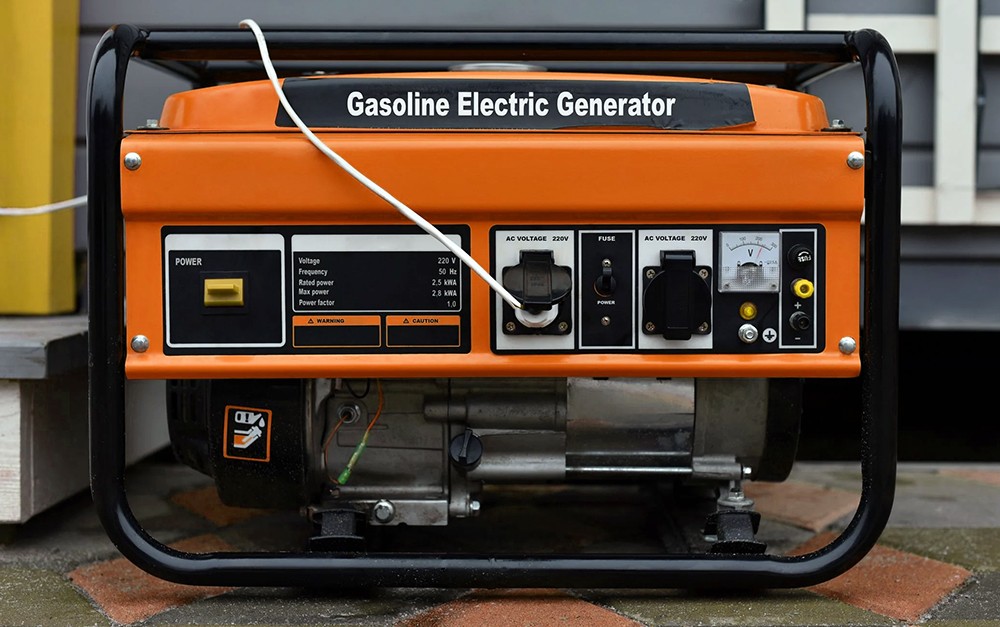
What Does Starting Watts Mean On A Generator

Alright folks, gather 'round! Ever been plunged into darkness during a power outage? Or dreamed of tailgating with all the comforts of home? Then you, my friend, need to understand the wonderful world of generators! And a key player in that world? Starting watts! Don't worry, it's not as intimidating as it sounds. We're gonna break it down, make it fun, and by the end, you'll be a generator guru. (Okay, maybe not a guru, but definitely more informed!)
So, what exactly are we talking about? Starting watts (also sometimes called surge watts) are the peak power a generator can dish out for a very, very short burst. Think of it like a sprinter – they can only maintain their top speed for a few seconds, right? Generators are similar!
Why is this important? Well, many appliances and tools, especially those with motors, need a big jolt of power to get going. They need that initial oomph to overcome inertia and start spinning. That's the starting wattage. And guess what? It's usually much higher than the running wattage. Don't you love technicalities?
Must Read
Decoding the Wattage Mystery
Let's say you want to run your refrigerator. A typical fridge might run on around 150 watts (that's the continuous power it needs to keep chilling). But when the compressor kicks on? BAM! It could briefly demand 600-700 watts to start. That's its starting wattage at play.
See? If you only look at the running wattage of your fridge and buy a generator that can only supply 200 watts, you're gonna have a bad time. A very, very warm, melted-ice-cream kind of bad time. You need to make sure your generator can handle that initial surge!
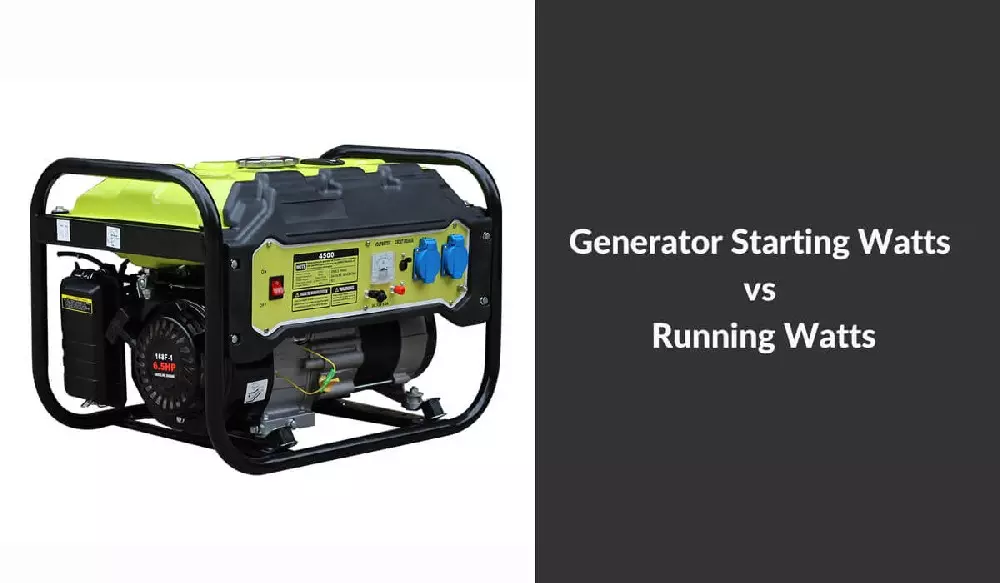
The key takeaway here is this: You need to choose a generator with a starting wattage rating that's high enough to handle the appliance with the highest starting wattage you plan to use at the same time. Let me repeat that for emphasis, that's important: at the same time!
Thinking of running your fridge (700 starting watts), a small window AC (1500 starting watts), and a coffee maker (1000 starting watts) simultaneously during a power outage? Add those all up! In this case that is 3200 starting watts. You need a generator with a starting wattage of at least 3200 watts to handle that initial power draw. Got it? Good!
Running vs. Starting Watts: A Quick Recap
Just to nail it down, let's make sure we're all on the same page.

- Running Watts: The continuous power the generator provides. This is how much power the appliance needs to keep running after it's started.
- Starting Watts: The extra power a generator needs to provide for a short period to start an appliance with a motor.
Think of it like this: Running watts are like cruising speed, while starting watts are like accelerating from a stop. You need both! (Although hopefully you’re not cruising in your car at the same speed you accelerate – safety first, kids!).
Why Knowing This Makes Life More Awesome
Okay, I know what you're thinking: "All this wattage talk is making my head spin!" But trust me, understanding starting watts empowers you.
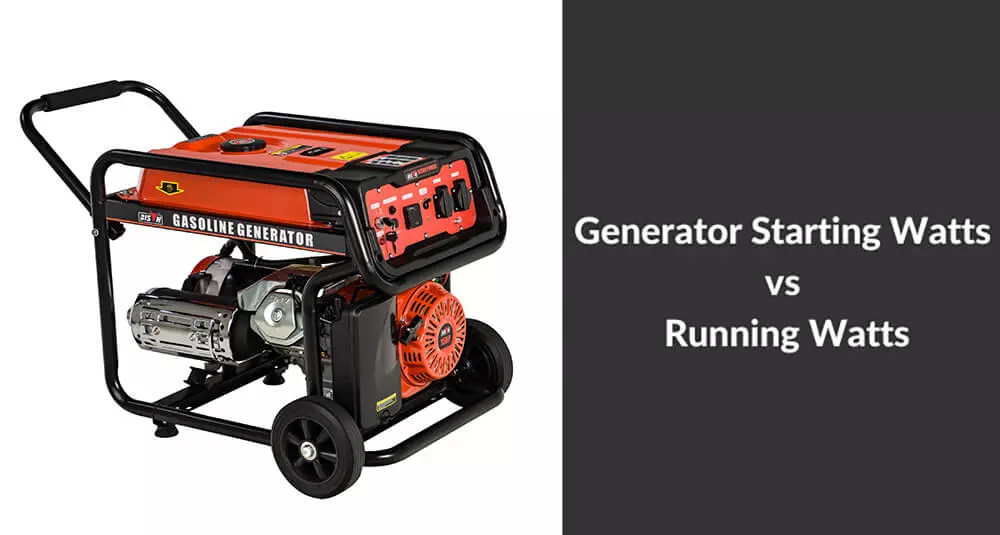
- No More Unexpected Shutdowns: You won't be left scratching your head when your generator shuts down because it's overloaded. Knowing the starting watt requirements of your appliances helps prevent frustration (and wasted food!).
- Tailgating Triumph: Want to power that big-screen TV, portable grill, and blender for margaritas at the big game? Understanding starting watts is the key to creating the ultimate tailgating setup.
- Construction Site Champion: Contractors, rejoice! Knowing the starting watt demands of your power tools (drills, saws, compressors) will allow you to choose the right generator to keep your job site running smoothly and efficiently. No more tripping breakers and delayed projects!
Basically, understanding starting watts unlocks a world of possibilities. It allows you to confidently choose the right generator for your needs, whether it's for emergency backup power, recreational activities, or professional use. You'll be the envy of the neighborhood, the MVP of the tailgate, and the productivity master on the job site!
Don't Stop Now!
The world of generators is vast and fascinating! There are inverter generators, portable power stations, dual-fuel generators… the list goes on! But armed with your newfound knowledge of starting watts, you're well on your way to becoming a power pro.
So, go forth! Research different generator models, compare their running and starting wattages, and find the perfect power solution for your life. You've got this! And remember, a little bit of knowledge can go a long way in making your life easier, more fun, and a whole lot brighter (literally!).