
What Does Set Hold And Run Mean On Thermostat

Let's talk thermostats. Those little digital dictators on our walls. They control our climate, our comfort, and sometimes, seemingly, our sanity. We've all stared blankly at them, haven't we? Trying to decipher the cryptic symbols and the ever-changing numbers. And then there are the words. Oh, the words. Today, we're diving into three very important ones: Set, Hold, and Run.
Set: The Dreamer
Set. Ah, the land of potential. It’s where you tell your thermostat what you want it to do. "I decree," you might say, adjusting the temperature, "that from 6 AM to 8 AM, it shall be a balmy 72 degrees! And then, from 8 AM to 5 PM, while I'm pretending to be productive at work, a thrifty 68 degrees!"
Set is optimistic. It's hopeful. It believes in schedules and routines. It's the thermostat's way of saying, "I trust you to plan your day. I will execute your plan flawlessly!" (Spoiler alert: it often doesn’t. But more on that later.) Think of Set as the architect of your thermal comfort. A visionary. A dreamer who believes in a perfectly temperature-controlled world. Some might call it naive. I call it adorable.
Must Read
Here's my unpopular opinion: Set is sometimes a lie. We all know life rarely goes according to plan. That 6 AM to 8 AM "balmy 72 degrees" might become 6:30 AM because you snoozed. And suddenly, the carefully crafted schedule is already crumbling. Set is like a New Year's resolution for your thermostat. Good intentions, questionable execution.
Hold: The Rebel
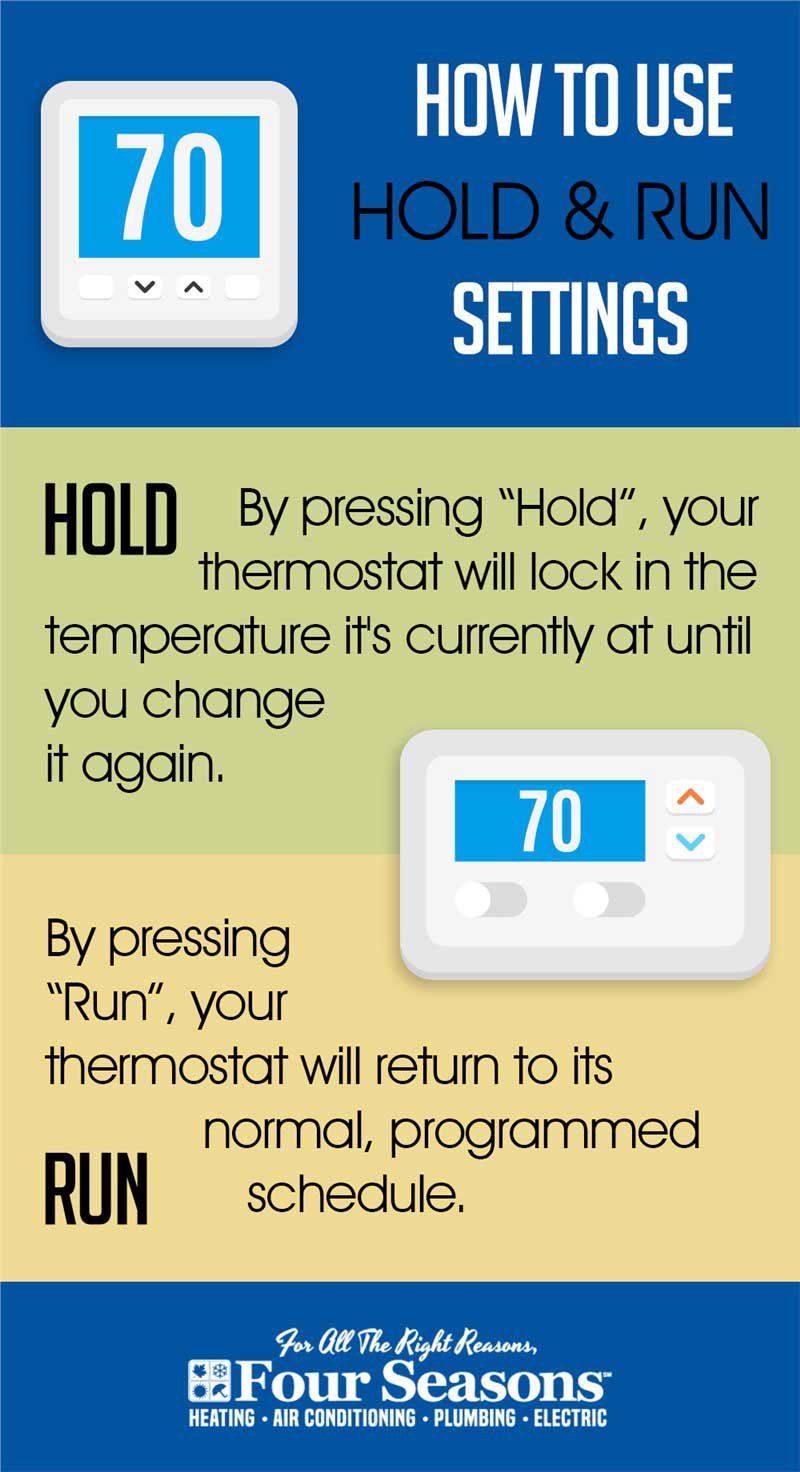
Now we have Hold. The anti-Set. The rebel without a cause (except maybe the cause of consistent temperature, regardless of what you planned). Hold is the ultimate "I do what I want" setting. You tell it a temperature, and it sticks to it like glue, ignoring your carefully programmed schedule. "70 degrees? Okay, buddy. 70 degrees FOREVER."
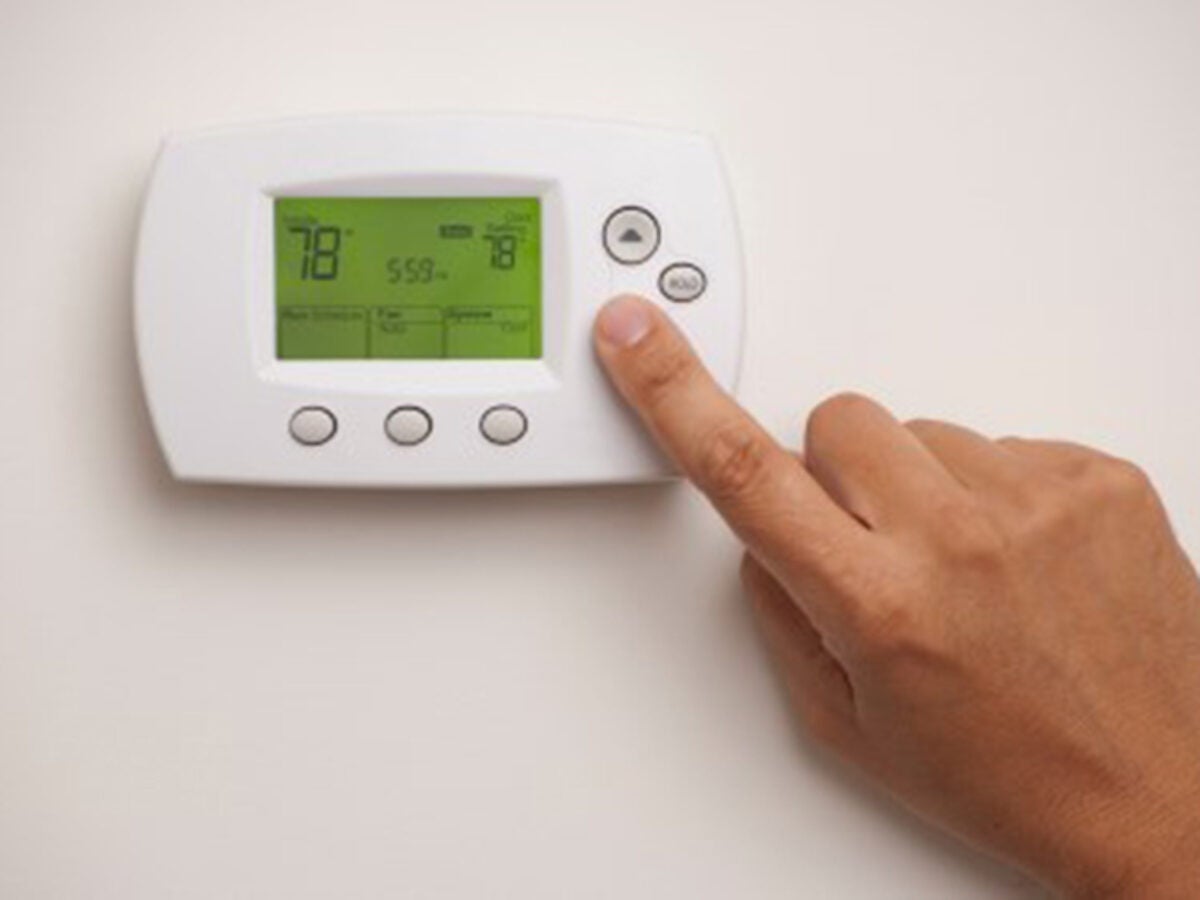
Hold is for those days when schedules are thrown out the window. A snow day. A sick day. A "Netflix and pajamas all day" kind of day. It's for when you need thermal stability. No surprises. No unexpected temperature shifts based on some pre-determined timeline. Hold is comfort food for your thermostat. Predictable and satisfying.
And here's my other unpopular opinion: I kinda love Hold. Okay, maybe I really love Hold. Sure, it's energy inefficient. But isn't a little bit of selfish comfort worth it? I mean, come on. Life is hard enough. Let me have my consistently warm (or cool) house, even if it means slightly higher utility bills. Judge me.
Run: The Follower
Finally, we arrive at Run. This one is pretty straightforward. Run simply means "I'm following the schedule you set, boss." It’s the obedient little soldier. It does what it's told (mostly). Run is for the organized. The disciplined. The people who actually stick to their routines.
If you are the type of person that goes to bed at 10PM every night and wakes up at 6AM exactly, Run is perfect for you. If you're anything like the rest of us, it's more like Run is the aspiration, not the reality. I suspect that most people set their thermostat to Run and then promptly forget about it, only to be surprised when the house is either freezing or sweltering at unexpected times. We just assume the little guy's doing his job.
My final, and perhaps most controversial, unpopular opinion: Run is overrated. It promises efficiency, but it often delivers mild discomfort and confusion. I mean, how many times have you walked into your house and thought, "Why is it so cold? Oh, right. The thermostat is Running on the 'save energy while nobody's home' program." Thanks, Run. Appreciate the commitment to saving the planet, but maybe consider my personal comfort too?
So, there you have it. Set, Hold, and Run. The three faces of your thermostat. Each with its own personality, its own strengths, and its own (sometimes infuriating) quirks. Now go forth and conquer your thermostat. Or, you know, just set it to Hold and binge-watch something. I won't judge.
