
What Does Reversing A Fan Do

Okay, picture this. It’s a sweltering summer day, the kind where the air conditioning just can’t keep up, or maybe you don’t even have it (solidarity, my friend). You’re melting. You’ve got a trusty old box fan, whirring away, pushing that warm air around, doing its best. But then, a thought, a revolutionary idea, sparks in your heat-addled brain:
“What if… what if I just… reversed the fan?”
You’re not alone. We’ve all been there, standing in front of a fan, squinting, trying to mentally will the blades to spin the other way, convinced it’ll magically suck all the hot air out of the room like some kind of portal to an arctic wonderland. Or maybe, just maybe, you’ve actually tried it. So, what happens then, huh? Let’s dive into the wonderfully weird world of fan reversal, because it’s not as simple as flipping a switch for most of them, trust me on this one.
Must Read
The Basic Fan Blueprint: It's All About Direction
Most fans, the everyday heroes pushing air around your bedroom or workshop, are designed for one thing: pushing. Think about it. The blades aren't just flat paddles. They’re usually curved, angled, and shaped in a very specific way – like mini airplane wings, if you will. This aerodynamic design creates a low-pressure area on one side and a high-pressure area on the other, efficiently moving a significant volume of air in a predetermined direction.
So, when you consider reversing a fan, you’re essentially asking those carefully crafted blades to do the opposite of what they were born to do. It’s like asking a fish to climb a tree; it might try, but it won't be pretty, and it certainly won't be efficient.
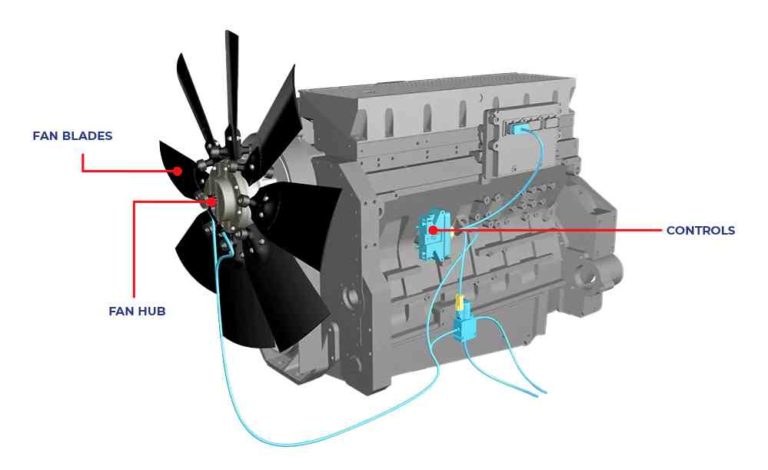
When You Try to Reverse a "Push-Only" Fan
Let's take your average pedestal fan or box fan. If you could magically make the motor spin backwards (which, by the way, most standard AC fan motors are NOT designed to do easily without some rewiring or a special switch), what would happen?
Well, you wouldn't get a powerful "pull" of air. Instead, those blades, now spinning in reverse, would mostly just… stir the air. You'd get a weak, turbulent flow, barely noticeable, certainly not the mighty exhaust you might be dreaming of. It would be highly inefficient, making a lot of noise for very little actual air movement. The fan would be working against its own design, like trying to row a boat with the paddle facing the wrong way. You’d probably just feel a bit silly, and still hot. Maybe even hotter if you’re pulling air from a hotter area, but let's not get into that existential dread just yet.
The Exception to the Rule: The Mighty Ceiling Fan!
Ah, but here’s where things get interesting, my friend! Not all fans are created equal. The ceiling fan, that often-overlooked hero hanging above you, is a glorious exception to this "one-direction" rule. Many, if not most, modern ceiling fans come with a little switch on the motor housing (sometimes a remote control button) specifically for reversing their direction.

And for good reason! This isn't just a gimmick; it's a brilliant bit of engineering that leverages the physics of air movement to your advantage:
Summer Mode (Standard): The blades spin counter-clockwise (when looking up at them), pushing air down. This creates a refreshing downdraft, making you feel cooler through evaporative cooling on your skin. It’s not actually lowering the room temperature, but it makes you feel cooler. Think of it as your personal wind machine.

What Does Reversing a Ceiling Fan Do? | Benefits, Tips, and Energy Winter Mode (Reversed): Flip that switch, and the blades now spin clockwise, pulling air up towards the ceiling. Why would you want this? Because heat rises, right? In winter, warm air gets trapped near the ceiling. By pulling it up, the fan gently pushes the cooler air near the floor upwards, displacing the warm air and pushing it back down the walls, effectively recirculating the heat throughout the room. It’s subtle, but it can make a surprising difference in how cozy you feel without cranking up the thermostat.
So, you see? Reversing a ceiling fan is not only possible but highly recommended for optimizing comfort year-round. It's a prime example of a fan designed for efficient bidirectional airflow, even if the blades themselves still have a specific angle.
Other Types: Exhaust Fans and Computer Fans
What about other fan types? Exhaust fans (think bathroom or kitchen fans) are generally designed to pull air out of a space. While some industrial or specialized exhaust fans might have reversible motors for specific ventilation needs, your typical home exhaust fan is a one-way street. Trying to reverse it would likely just create a weak, inefficient blow into the room, rather than a powerful pull.

And computer fans? Forget about it. Those tiny powerhouses are precisely engineered for specific airflow patterns within a PC case to keep components cool. Reversing them would likely just mess up the internal airflow, creating hot spots and potentially harming your precious gaming rig or work machine. Don't do it!
The Verdict: Curiosity Satisfied?
So, what does reversing a fan do? For most everyday fans, it largely makes it an inefficient, air-stirring novelty. It won’t effectively cool or heat a room in reverse because their blades aren't shaped for it. But for the clever ceiling fan, it's a brilliant feature that transforms it into a year-round climate helper.
Next time you're sweating bullets or shivering indoors, remember the magic (or lack thereof) of fan reversal. And maybe, just maybe, give that ceiling fan a little nod of appreciation for its clever dual-purpose design. Who knew fan blades could be so deep, right?