What Does Recirculation Mean On A Pool Pump
Ever wondered what all those settings on your pool pump actually do? Pool ownership can feel like deciphering a foreign language at times, especially when you're confronted with terms like "recirculation." But fear not, fellow pool enthusiast! Understanding what recirculation means on your pool pump isn't just about sounding smart at your next pool party; it's about keeping your pool sparkling clean, saving energy, and extending the life of your equipment. It's also surprisingly interesting! Let's dive in (pun intended!) and explore this often-overlooked feature.
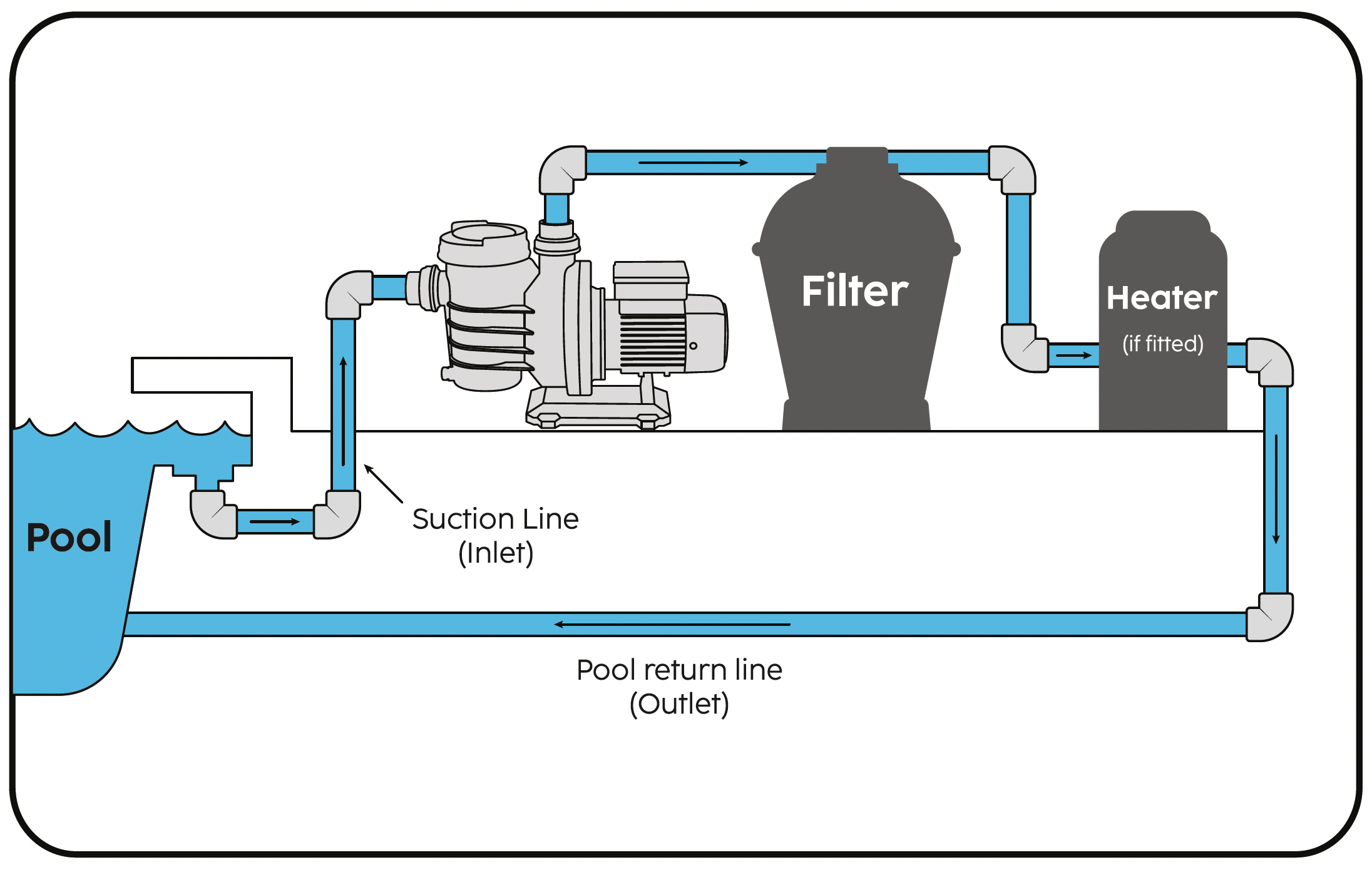
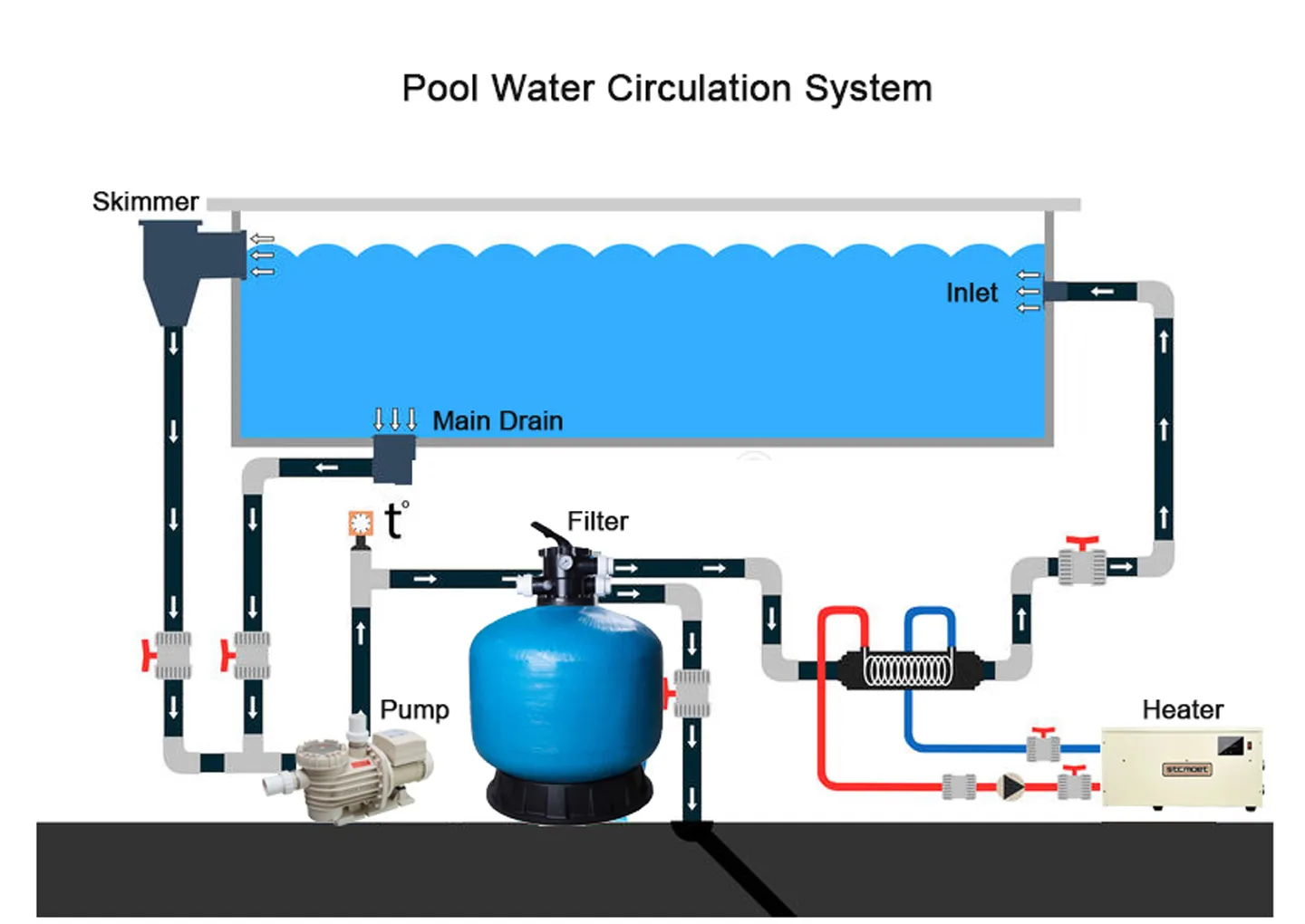
At its core, recirculation (sometimes called "recirculate" or "closed loop") refers to a specific function of your pool pump where water is moved around the pool system without passing through the filter. Think of it like this: normally, your pool pump sucks water in, sends it through the filter to remove debris and contaminants, and then pushes the clean water back into the pool. Recirculation bypasses the filter altogether. The pump simply moves the water around in a continuous loop.
So, why would you want to skip the filter? That's a great question! There are several key benefits to using the recirculation setting. One of the most common uses is for chemical balancing. When you add chemicals to your pool, such as chlorine, algaecide, or pH adjusters, you want to ensure they're evenly distributed throughout the water. Running your pump on recirculation helps to quickly and efficiently mix these chemicals, ensuring that the entire pool receives the treatment. This is especially useful after shocking your pool, guaranteeing that the high dose of chlorine reaches every nook and cranny.
Must Read
Another benefit is preventing freezing in colder climates. If you live in an area where temperatures drop below freezing, running your pump on recirculation (for short periods) can help prevent pipes from freezing and bursting. While it doesn't warm the water, the constant movement prevents ice from forming and potentially damaging your plumbing. Always consult with a pool professional for specific winterizing advice relevant to your local climate.
Think of it like stirring a cup of coffee. If you add sugar and just let it sit, it will take a long time to dissolve and mix evenly. But if you stir it, the sugar dissolves much faster and the coffee becomes uniformly sweet. Recirculation does the same thing for your pool water, only on a much larger scale.
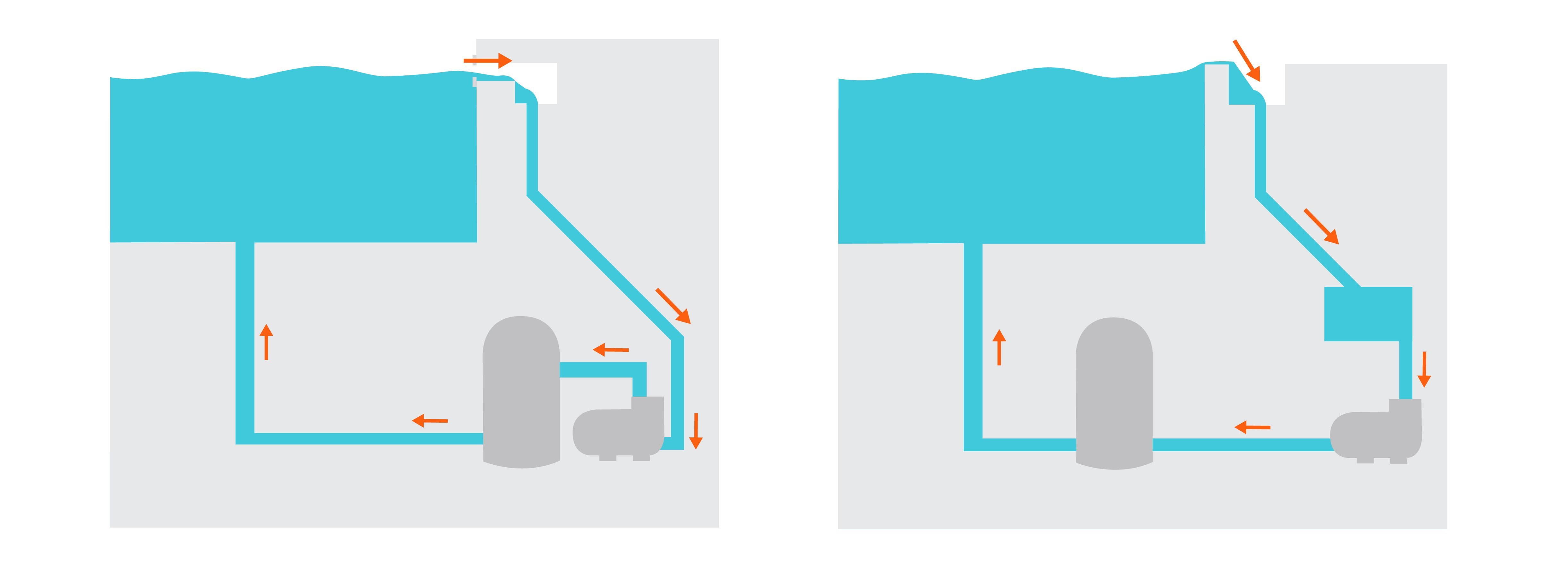
Beyond pool maintenance, the principle of recirculation pops up in other areas too! Aquariums, for example, often use recirculating systems to maintain water quality for the fish and plants. Even some hydroponic gardening systems rely on recirculation to deliver nutrients to the plant roots. The core concept remains the same: moving fluid in a closed loop to achieve a specific goal.
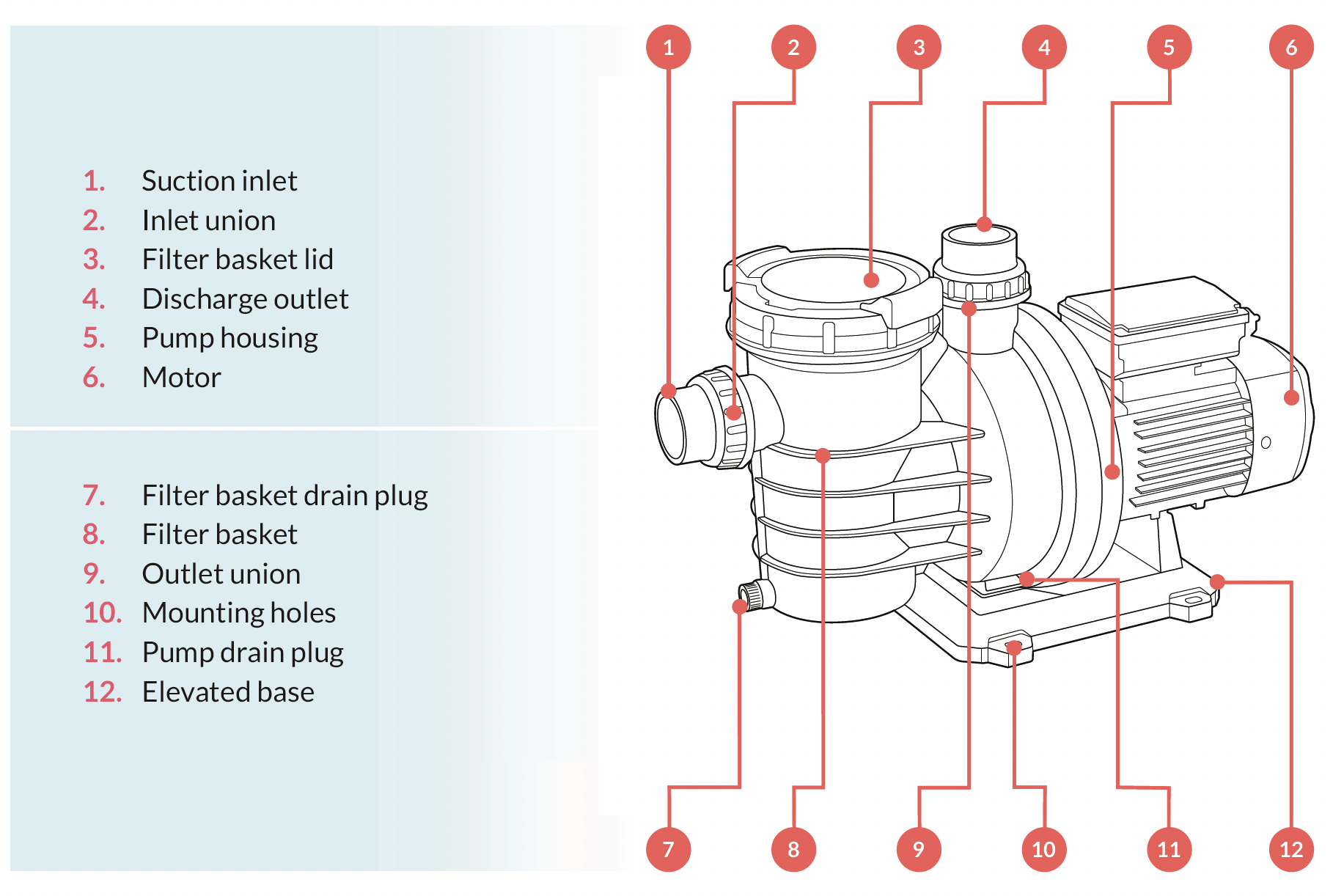
Want to explore recirculation on your own pool? Start by carefully reading your pool pump's manual! This will provide specific instructions on how to engage the recirculation setting on your particular model. Experiment with running it for short periods after adding chemicals and observe how quickly the water chemistry stabilizes. Pay attention to any changes in water clarity. Just remember, recirculation should not be used as a substitute for regular filtration. It's a supplemental tool to help you maintain a healthy and enjoyable pool.