What Does It Mean When My Battery Light Comes On

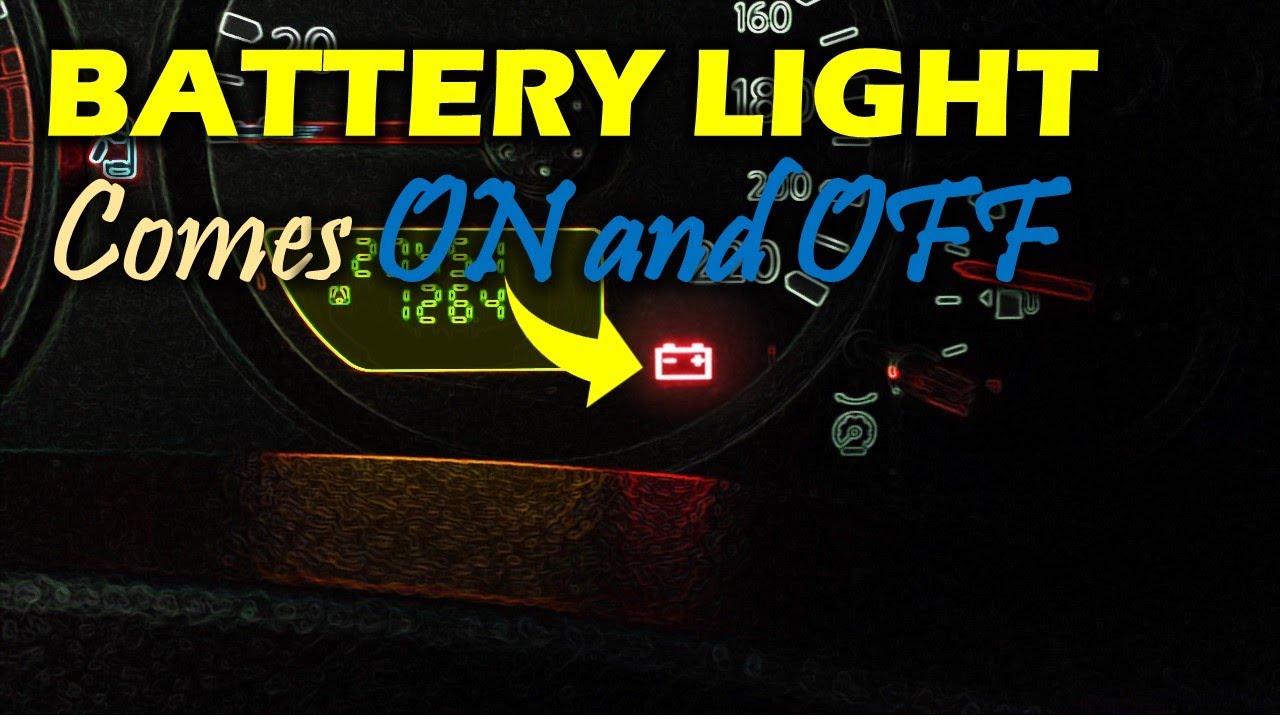
Ever been cruising down the road, maybe singing along to your favorite tune, when suddenly, a little red light shaped like a battery winks at you from your dashboard? For many, it's a moment of mild panic, a quickening of the pulse. But what if we told you that this little light isn't just a harbinger of doom, but actually your car's way of giving you a friendly, albeit urgent, heads-up? Learning what this signal truly means isn't just about avoiding a roadside breakdown; it’s about becoming a more informed, confident, and ultimately, a safer driver. It’s like cracking a secret code your car is trying to share with you, and that, we think, is pretty fun to uncover!
The primary purpose of your battery light isn't to tell you your battery is dead – that usually happens when you try to start the car and hear a sad clicking sound. Instead, it’s a crucial indicator that your car’s charging system is experiencing an issue. Think of your car’s electrical system as a team: the battery is the starting pitcher, getting the engine going. But the real workhorse, the one that keeps everything powered once you’re driving, is the alternator. The alternator recharges the battery and powers all your car’s electrical components – lights, radio, wipers, air conditioning – while the engine is running. When the battery light comes on, it’s almost always signaling that the alternator isn't doing its job effectively, or that something related to its operation, like the serpentine belt that drives it, is failing. The immediate benefit of this warning is immense: it gives you time to react before your car completely loses electrical power, potentially leaving you stranded in an inconvenient or even dangerous spot.
In daily life, understanding this warning can be a real game-changer. Imagine you're on a long road trip, miles from the next town. If that battery light flickers on, instead of panicking, you now know it's not necessarily an instant stop. You can start to strategize: turn off non-essential electronics like the radio, A/C, or heated seats to conserve power, and make a beeline for the nearest mechanic or safe stopping point. In an educational context, learning about the charging system is a fundamental lesson in automotive literacy. It demystifies a core function of your vehicle, empowering new drivers especially, to understand that cars aren't just black boxes, but intricate systems that communicate their needs. It’s a foundational piece of knowledge that helps you interact more intelligently with your vehicle and your mechanic.
Must Read
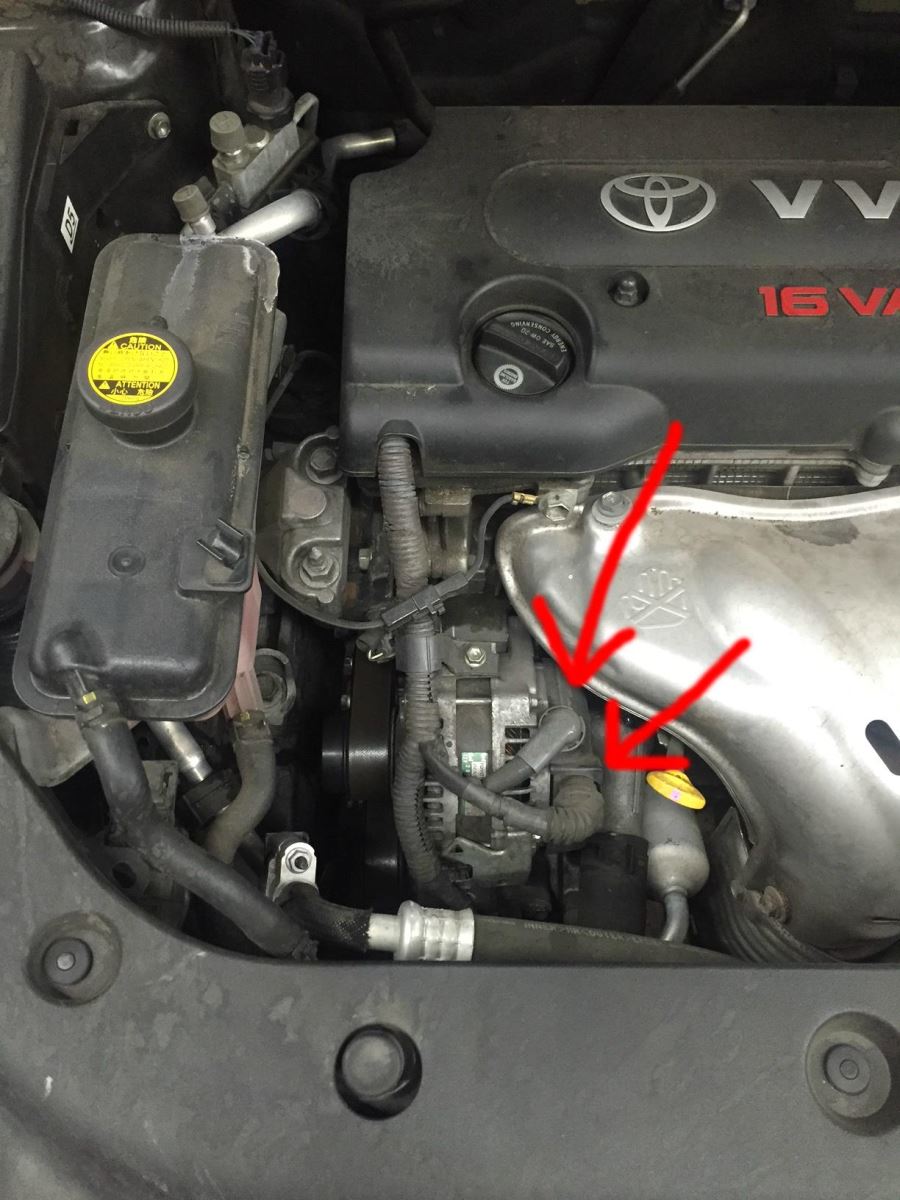
So, how can you explore this further or apply this knowledge practically? First and foremost, never ignore the battery light. If it illuminates while driving, your immediate action should be to safely reduce electrical load and head directly to a trusted mechanic. They can test your charging system to diagnose the specific issue. For a simple exploration, when your car is off and cool, pop the hood! Locate your car battery – it's usually a large rectangular box. Then, try to spot the alternator, which is typically a cylindrical component driven by a belt, often on the side of the engine. Observe the serpentine belt that snakes around various pulleys; this belt is vital for the alternator’s function. Familiarizing yourself with these components, even just visually, can make future conversations with mechanics much clearer. Your owner's manual is also an excellent resource for understanding your car’s specific warning lights. A little curiosity about your car’s signals can go a long way in ensuring smoother, safer journeys.