
What Does It Mean To Use A Resource Sustainably
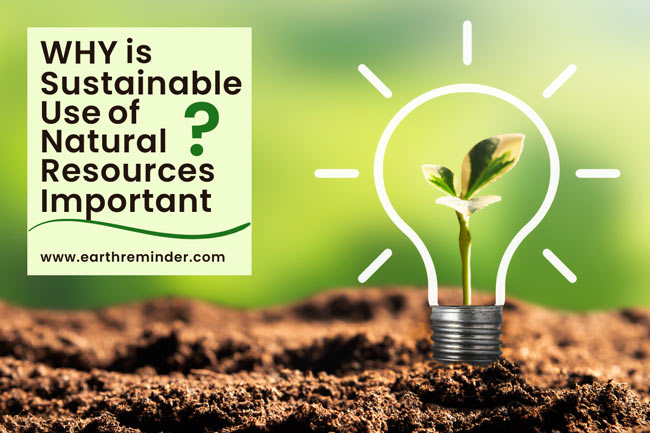
Okay, picture this: My Aunt Carol. Bless her heart. She loves her orchids. Absolutely adores them. But for years, they were, shall we say, not thriving? Brown leaves, no blooms, the whole shebang. Then she started reading up on orchid care, learning about their specific needs – the right type of soil (or, well, bark, technically), the perfect amount of light, watering only when they really needed it. Boom! Suddenly, her orchids are bursting with color. It was like a floral miracle! And honestly, it got me thinking... that's kinda what sustainable resource use is all about, isn't it?
We’re talking about understanding what our "resources" – be it water, forests, minerals, even the soil itself – actually need to continue providing for us, without, you know, running out or becoming completely unusable.
So, What Does "Sustainable Resource Use" Really Mean?
At its core, sustainable resource use means using resources in a way that meets the needs of the present without compromising the ability of future generations to meet their own needs. Deep, right? It's basically a fancy way of saying: don't be a resource hog!
Must Read
Think of it like this: Imagine you have a giant jar of cookies. (Who doesn't love cookies, right?). You could devour the whole thing in one sitting (tempting, I know!). But then, uh oh, no more cookies. If you only eat a few each day, that cookie jar will last much, much longer. Sustainable resource use is about eating those cookies responsibly, ensuring there are cookies for tomorrow, and next week, and even for your hypothetical grandchildren!
But it's more than just rationing. It's also about being smart about how we use things. It includes:
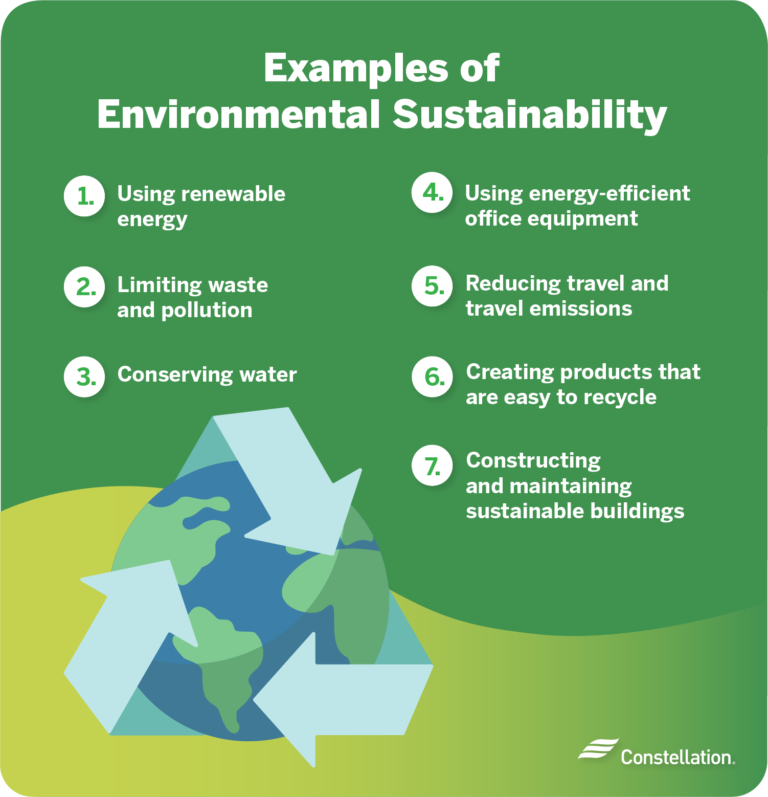
- Efficiency: Getting the most out of each resource. Less waste, more output. Think LED lightbulbs vs. the old incandescent ones.
- Renewability: Relying on resources that can replenish themselves naturally, like solar energy or sustainably managed forests. (Spoiler alert: oil is not renewable).
- Minimizing Impact: Reducing the negative environmental effects of resource extraction and use. This includes things like pollution, habitat destruction, and climate change. We gotta protect our planet!
- Equity: Making sure everyone has fair access to resources, not just a privileged few. This is a big one.
Why Bother? (The Obvious, But Still Important, Part)
Okay, so sustainability sounds all nice and fuzzy, but why should we actually care? Well, here’s the kicker: because our very survival depends on it! Pretty dramatic, I know, but it’s true.
If we deplete our resources or wreck the environment, we’re basically shooting ourselves in the foot. We’ll run out of essential things like clean water, fertile soil, and breathable air. And nobody wants that. Seriously, imagine a world without chocolate...or coffee!
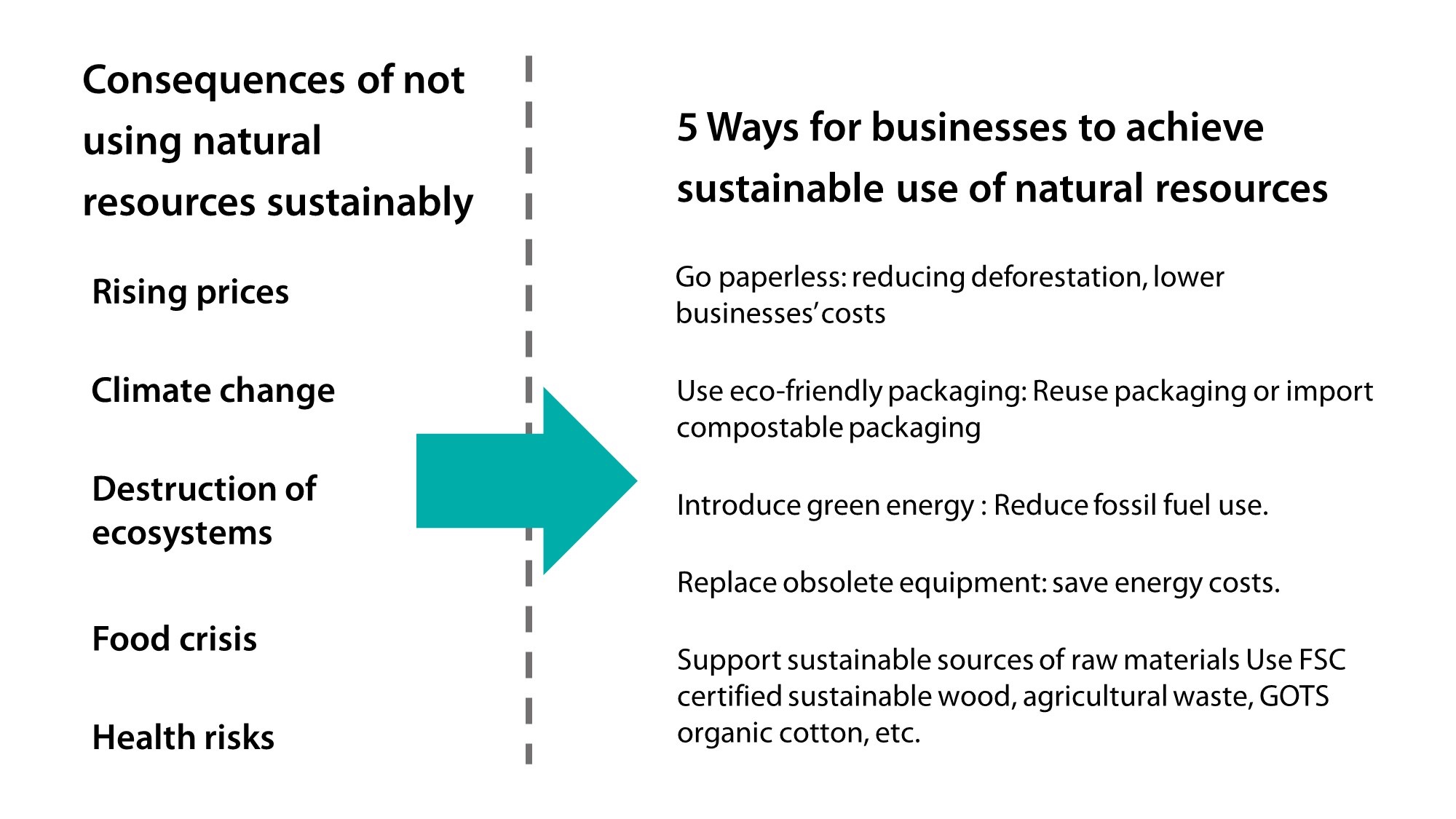
Beyond survival, sustainable resource use also leads to:
- A healthier environment: Cleaner air, cleaner water, thriving ecosystems.
- A stronger economy: Resource efficiency can save money and create new jobs in green industries.
- A more just society: Ensuring everyone has access to the resources they need to thrive.
What Can You Do? (Yes, You!)
Okay, you might be thinking, "This all sounds good, but I'm just one person. What can I possibly do?" The answer is: more than you think!

Small changes in your daily life can make a big difference. For example:
- Reduce, Reuse, Recycle: The classics! But really, they work.
- Conserve Water and Energy: Shorter showers, turning off lights, unplugging electronics.
- Support Sustainable Businesses: Buy products from companies that are committed to environmental responsibility. Do a little research - it's worth it!
- Eat Local and Seasonal Food: Reduces transportation emissions and supports local farmers. Plus, it tastes better!
- Advocate for Change: Let your voice be heard! Support policies that promote sustainable resource use.
Look, sustainable resource use isn’t about making huge, drastic sacrifices. It’s about making conscious choices and being mindful of the impact our actions have on the world around us. Just like Aunt Carol and her orchids, it’s about learning what our resources need and giving them the care they deserve. Because, frankly, we need them too.
So, let's all try to be a little bit more sustainable, one cookie at a time.
