What Does Hard Water Taste Like

Alright, spill the tea – or rather, drink the water. Have you ever noticed that sometimes, water just... isn't water? Like, it has a whole personality of its own, and not always the bubbly, fun kind? We're diving into the curious case of what hard water actually tastes like. Because let's be honest, we've all been there, taking a big gulp only to be met with something a little... unexpected.
First, What Even Is "Normal" Water?
Think about it. What should water taste like? Ideally, it should be, well, nothing. It's supposed to be crisp, clean, refreshing, and utterly devoid of flavor. It's the ultimate palate cleanser, the silent hero of hydration. You drink it, you feel refreshed, and you move on. No drama, no fuss. That's the dream, right? But then, you travel, or you move, or you just turn on a different tap, and suddenly, your water has a backstory.
That's where hard water enters the chat, strutting in like it owns the place. It's basically water that's picked up a few extra souvenirs on its journey through the ground – tiny bits of minerals like calcium and magnesium. Think of them as tiny, microscopic hitchhikers. The more hitchhikers, the "harder" the water. Simple as that! No need for a chemistry degree here, thank goodness. (Though, mad respect if you have one!)
Must Read
So, What's the Vibe? The Taste Test!
Okay, so you've got these little mineral buddies floating around. What does that do to the taste? Well, it's rarely a "bad" taste in the rotten-milk sense. It's more... different. The most common descriptors you'll hear are things like "mineral-y," "earthy," or even "chalky." Imagine taking a sip and instead of that clean, weightless feeling, you get a slight sense of something coating your tongue.
Ever accidentally licked a rock? Or perhaps a very clean, old penny? (Come on, admit it, we've all been kids!) That faint metallic tang? Yep, that can be hard water. It's like your water has developed a slight attitude, a whisper of a taste that just wasn't invited to the party. It lacks that pure, neutral backdrop we usually crave from a good glass of H2O. It’s got body, but not the good kind you want in wine; more like the unexpected kind in your drinking water.

The Subtle Nuances: Not All Hard Water is Created Equal
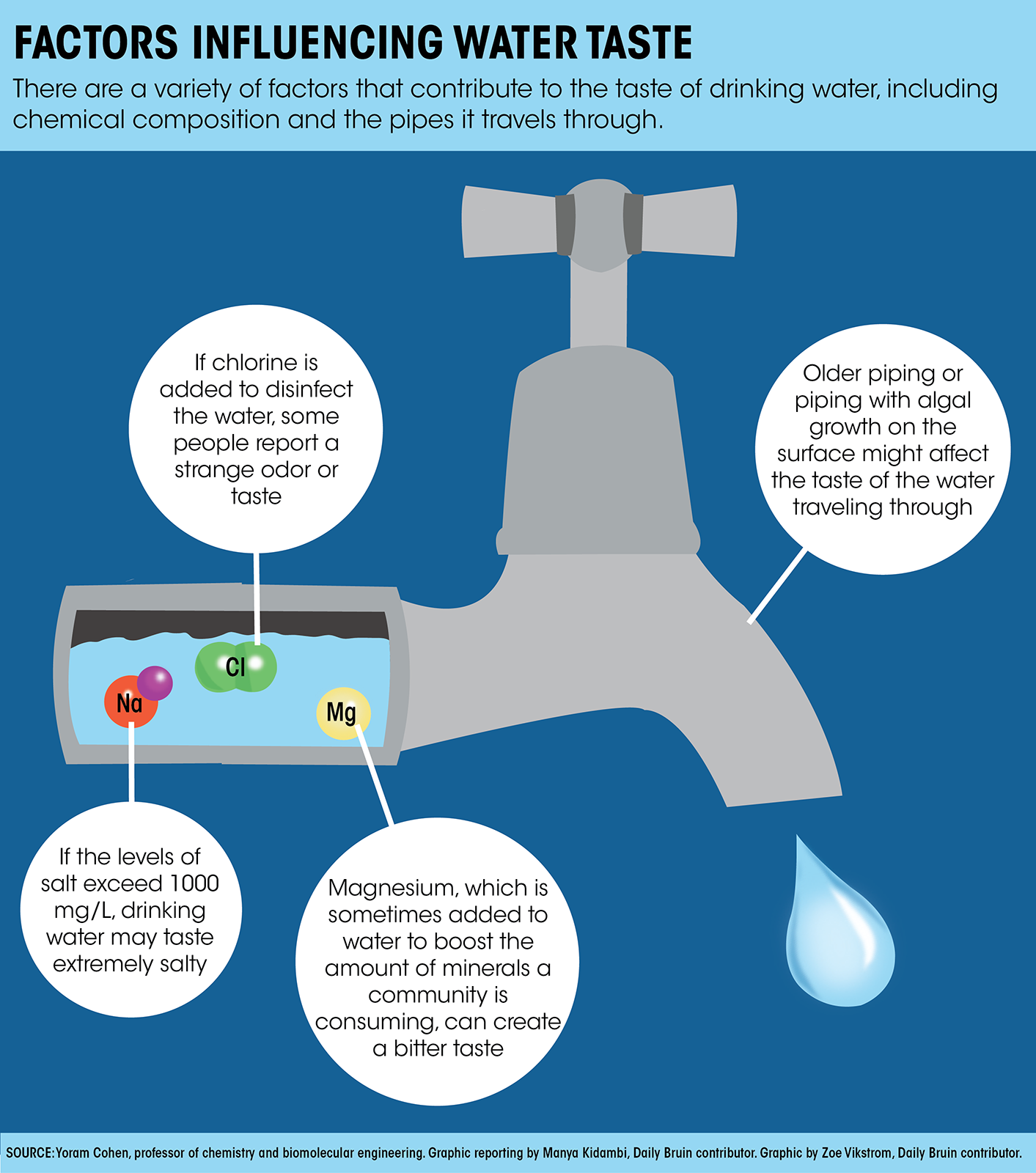
Here's where it gets interesting: the specific taste can actually vary quite a bit depending on which minerals are most prevalent in your local water supply. If it's heavy on the calcium, you might get more of that chalky, almost powdery sensation. Magnesium? That can lend a slightly bitter or even metallic note. It’s like a regional accent for water! You might go from one town to the next and think, "Huh, this water feels... heavier."
It's less about a strong, identifiable flavor and more about a lack of crispness. You know that feeling when you bite into a really fresh apple? Hard water is the opposite of that. It doesn't offer that satisfying "zing." Instead, it can feel a bit flat, maybe even a little dull on the palate. You don't get that clean, refreshing finish you expect. It just sort of... is.

Beyond the Sip: How it Messes with Everything Else
And it's not just about drinking it straight! Hard water is a notorious party pooper for your hot beverages. Ever notice your coffee tasting a bit off, even with your favorite beans? Or your tea just not brewing up as bright and flavorful? That's hard water getting in the way, my friend. The minerals can react with the compounds in coffee and tea, actually changing the flavor profile. Your lovely morning brew suddenly has a side of... mineral-infused disappointment. (Okay, maybe a slight exaggeration, but you get the idea!)
It can make your morning brew taste a bit muted, less vibrant, almost like it's holding something back. It’s like the water itself is saying, "No, you can't have all the delicious coffee flavor. I'm taking some for myself!" And don't even get me started on boiling pasta – the water chemistry matters there too, apparently! Who knew our humble tap water was such a complex character?

The Upshot: Is It Bad For You?
Before you panic and start buying bottled water in bulk, most hard water is perfectly safe to drink. In fact, some people even say those extra minerals are good for you! Think of it as a bonus dose of calcium and magnesium. So, while it might not win any awards for "Most Delicious Water Taste," it's generally not going to harm you. Your taste buds might raise an eyebrow, but your body is usually fine with it.
Ultimately, tasting hard water is an experience. It makes you appreciate those moments when you get a truly soft, clean, and flavorless glass of water. It reminds you that even something as fundamental as water can have a distinct personality. So next time you take a sip and taste something a little "extra," you'll know what's up. It's just your water saying, "Hey, I've got character!" And honestly, isn't life more interesting with a little character?