
What Does Comet Look Like In Sky
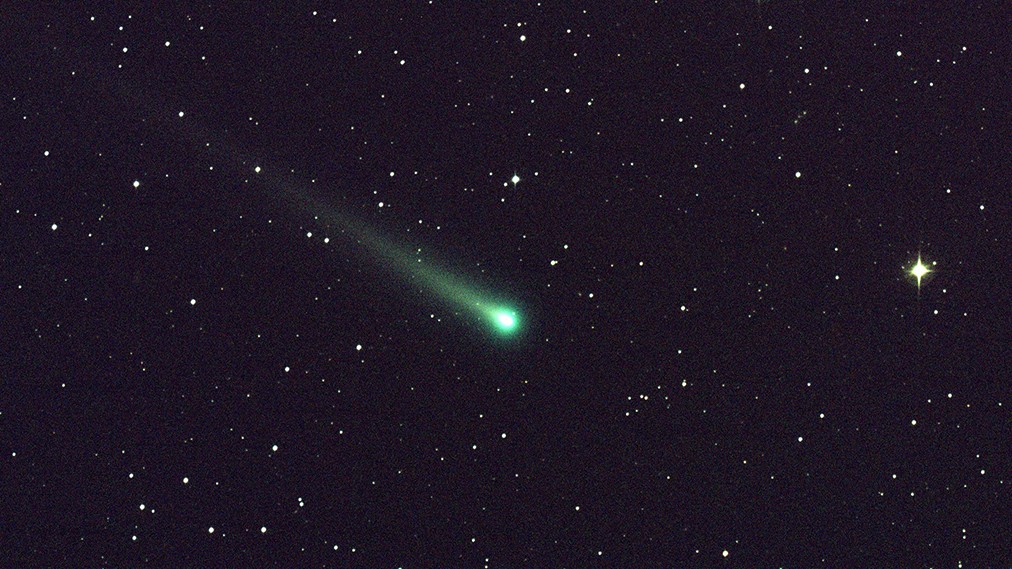
When you hear the word comet, what immediately springs to mind? You probably envision a breathtaking spectacle, right? A dazzling, fiery streak hurtling across the inky blackness of space.
You picture a magnificent, glowing head, followed by a long, ethereal tail, sparkling like a trail of cosmic glitter. It’s an epic sight, something plucked straight from a fantasy novel or a grand Hollywood blockbuster.
Well, let's just have a friendly, little chat about that romanticized image. Because, and this might be my slightly unpopular opinion, most comets are not quite the dramatic showstoppers you might imagine. In fact, many are a bit… well, understated.
Must Read
Put away those blockbuster expectations for a moment. For the average person gazing up at the night sky, a comet often looks like… not much at all, really. It’s usually a humble, almost shy visitor.
Imagine you're trying to spot a very distant, faint star. Now, picture someone gently smudging that star with a slightly greasy thumb. That blurry, indistinct glow is often much closer to the truth for many of these icy wanderers.
It’s typically a tiny, fuzzy patch of light. A subtle glow, barely discernible from the background of countless stars. It doesn't scream for attention; it modestly whispers.
Sometimes, if you're particularly lucky, it might resemble a faint cotton ball. A very, very distant, slightly dingy cotton ball, perhaps caught on an invisible branch high above.
You might even find yourself second-guessing what you're seeing. Is that a blurry spot on your glasses? Or perhaps a smidgen of dirt on your binoculars lens? Is your vision failing you?
No, dear stargazing friend, it's probably just our humble cosmic visitor. It’s doing its very best, given its immense distance and often modest size. It’s just not quite ready for its close-up.
Think about that exciting news report you heard. "A spectacular comet is coming into view!" Your heart probably fluttered with anticipation. You might have grabbed your warmest coat, full of hopeful wonder.
You lift your eyes to the vast canvas above, maybe even pulling out those trusty old binoculars or your small telescope. You dutifully scan the prescribed patch of the night sky, your heart beating a little faster.
Finally, after a few minutes of patient searching, you spot something. And then... there's that quiet, almost imperceptible moment of internal deflation. A small sigh escapes your lips.
"Is... that it?" you might whisper to yourself. That faint, almost invisible smudge? That’s the great comet they were raving about?
This exact moment of mild disappointment is a common experience, trust me. Many of us have been there, squinting hard, hoping for just a little more cosmic pizzazz. It’s like expecting a rock concert and getting a gentle acoustic set.
It's truly not the comet’s fault, bless its icy, dusty heart. The primary reason for their often-faint appearance is their incredible distance from us. They are, quite literally, worlds away.
And by cosmic standards, many comets are actually quite small. We're talking about a dusty snowball, a cosmic dirtball, perhaps only a few miles wide. Imagine trying to see a regular snowball from hundreds of thousands of miles away!
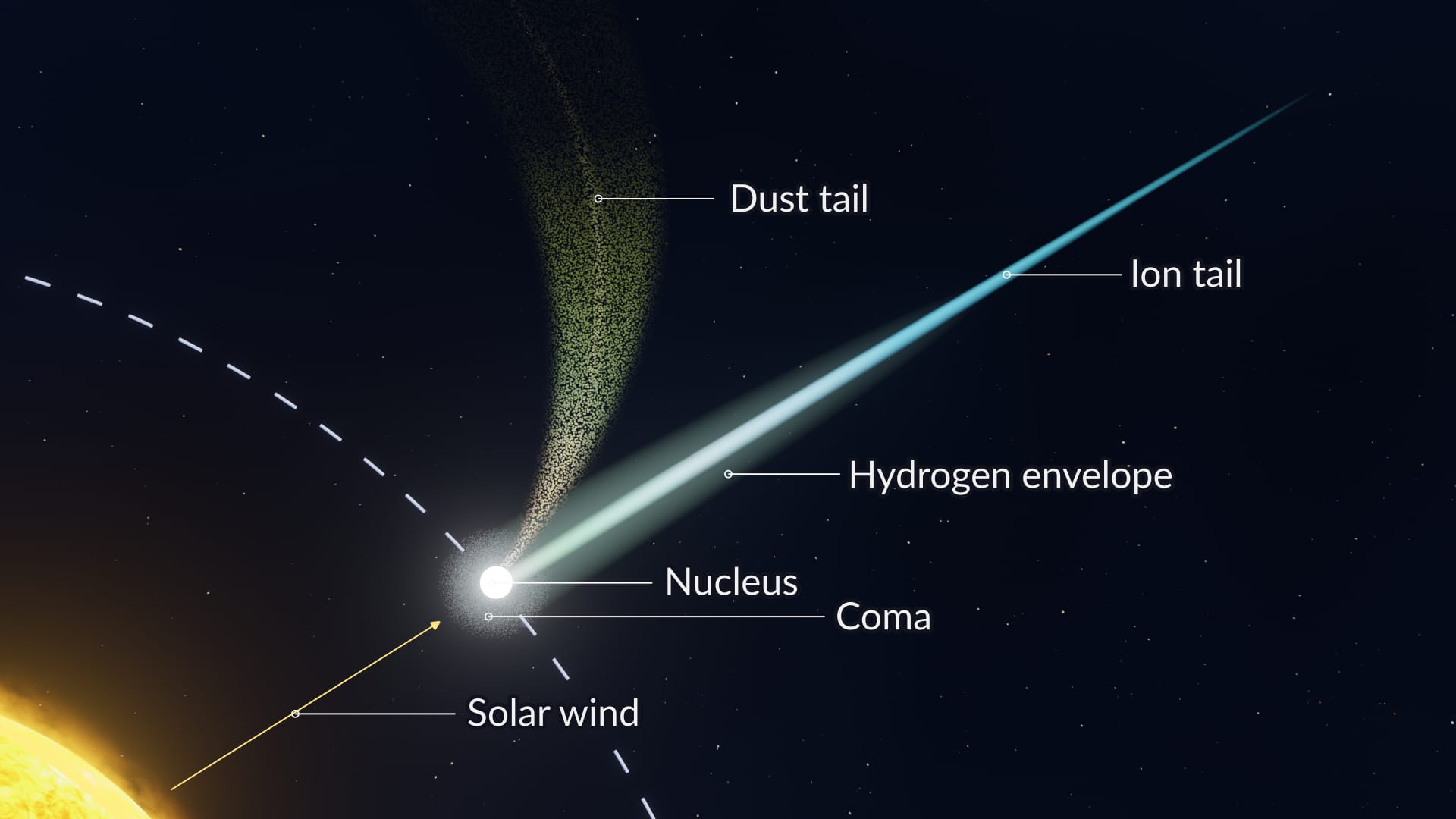
Their famous tails, which we romanticize so completely, are often incredibly diffuse and spread out. They are made of vast, thin clouds of gas and tiny dust particles. These particles are spread out over millions of miles.
Think of it like trying to see a very thin wisp of smoke from several miles away. It's an incredibly difficult task! The tail only becomes visibly bright when a substantial amount of material is actively being shed from the nucleus and caught by the Sun's light.
And that kind of dramatic solar interaction simply doesn't happen with every single comet. Many prefer to keep their dust and gas to themselves, offering only a subtle hint of their existence.

The Rare Exceptions: When Comets Truly Shine
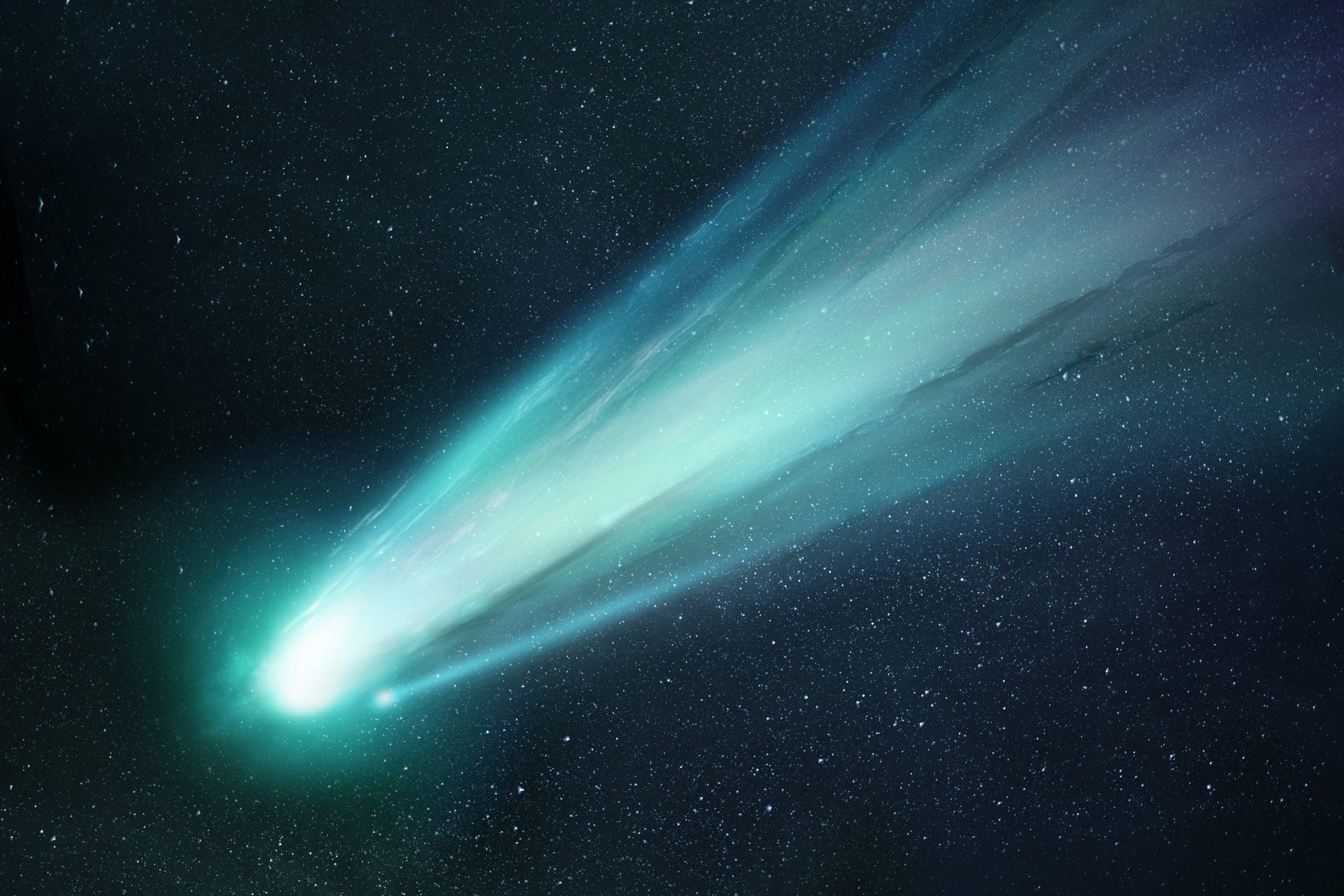
Now, before you completely lose all hope and decide comets are just cosmic blur-fests, rest assured, there are magnificent exceptions. Every few decades or so, the universe gifts us with a truly spectacular show. These are the celestial events that genuinely live up to all the hype.
These are the comets that are the undisputed rock stars of the night sky. They are the ones that make headlines and capture imaginations. They are the ones that actually look like those stunning pictures you see in books.
Think back to legendary visitors like Comet Halley, especially during its brighter apparitions. Or recall the breathtaking sight of Comet Hale-Bopp, which graced our skies in the late 1990s, an iconic memory for a generation.
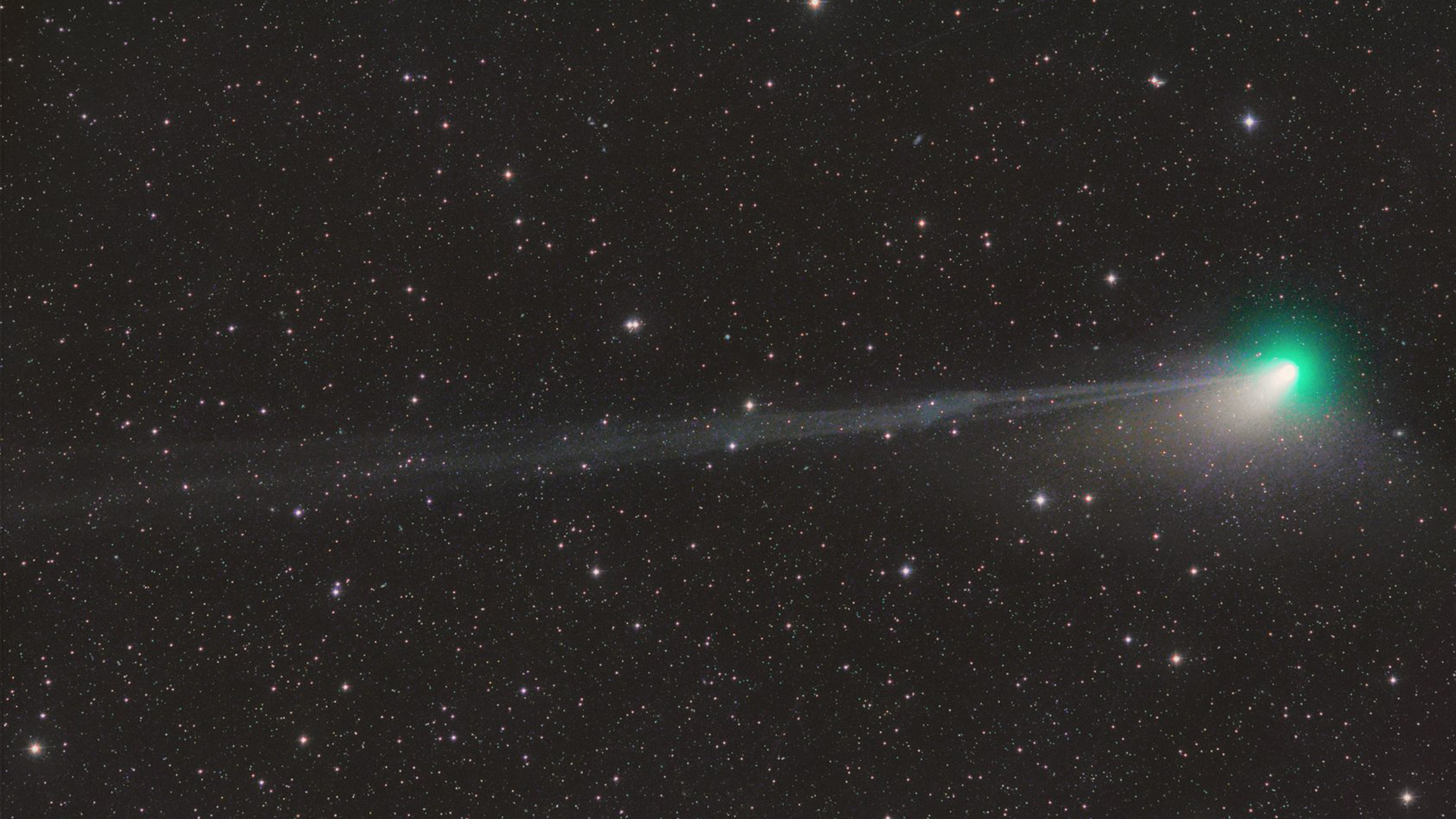
More recently, in 2020, Comet NEOWISE put on a surprisingly decent display, delighting many with its visible tail. These rare gems do look just like the incredible photographs you admire.
They boast a genuinely bright head, often with a distinct, gloriously sweeping tail that can stretch across a noticeable portion of the sky. You can see these beauties clearly with the naked eye, even from areas with moderate light pollution. They are, without a doubt, absolutely breathtaking.
But here's the crucial point, the little asterisk of reality: these truly magnificent displays are incredibly rare. They are once-in-a-lifetime events for many, sometimes even once-in-several-lifetimes. It’s like winning the cosmic lottery.
Most of the comets that regularly visit our inner solar system are simply not in that same spectacular league. They're more akin to a talented indie band playing a cozy, intimate club. Not the stadium headliner with pyro and a laser show.
Embracing the Subtle Charm of the Smudge
So, what’s the big takeaway from all this playful realism? Should you simply give up on the idea of ever seeing a cool comet? Absolutely not, not for a second! Even a faint, fuzzy smudge in the sky is still, in its own way, incredibly cool.
When you spot that humble blur, you are looking at a bona fide wanderer. A mysterious traveler from the most distant, frigid reaches of our solar system. It has journeyed billions of miles just to say a fleeting hello.
This icy visitor holds ancient clues to the very beginning of our solar system’s formation. It's a cosmic time capsule, perfectly preserved and slowly revealing its secrets. That, my friends, is genuinely epic, even if it looks like a faint puff of smoke.
Think of it as a gentle exercise in cosmic humility. The universe isn't always about grand, in-your-face displays. Sometimes, its most profound and beautiful wonders are subtle. They require a bit of patience, a keen eye, and an appreciation for quiet magnificence.
Becoming a Successful Comet Spotter
Do you still want to maximize your chances of seeing one of these elusive visitors? Absolutely you should! Here’s the first golden rule: escape the glow of city lights. Light pollution is the absolute nemesis of faint celestial objects.
Find the darkest possible sky you can access. The difference it makes is truly astounding. A faint smudge in the city might be invisible, but under dark skies, it might just pop into view.
Second crucial tip: use binoculars. While a few exceptionally bright comets are indeed visible to the naked eye, binoculars will dramatically increase your chances. They gather significantly more light than your eyes alone ever could.
A pair of binoculars with a wide field of view is often much better for initially finding a comet than a high-magnification telescope. Binoculars offer a broader perspective, making it easier to sweep and locate the fuzzy target.
Third, and perhaps most important: manage your expectations, playfully of course! Go out hoping for a faint fuzzball. If you happen to be treated to more than that, consider it a magnificent bonus! Don't expect Comet Halley to appear every single time.
Finally: cultivate patience. Stargazing, and especially comet hunting, is very much a slow game. Allow your eyes ample time to fully adjust to the deep darkness. Spend a peaceful amount of time scanning the designated area of the sky.
The reward, even if it's just seeing that tiny, faint smudge, is absolutely worth the quiet effort. It's a moment of connection with something ancient and vast.
The True Magic of a Comet
Perhaps the real, profound magic of a comet isn't actually its brightness. It's not solely about the length or brilliance of its tail. Instead, it's about the incredible story it quietly tells.
It's about the epic journey it represents. It's about the direct, tangible connection it offers us to the incomprehensible vastness of outer space. It's a fleeting hello from beyond.
Even a humble, fuzzy comet, barely a ghost in the night, reminds us that there is so much more out there. It’s a temporary visitor, a cosmic ghost from the solar system's ancient past, making its way through the present.
And that, my dear readers, is truly spectacular, absolutely breathtaking, whether it appears as a dazzling show or just a humble, intriguing smudge. It’s a moment of wonder, regardless of its visual intensity.
So, next time you hear a buzz about a visiting comet, grab your binoculars. Bundle up warmly. Step outside into the quiet night. And prepare yourself to be perhaps slightly underwhelmed by its appearance, yet utterly amazed by its profound existence.
It’s a unique, wonderful, and deeply personal experience. Embrace its imperfections and all its silent, cosmic glory. Keep looking up, because even the smudgy bits of the universe are incredible!