What Does Carbon Monoxide Poisoning Look Like
Alright, let’s chat about something a bit… mysterious. Have you ever wondered about those things that are all around us, but we can't see, smell, or taste? Like the air itself, or maybe that super-stealthy ninja gas known as carbon monoxide (CO). It’s a bit of an enigma, a true master of disguise in the world of invisible threats. And honestly, understanding it is kinda fascinating, in a spooky, sci-fi movie sort of way!
So, what exactly does carbon monoxide poisoning look like? Well, here’s the kicker: for a gas that can be so dangerous, it’s not really a dramatic, movie-style villain with flashing lights and evil cackles. In fact, it's the ultimate chameleon, blending in perfectly with everyday life.
The Sneaky Science Behind CO
Imagine your body as a bustling city, and your blood cells as tiny delivery trucks, constantly zipping around to drop off essential packages of oxygen. Oxygen is the VIP, the star player, making sure everything runs smoothly. Now, enter carbon monoxide. CO is like that super-pushy, charismatic intruder who convinces all the delivery trucks that it is the new VIP. And here’s the wild part: your red blood cells actually prefer to pick up CO over oxygen! By a lot! Like, 200 to 250 times more eagerly. What gives, right?
Must Read
So, if CO hitches a ride on all your oxygen delivery trucks, guess what happens to the real VIP, oxygen? It gets left stranded at the station. Slowly but surely, your body's cells start gasping for air, even though you might be breathing perfectly normal air. It’s like having a beautiful meal in front of you, but your mouth just… won’t open.
The Symptoms: It's a Master of Mimicry!
Because CO is subtly starving your body of oxygen, the symptoms often start off feeling incredibly mundane. This is where the "chameleon" aspect truly shines, making CO poisoning so tricky to spot.

Think of it like this: your body is trying to tell you something's wrong, but the message is scrambled, sounding a lot like... well, a lot like almost anything else!
The Early "Flu-Like" Act:
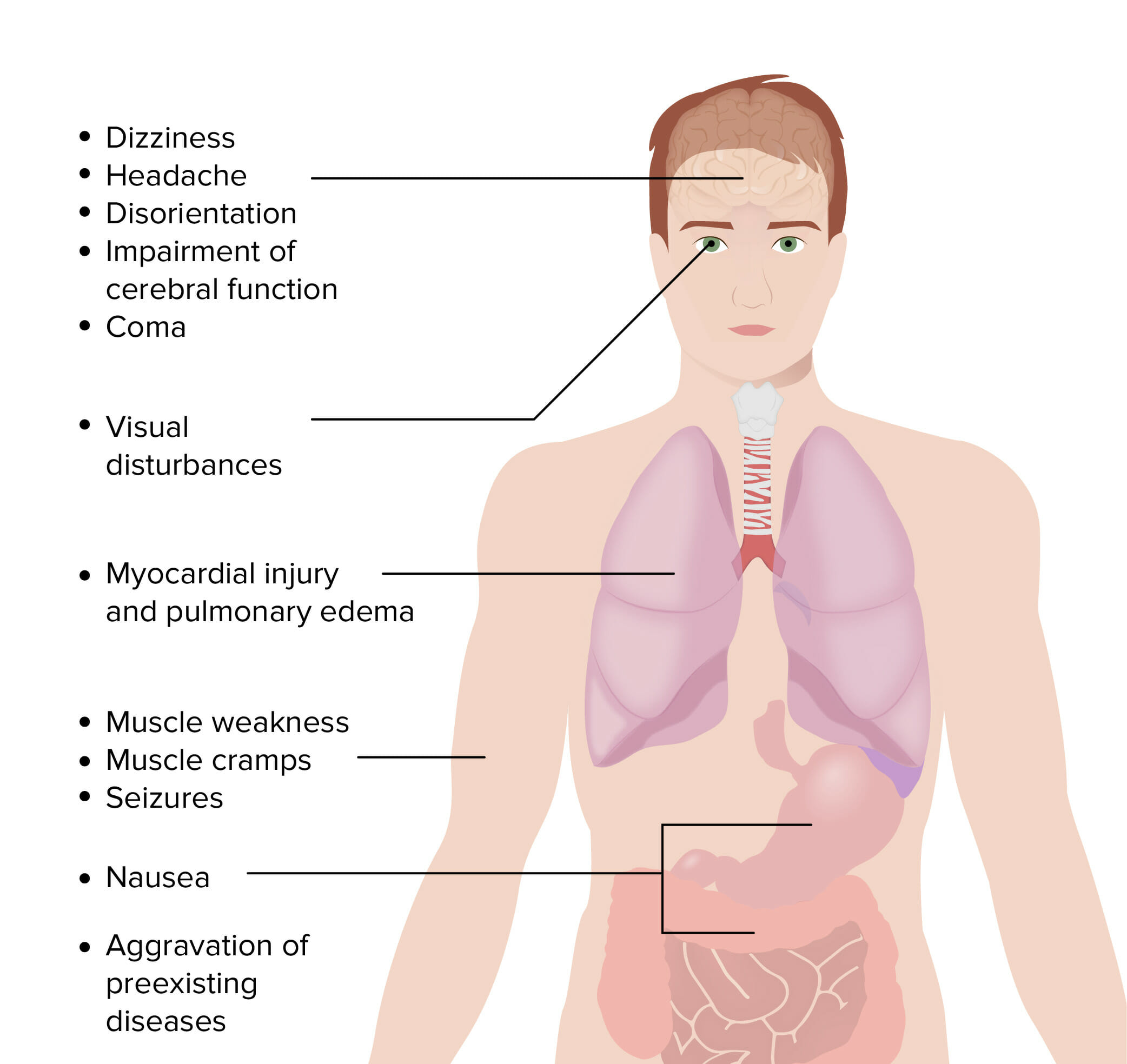
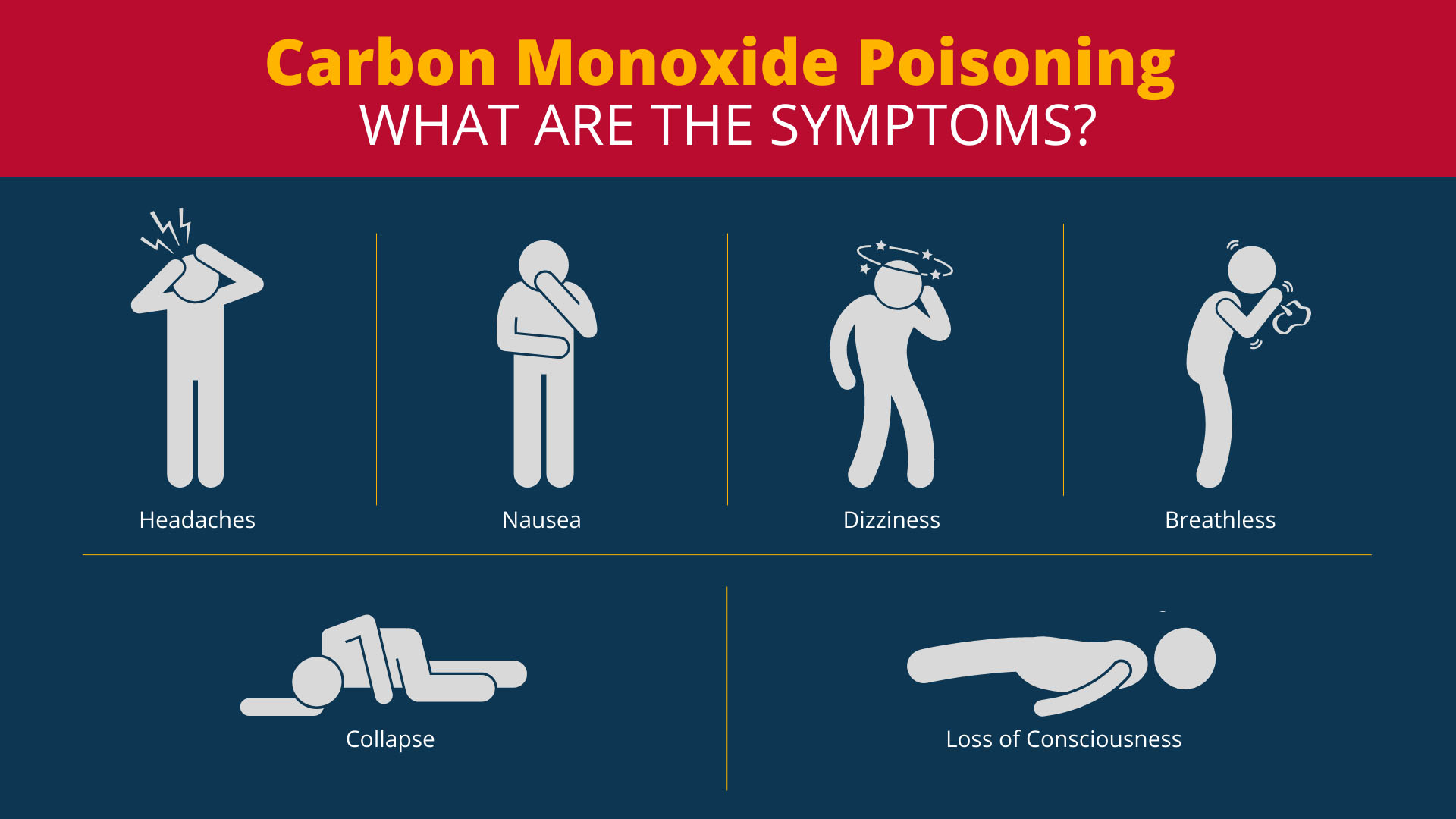
- Headache: This is often one of the first and most common signs. It might feel like a tension headache, a migraine, or just a general throb. Nothing too alarming on its own, right?
- Dizziness or Lightheadedness: Feeling a bit woozy, like you stood up too fast, or maybe skipped breakfast? Could be CO.
- Nausea and Vomiting: That uneasy stomach feeling, perhaps you ate something weird, or caught a stomach bug. Another CO trick!
- Fatigue or Weakness: Feeling unusually tired, like you just can't get enough sleep, or your muscles feel like jelly? Yep, CO loves to make you feel run down.
See? These are all things we experience pretty regularly. Who among us hasn't had a headache and felt a bit tired? This is why CO poisoning is so insidious. It preys on our tendency to shrug off minor ailments.

As the Plot Thickens (More Serious Signs):
If exposure continues, the symptoms become more severe, and frankly, a lot scarier, but still eerily non-specific if you don't know what you're looking for.
- Confusion or Disorientation: Your brain isn't getting enough oxygen, so thinking clearly becomes a chore. You might feel lost, forgetful, or just "not quite right."
- Blurred Vision: Your eyes are struggling to process things normally.
- Muscle Weakness or Incoordination: You might feel clumsy, find it hard to walk straight, or struggle with simple tasks. It's like your body is moving through water.
- Chest Pain: For some, especially those with heart conditions, chest pain can occur as the heart struggles to pump oxygen-depleted blood.
- Drowsiness leading to Loss of Consciousness: This is the really critical stage. As your body shuts down, you might just feel incredibly sleepy, drift off, and not wake up. This is where it becomes life-threatening, often in your sleep.
The "Cherry Red" Myth – A Pop Culture Fable?
You might have heard that people poisoned by CO turn a bright cherry red. And while it's true that carbon monoxide can give blood a vivid red color (think vibrant arterial blood), in living people, it's actually quite rare to see this skin coloration. By the time someone's skin starts to look visibly "cherry red," they are often already very severely poisoned, or tragically, have already passed away. So, don't wait for a color change; it's a dangerous misconception!
The Silent Storyteller
What makes CO poisoning truly unique, and a bit chilling, is how it often presents in groups. If everyone in a house, or multiple people in the same office space, suddenly start complaining of headaches, nausea, or unusual fatigue, that's your body (and your inner detective!) telling you something is seriously amiss. It's an invisible, collective storyteller.
So, while we can't truly "see" carbon monoxide poisoning, we can learn to recognize its many sneaky disguises. It's not about dramatic movie scenes; it's about paying attention to persistent, unexplained symptoms, especially if they seem to improve when you leave a certain environment and reappear when you return.
The good news? We have a superhero for this invisible menace: the carbon monoxide detector! These little gadgets are like your personal, ever-vigilant secret agents, sniffing out CO long before it can start its insidious work. Pretty cool, huh? Stay curious, stay safe, and give your CO detector a friendly wave!