
What Does A Water Temperature Sensor Do
Alright, settle in, grab your beverage of choice – hopefully, it’s at the perfect temperature – because we’re about to talk about a true unsung hero of the modern world: the water temperature sensor. You probably never think about it, right? It’s just… there. Doing its thing. Like a super-dedicated, slightly OCD postal worker who always delivers, even in the digital age.
But let me tell you, this little gadget is working harder than your phone’s battery during a TikTok binge, and its impact on your daily life is, dare I say, monumental. If these sensors ever unionized, they’d demand a corner office and a lifetime supply of perfectly brewed coffee.
So, What Does It Do, Exactly?
At its core, a water temperature sensor is exactly what it sounds like: a tiny, vigilant spy whose sole purpose is to measure the heat (or lack thereof) in water. It's like the Goldilocks of your plumbing, constantly asking, "Is this water just right?"
Must Read
But here’s the kicker: it doesn’t just feel the temperature. It reports it. Instantly. And with shocking accuracy. It’s essentially the chatty informant, sending signals to a control system that then decides, "Okay, that’s too hot, cool it down," or "Brrr, needs more warmth!"
Think of it as the brain behind every perfectly lukewarm baby bath, every scald-free shower, and every dish that comes out of the dishwasher sparkling clean, not coated in lukewarm grease. Without it, we’d be living in a world of chaotic thermal guessing games. And trust me, nobody wants a guessing game when it comes to a morning shower.

Where Are These Little Thermal Superheroes Hiding?
Oh, darling, they’re everywhere! Once you start looking, you’ll realize your life is practically a tribute to water temperature sensors. Naturally, you’ll find them in your hot water heater, diligently making sure you don’t run out of steamy goodness mid-shampoo. They’re in your shower mixer, preventing you from accidentally re-enacting a scene from a horror movie where the water turns from icy to scalding in 0.2 seconds.
But wait, there’s more!
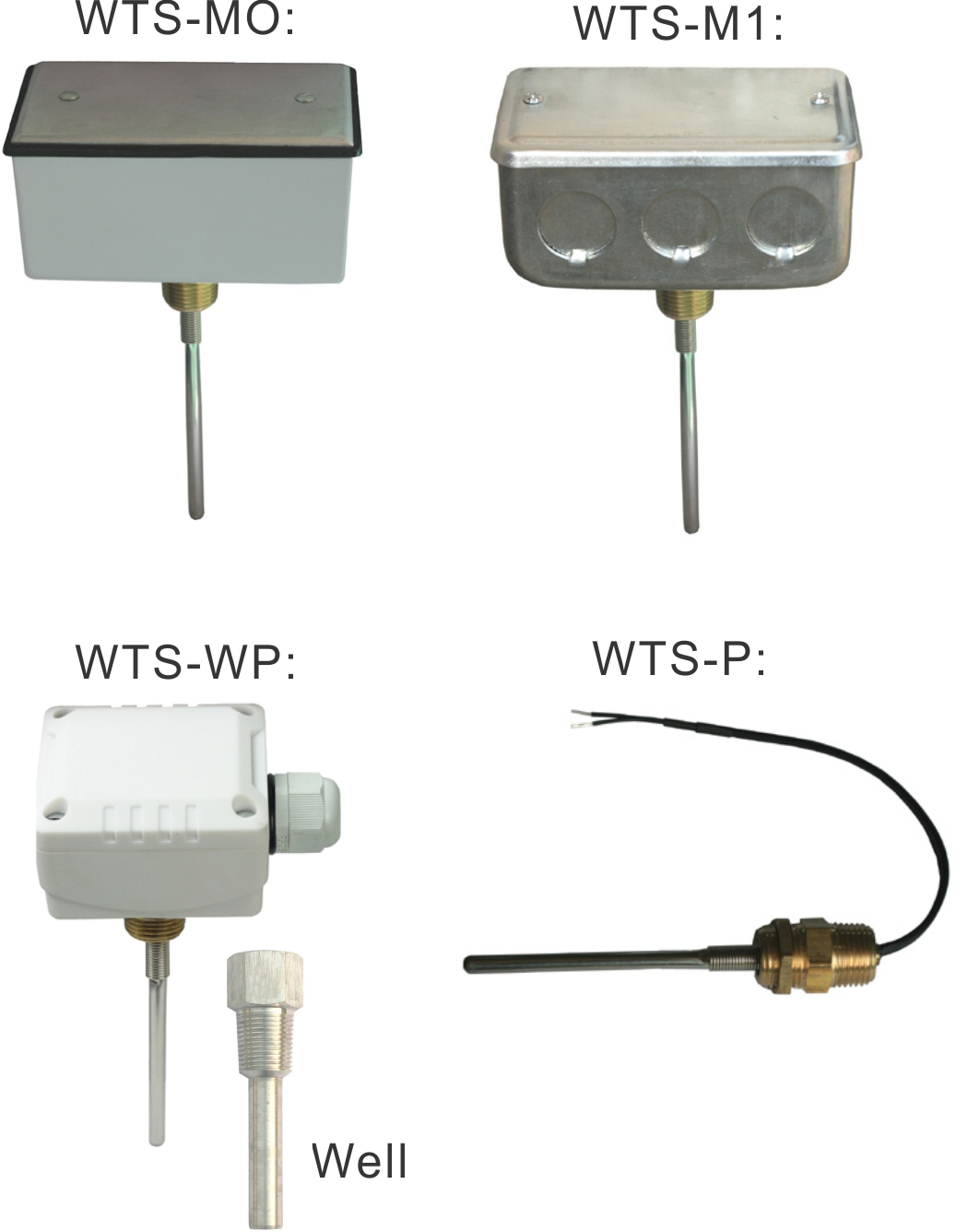
- Your dishwasher? Absolutely. It needs to know the water is hot enough to sanitize those plates and melt away last night’s stubborn lasagna.
- Your washing machine? You betcha. Different fabrics need different water temperatures. A sensor ensures your delicates don't get boiled and your whites get properly brightened.
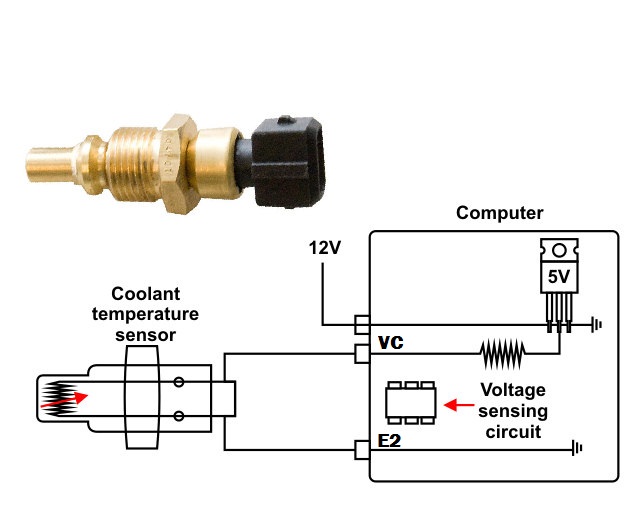
- Your car engine? Oh, heck yes! An overheating engine is a one-way ticket to a very expensive tow. A sensor keeps tabs on the coolant, warning your car's computer if things are getting a little too spicy under the hood. It’s basically your car’s personal heat monitor.
- And get this: your fancy coffee machine? Yep. To brew that perfect cup, the water needs to be at an incredibly precise temperature. Too hot, it burns the coffee. Too cold, it tastes weak. Your sensor is the unseen barista, ensuring every sip is divine.
- Even your tropical fish tank! Those little finned friends are picky. A sensor keeps their watery habitat just right, preventing them from catching a chill or, heaven forbid, cooking.
It’s like they're living parallel lives to us, quietly ensuring our comfort and safety, never asking for applause. Truly the introverts of the tech world.
How Does This Sorcery Work?
Without getting too bogged down in the super-science (because honestly, who wants a physics lecture with their afternoon tea?), most water temperature sensors, especially the common ones called thermistors, work on a pretty clever principle.
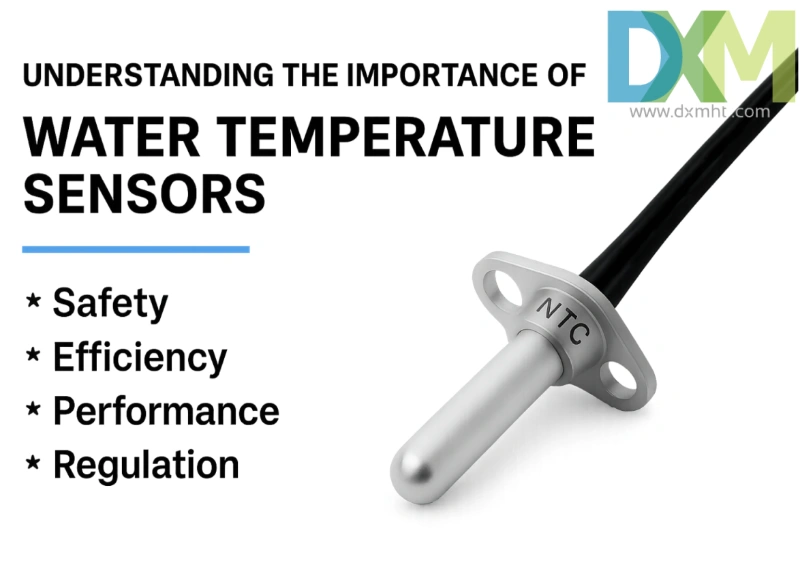
Imagine a tiny resistor. Now, imagine this resistor is a bit of a drama queen. As the water around it gets hotter, its electrical resistance drops. When the water cools down, its resistance goes up. It's like a tiny, temperamental light switch that flips based on heat.
This changing resistance is then measured by a control circuit, which translates it into a temperature reading. So, when your shower gets too hot, the sensor goes, "Whoa, Nelly! Resistance dropping! Tell the mixer to chill out!" And poof, perfect temperature.
It’s a constant, silent dialogue between the water, the sensor, and the device it controls. A delicate dance of electrical impulses, all to ensure your life runs smoothly. Pretty wild, right?
Why Should We Even Care?
Beyond the obvious comfort of a non-scalding shower, these sensors are actually vital for safety and efficiency.
- Safety First: Preventing burns, avoiding engine breakdowns, keeping industrial processes from reaching dangerous temperatures. These sensors are like tiny, tireless guardians.
- Energy Efficiency: Imagine a water heater constantly trying to guess if it's hot enough. It would be firing up unnecessarily, wasting energy and money. Sensors ensure things only heat when they really need to.
- Product Quality: From brewing beer to developing film (yes, that’s still a thing!), precise water temperature is often critical for the desired outcome. These sensors are the unseen maestros of consistency.
So, the next time you step into a perfectly temperate shower, enjoy a faultless cup of coffee, or notice your car engine isn't smoking like a dragon, take a moment. Send a silent thank you to the humble, hardworking water temperature sensor. It’s probably right there, doing its thing, ensuring your world is just the right amount of warm or cool, silently preventing chaos one degree at a time. What a trooper!