What Does A Motion Detector Do

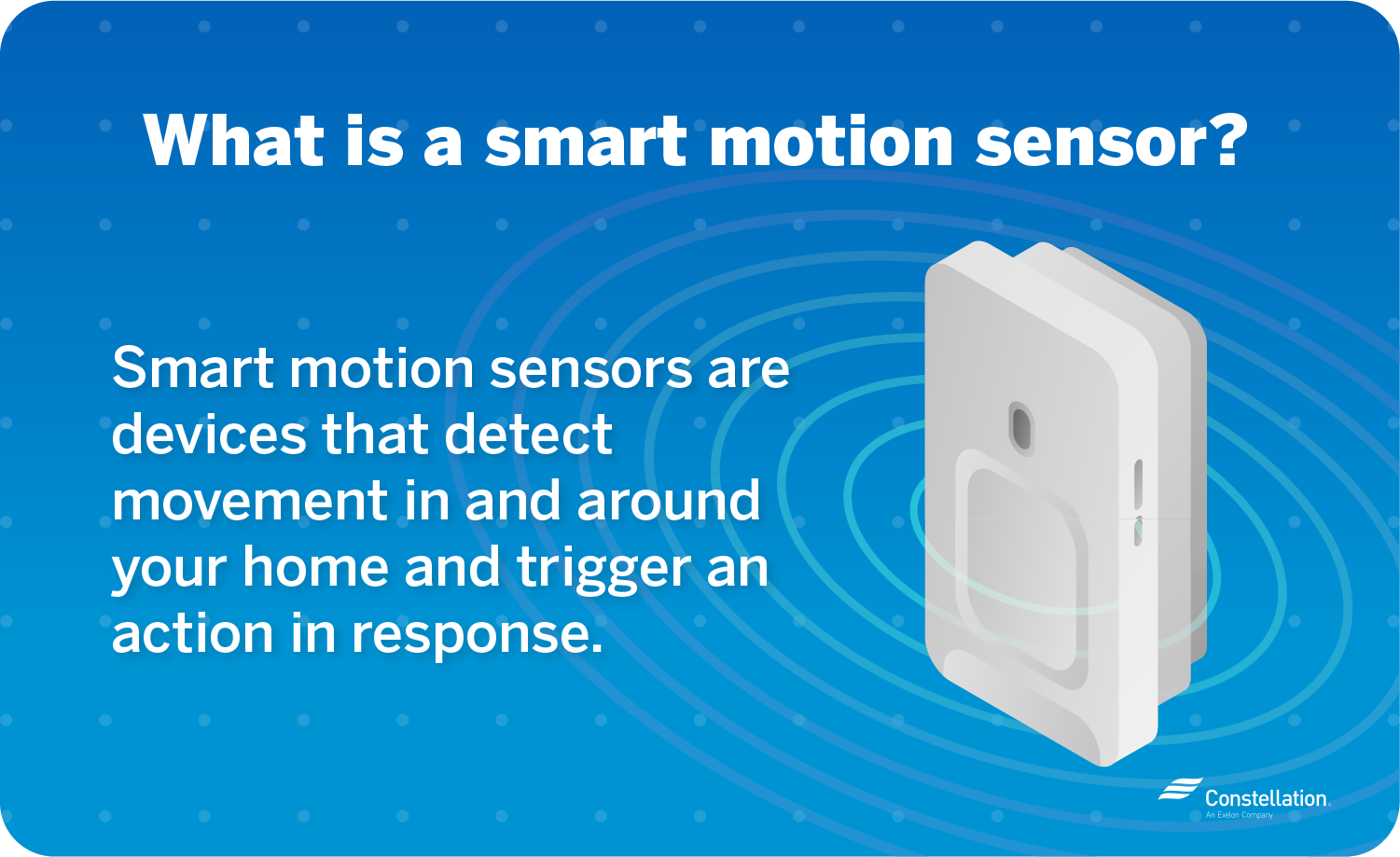
Ever walked into a room and the lights just... turned on? Or perhaps you’ve seen a security camera swivel to follow something unseen? Chances are, you’ve just encountered the magic of a motion detector. These clever little gadgets are everywhere, quietly working behind the scenes to make our lives easier, safer, and even a bit more energy-efficient. It’s actually pretty fun to peel back the curtain and see how they work their wonders!
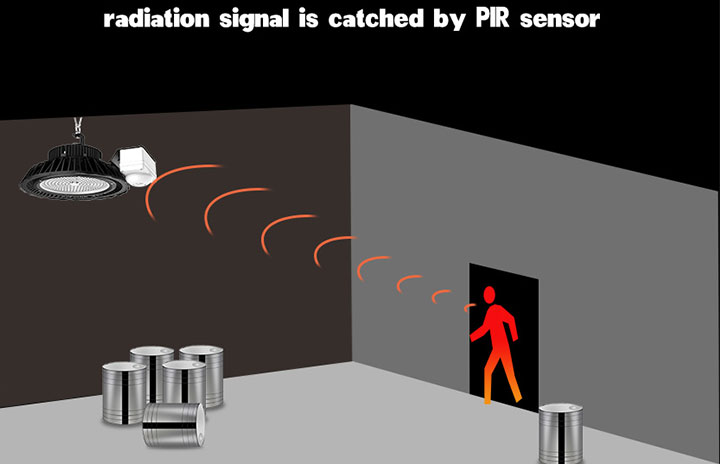
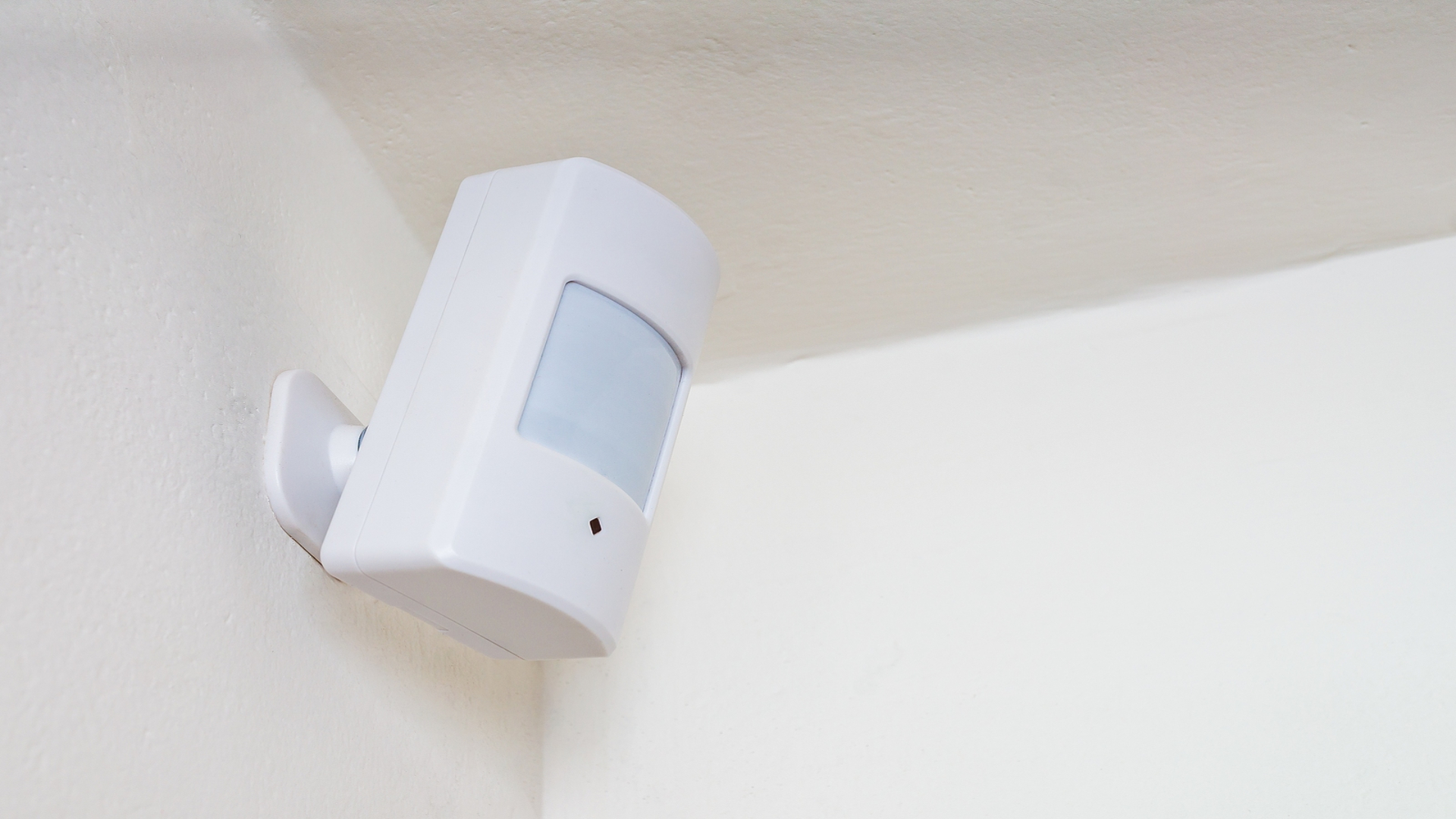
At its heart, a motion detector does exactly what its name implies: it detects movement. But how? Most common ones, known as Passive Infrared (PIR) sensors, are like tiny heat-vision cameras. They don't emit anything themselves; instead, they passively look for changes in infrared energy – which is basically heat. When a warm body, like you or your pet, moves into its field of view, it causes a shift in the infrared pattern the sensor "sees." This change triggers the detector, telling it, "Hey, something just moved!"
The benefits are huge. They offer incredible convenience, letting you walk into a dark pantry without fumbling for a switch. They boost security, alerting you to unexpected visitors or turning on lights to deter intruders. And they're fantastic for energy saving, ensuring lights or heating only come on when truly needed, stopping energy waste in empty rooms.
Must Read
You're probably surrounded by motion detectors without even realizing it. Think about the automatic doors at the supermarket – a classic example. Your smart thermostat might use one to know when you've left the house, adjusting the temperature to save energy. Outdoor security lights that blaze to life when someone approaches your driveway? That’s a motion detector at work. Inside our homes, they're integrated into smart home systems, triggering lights, playing music, or even sending alerts to your phone if unusual movement is detected.

In education, motion detectors are brilliant for hands-on learning. Kids can use simple kits to build their own motion-activated alarms or lights, learning about circuits, infrared technology, and basic programming. Robotics clubs often incorporate them to help robots navigate or react to their environment, making for exciting, interactive projects. They're a perfect gateway into understanding sensors and automation.
Want to get curious about motion detectors? Start by simply observing them. Notice how the automatic doors at stores respond to you. Pay attention to security lights and try to figure out their range. Many outdoor lights have adjustable sensitivity and duration settings – try tinkering with them (if you have permission, of course!) to see how changes affect their performance. You can even find inexpensive PIR motion sensor modules online for just a few dollars. Pair one with a simple microcontroller like an Arduino, and you can build your own basic motion-activated projects, like a secret alarm for your cookie jar or a light that turns on when you open a drawer. It's a fantastic, low-stakes way to delve into the fascinating world of automation and sensing!