
What Does A Mill Machine Do
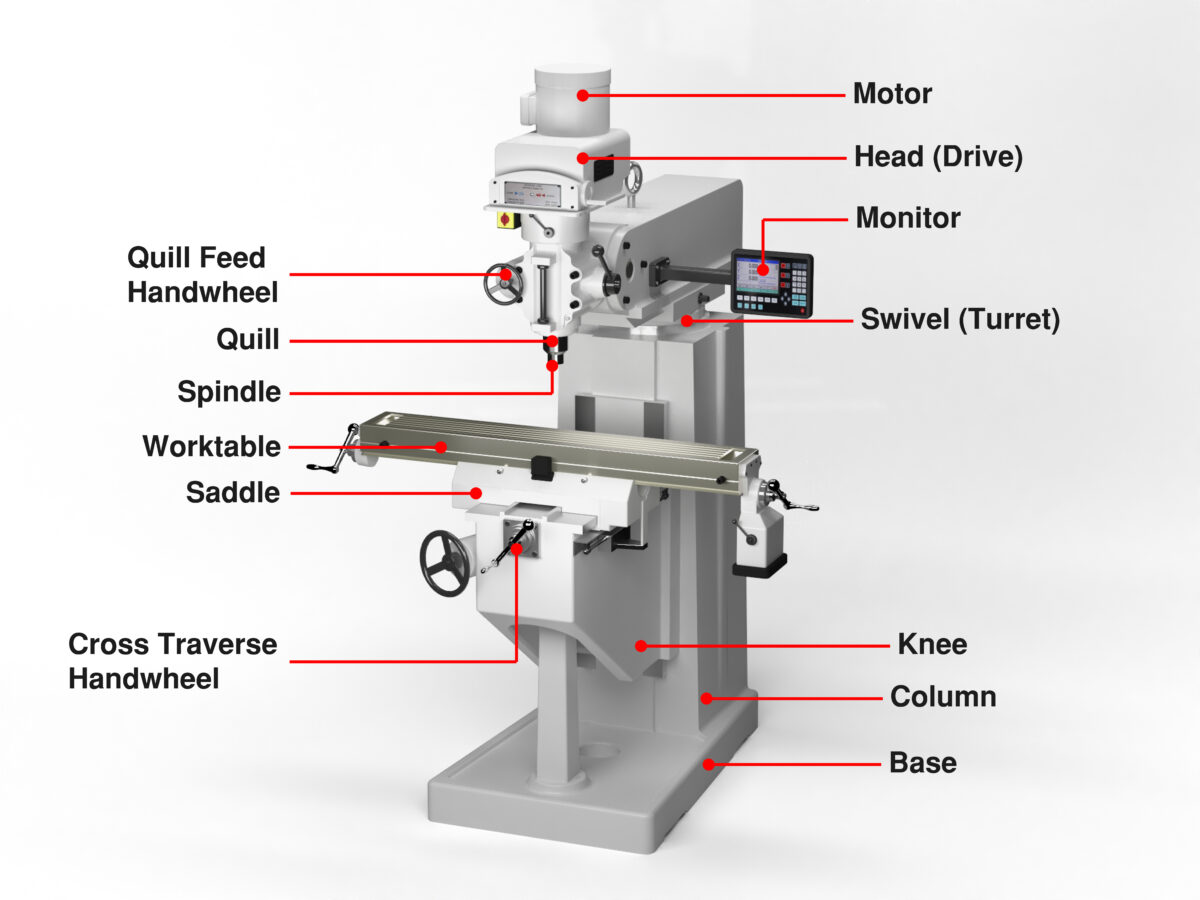
Ever walked past a bustling workshop and heard that distinctive whirring, humming sound, then maybe caught a glimpse of sparks flying or metal shavings spiraling away? It’s pretty captivating, isn't it? Our world is filled with incredible machines working behind the scenes, shaping the very things we use every day. And among the coolest, most versatile of these unsung heroes is something called a mill machine.
Sounds a bit industrial, right? Maybe a little intimidating? Well, let's peel back the layers and discover why this machine is actually super fascinating and surprisingly elegant in its work. Think of it less like a giant, grumpy robot and more like a master sculptor, but for really tough stuff.
So, What Exactly Is a Mill Machine?
At its heart, a mill machine is a tool designed to shape solid materials by removing excess bits. Imagine taking a block of wood and carving a detailed figure, but instead of a chisel and mallet, you've got a super-powered, incredibly precise spinning tool. That's essentially what a mill does, but it can work with everything from soft plastics to rock-hard metals and advanced composites.
Must Read
The core concept is brilliantly simple: you have a workpiece (the material you want to shape) and a cutting tool. Unlike a drill, which just plunges down, a milling machine's cutter spins at high speeds and moves along multiple axes – up, down, side to side, even in curves. It's like a dancer with a sharp, spinning hat, gracefully carving away material with every move.
The Art of Subtraction: How Does It Work Its Magic?
Here’s where it gets interesting. Instead of adding material like a 3D printer (which is called additive manufacturing), a mill machine is all about subtractive manufacturing. It starts with a solid block and carefully, precisely carves away everything that isn't part of the final design.

Picture this: a super-strong, multi-bladed cutting tool, often called an end mill, is mounted into the machine's spindle. This spindle rotates the tool at incredibly high speeds – sometimes tens of thousands of revolutions per minute! While the tool is spinning, either the workpiece or the tool itself (or both!) moves in a controlled manner. This movement guides the spinning cutter along the desired path, literally shaving off tiny chips of material until the exact shape emerges.
It’s like an artist carefully chipping away at a block of marble, but with robotic precision that can achieve tolerances measured in mere microns – that’s thinner than a human hair!
What Can These Mighty Mills Make?
This is where the "cool" factor really kicks in. Because of their incredible precision and ability to work with tough materials, mill machines are responsible for creating an astonishing array of objects that touch our lives every single day. Ever held a smartphone? Parts of its intricate internal structure likely saw a mill. Driven a car? Gears, engine components, and specialized brackets are often milled.
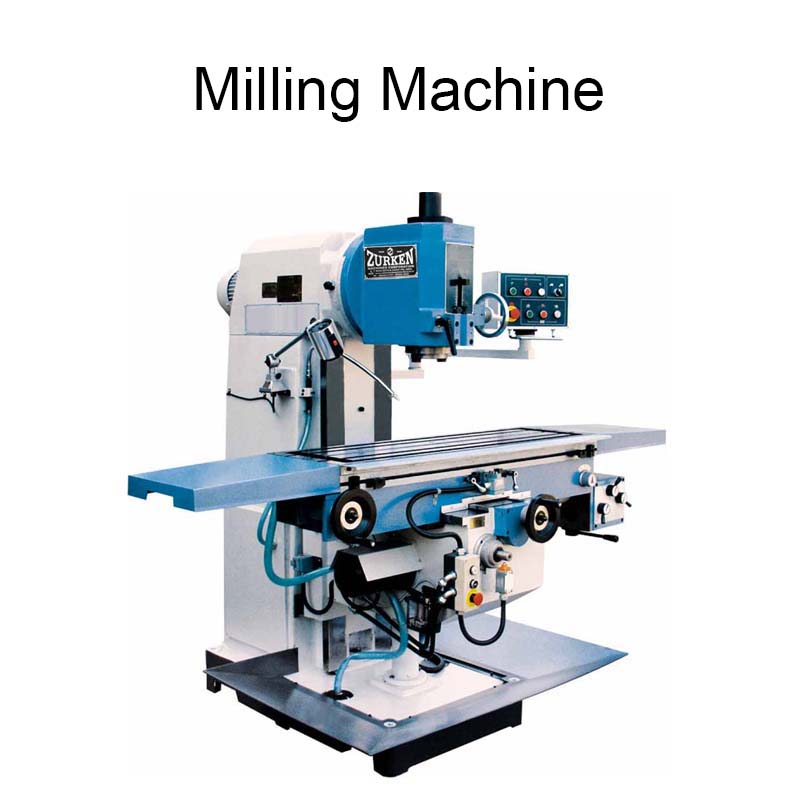
Think about things like:
- Aerospace components: Parts for jet engines, aircraft wings, and structural elements need to be incredibly strong and precise.
- Medical implants: Imagine a perfectly sculpted hip replacement or a dental crown – these demand absolute accuracy.
- Custom molds and dies: For plastic injection molding or metal stamping, the intricate molds themselves are often milled.
- Prototypes: Need to test out a new product idea? A mill can quickly create a functional prototype.
- Gears, shafts, complex casings: Anywhere a durable, precisely shaped metal part is needed, a mill is probably involved.
From the tiniest, most delicate components to massive industrial parts, the mill machine is a go-to for bringing complex designs into physical reality.
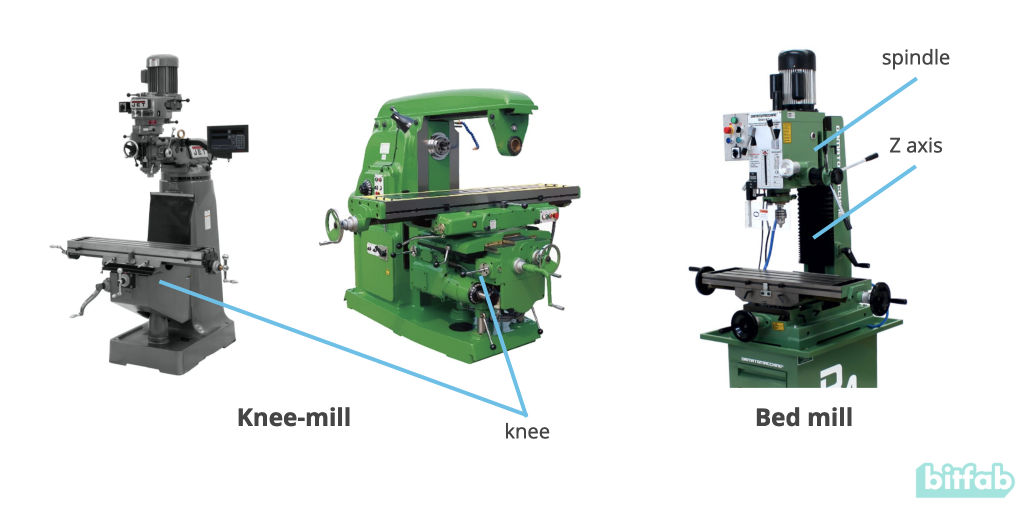
The Rise of CNC: When Computers Take Over
While historically, skilled machinists manually operated mills (and still do for some tasks!), modern manufacturing heavily relies on CNC mill machines. "CNC" stands for Computer Numerical Control. This means a computer program dictates every single movement of the cutting tool and the workpiece.
Imagine designing a complex part in 3D software on a computer. With CNC, that design is translated into a language the machine understands, and off it goes! This level of automation means unparalleled accuracy, repeatability, and the ability to create incredibly complex geometries that would be impossible by hand. It's like having a master craftsman with the memory and precision of a supercomputer.
Why Is This All So Fascinating?
What makes mill machines so genuinely captivating?
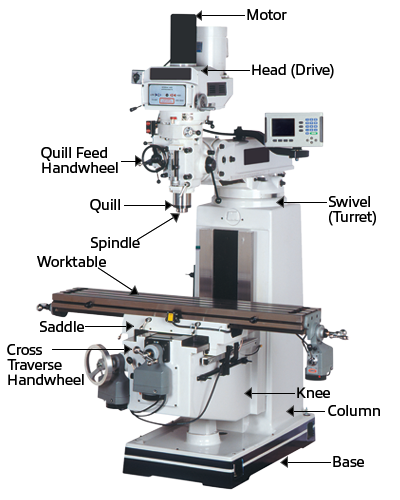
Firstly, it's the transformation. Taking a crude block of material and watching it evolve into a highly functional, often beautiful, precisely engineered component is nothing short of mesmerizing. It's creation through careful destruction.
Secondly, it's the precision. In a world where "close enough" often passes, mill machines operate at a level of exactitude that borders on magical. This precision is what allows parts to fit together flawlessly, machines to run smoothly, and critical components to perform reliably.
And finally, it's their ubiquity. Even if you've never heard of a mill machine, you are surrounded by its work. It's a foundational technology that underpins so much of our modern world, quietly shaping the future, one perfectly cut chip at a time. Pretty neat, right? The next time you see a complex metal part, take a moment to appreciate the unsung hero that likely brought it to life: the incredible mill machine.