
What Does A Gas Leak Sound Like

Picture this: You’re finally home, kicked off your shoes, and maybe you’re puttering around the kitchen, or just enjoying a rare moment of quiet. The fridge hums, the distant traffic murmurs, maybe the dog snores softly. These are the soundtrack to our everyday lives. But what if there’s a new,
We’re talking about gas leaks, folks. It’s not the most glamorous topic, but knowing what a gas leak might sound like can turn you into a
The Subtle Symphony of a Sneaky Leak
Most commonly, a gas leak sounds like a
Must Read
Think about it like this: You’ve got a secret message being passed, and it’s delivered in a quiet, sibilant tone. If you're near a gas appliance like your stove, water heater, or furnace, and you catch a whiff of something funny (more on that later!),
When the Whistle Blows (Not for Tea!)
Sometimes, if the leak is through a very small crack or hole, it can create a
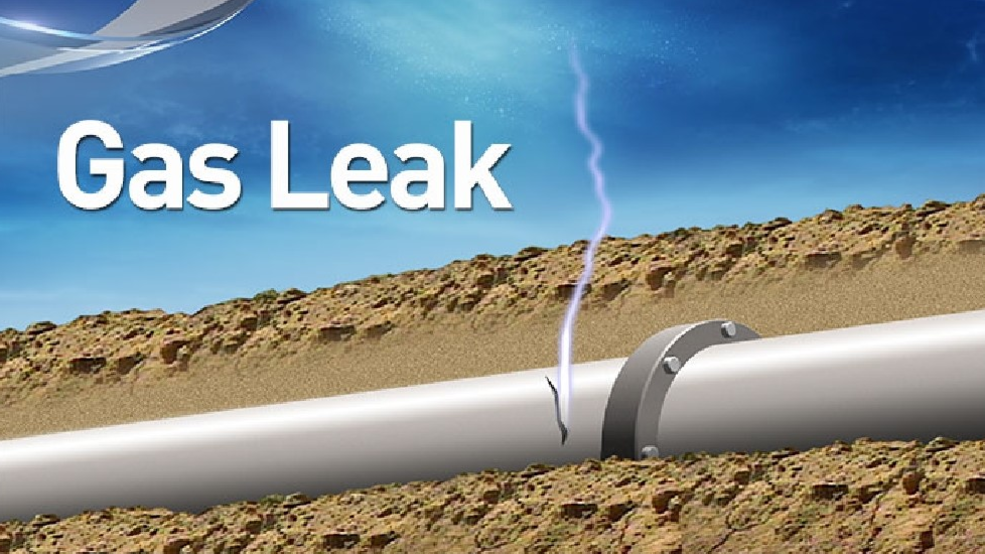
Picture a kettle just starting to boil, but without the comforting smell of tea. It’s that initial, almost delicate whistle as the pressure builds or escapes. This kind of sound can be particularly tricky to pinpoint, as it might blend into the background noise, but once you hear it, it often sounds
The Bigger Growl (Less Common, But Possible)
In rarer, more serious cases, especially if there’s a larger pipe leak or significant damage, you might hear a more robust sound, like a

However, for most residential gas leaks, you're usually dealing with the quieter, more elusive sounds. It's not often a theatrical event, but rather a subtle warning sign, like your car's check engine light –
More Than Just Sound: Your Other Super Senses!
While listening is key, remember that your nose is often your

So, even if you don't hear a peep, if you catch a whiff of that funky odor, it’s time to take action. You might also
Why Should You Care? (Beyond the Boogeyman)
Okay, so why should you channel your inner sound detective? Well, it’s not just about avoiding scary scenarios. Gas leaks can lead to some serious health issues, like

And of course, there’s the big one: natural gas is highly flammable. A spark from a light switch, a ringing doorbell, or even a cell phone can ignite an accumulated gas cloud. Knowing what to listen for, smell for, and then do about it makes you the
Okay, I Hear Something! Now What?
If you suspect a gas leak based on sound, smell, or sight, here’s the vital takeaway:
Get out! Immediately evacuate everyone (including pets!) from the building.- Once you’re safely outside and a good distance away,
call 911 or your gas company’s emergency number. Do NOT use light switches, appliances, cell phones, or anything that could create a spark while you’re inside or near the suspected leak.
Being aware of these subtle sounds can truly make a world of difference. It’s like knowing the secret language of your home. So, next time you're enjoying the quiet moments, take a moment to really listen. Your ears might just be your most important safety tool!