
What Does A Gas Bill Include
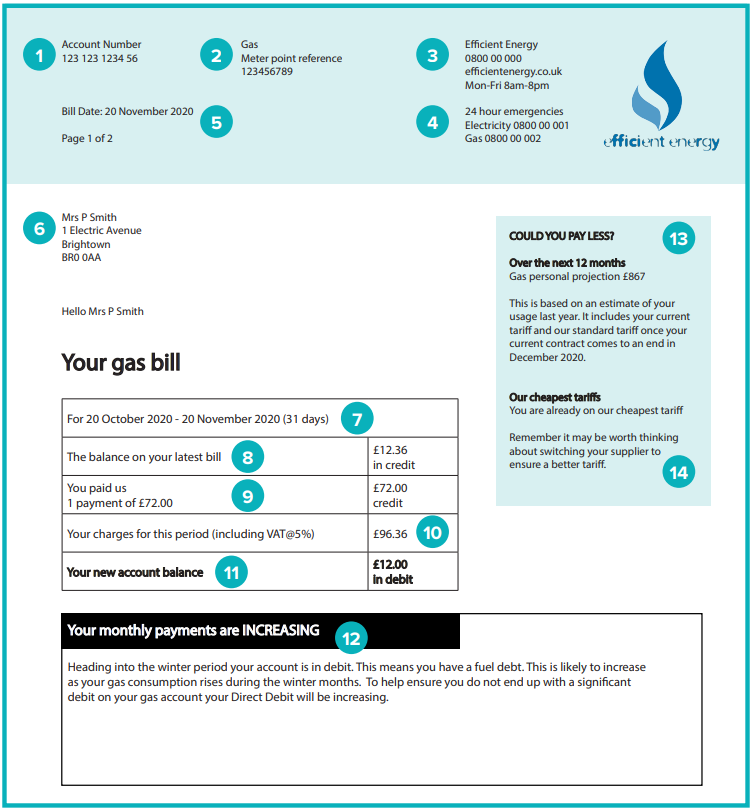
Hey there, comfort connoisseur! Ever get your gas bill in the mail and just, well, stare at it? It’s not exactly a thrilling beach read, is it? More like a cryptic puzzle wrapped in a bland envelope. But fear not, my friend! We're about to demystify that piece of paper so you can look at it with less dread and more, dare I say, understanding.
Think of me as your friendly neighborhood gas bill whisperer. We're going to break it down, section by section, like dissecting a very important (and slightly boring) frog. Except, you know, without the actual frog or the boring part. Mostly.
Your Basic Info: The "Who Are You?" Section
Okay, let's kick things off with the easy stuff. Right at the top, you'll usually find your account number, your name and address, and the billing period. This is like the front cover of your personal energy novel. It tells the utility company (and you) who is being billed and when the charges apply.
Must Read
It's important to double-check this, especially if you've recently moved or made changes. No one wants to accidentally pay for their neighbor's extra-long hot showers, right?
Understanding Your Usage: The "How Much?" Section
This is where things get a little more interesting – and where you can actually make a difference! Your bill will show you how much gas you actually used during the billing period. It's often measured in CCF (hundred cubic feet) or Therms (a unit of heat energy). Don't let the fancy terms scare you!
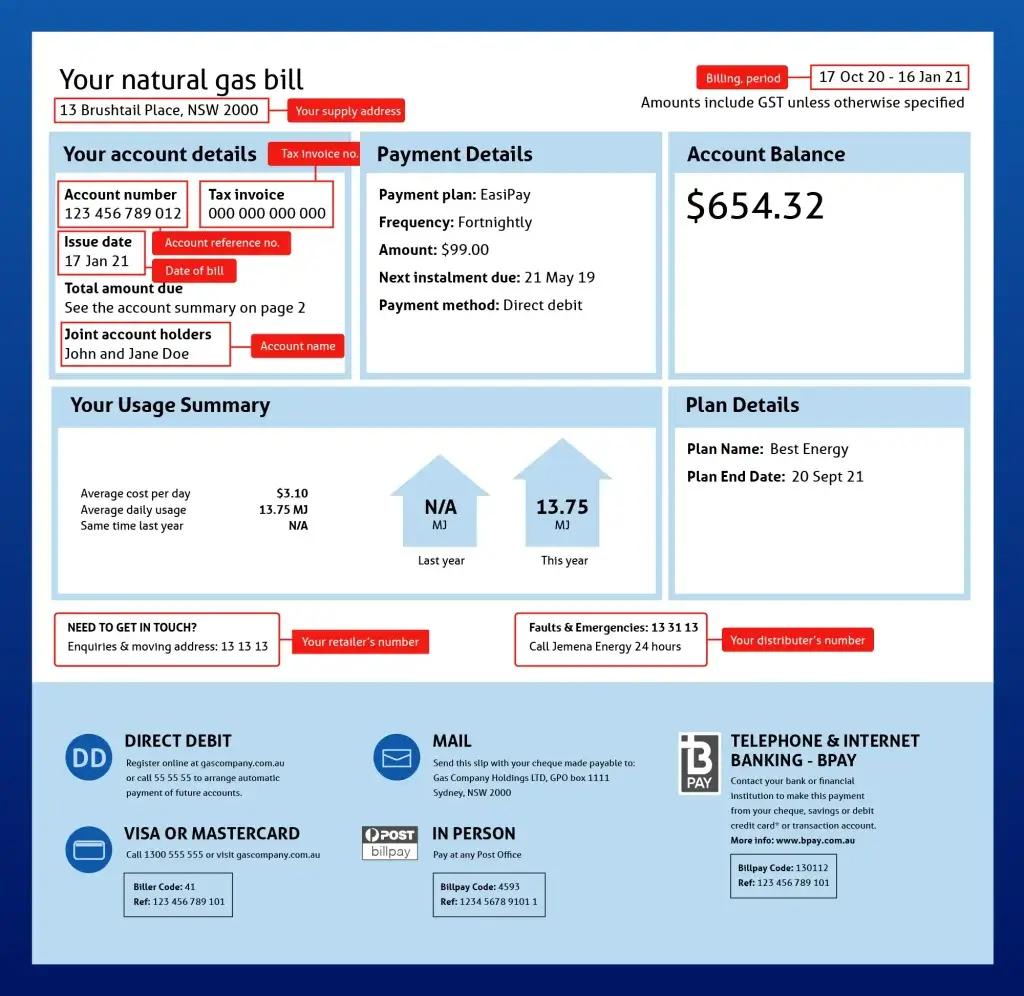
You’ll see your previous meter reading and your current meter reading. The difference between the two is your usage. Some bills even include a handy-dandy graph showing your usage trends over the past year. It's like your personal gas consumption diary – sometimes a bit embarrassing, sometimes surprisingly low!
- Previous Reading: What your meter said last time.
- Current Reading: What your meter says now.
- Consumption: The difference! This is the gas that kept you toasty and cooked your midnight snacks.
The Charges: The "What Am I Actually Paying For?" Section
Alright, deep breath. This is the juicy part, the heart of the bill. It’s usually broken down into a few categories:

1. Supply/Commodity Charge: The Gas Itself!
This is the cost of the actual natural gas that flows into your home. Think of it as the price of the magical, invisible stuff that makes your stove flame dance and your furnace hum. This rate can fluctuate based on market prices, just like, say, the price of avocados (but hopefully less dramatically!).
Sometimes you might even have a choice in who supplies your gas. If so, your bill might show your supplier separately from the company that delivers it. It's like choosing your favorite brand of coffee versus the post office delivering it!
2. Delivery/Distribution Charge: The "Getting It To You" Fee
This charge covers the cost of getting that gas from the big pipelines all the way to your cozy abode. This includes maintaining the vast network of pipelines, meters, and other infrastructure, as well as the wonderful folks who ensure everything runs smoothly and safely. So, even if you never turned on your heat, you'd likely still pay some delivery charge just for being connected to the system. It's the utility company's way of saying, "We're here for you, even if you're just admiring your gas stove!"

3. Basic Service Charge / Customer Charge: The "We Exist" Fee
This is a flat, monthly fee that usually doesn't change based on how much gas you use. It covers the administrative costs of maintaining your account, billing, and customer service. Essentially, it’s the utility company saying, "Thanks for being a customer! Here's a small fee for keeping your lights on (metaphorically speaking, of course, for gas)."
4. Taxes and Surcharges: The Government's Slice
Ah, taxes! They're like that unexpected guest at a party – always there. Your gas bill will often include various state, local, and sometimes even federal taxes or surcharges. These can be for things like energy efficiency programs, environmental initiatives, or just general government revenue. They're usually a small percentage of your total bill, but they add up!

Total Amount Due & Payment Options: The Grand Finale!
Finally, you'll see the total amount due and the all-important due date. Most bills will also list various ways to pay, whether online, by mail, or through an automatic payment plan. Missing a due date can sometimes result in a late fee, which is no fun for anyone, so make a note!
Important Messages & Energy-Saving Tips
Don't just skip past this! Utility companies often use this section to provide valuable information like energy-saving tips, safety notices, or news about new programs. Sometimes there's even a little reminder about how to contact them if you have questions (like the one you just had before reading this!).
So, there you have it! Your gas bill, decoded. It’s not nearly as scary when you know what all those numbers and terms actually mean. Understanding your bill is like getting a superpower – it helps you manage your energy usage, spot potential issues, and maybe even save a few bucks. Go forth, my friend, and conquer those bills! You're not just a bill-payer anymore; you're a gas bill guru! Keep shining brightly!