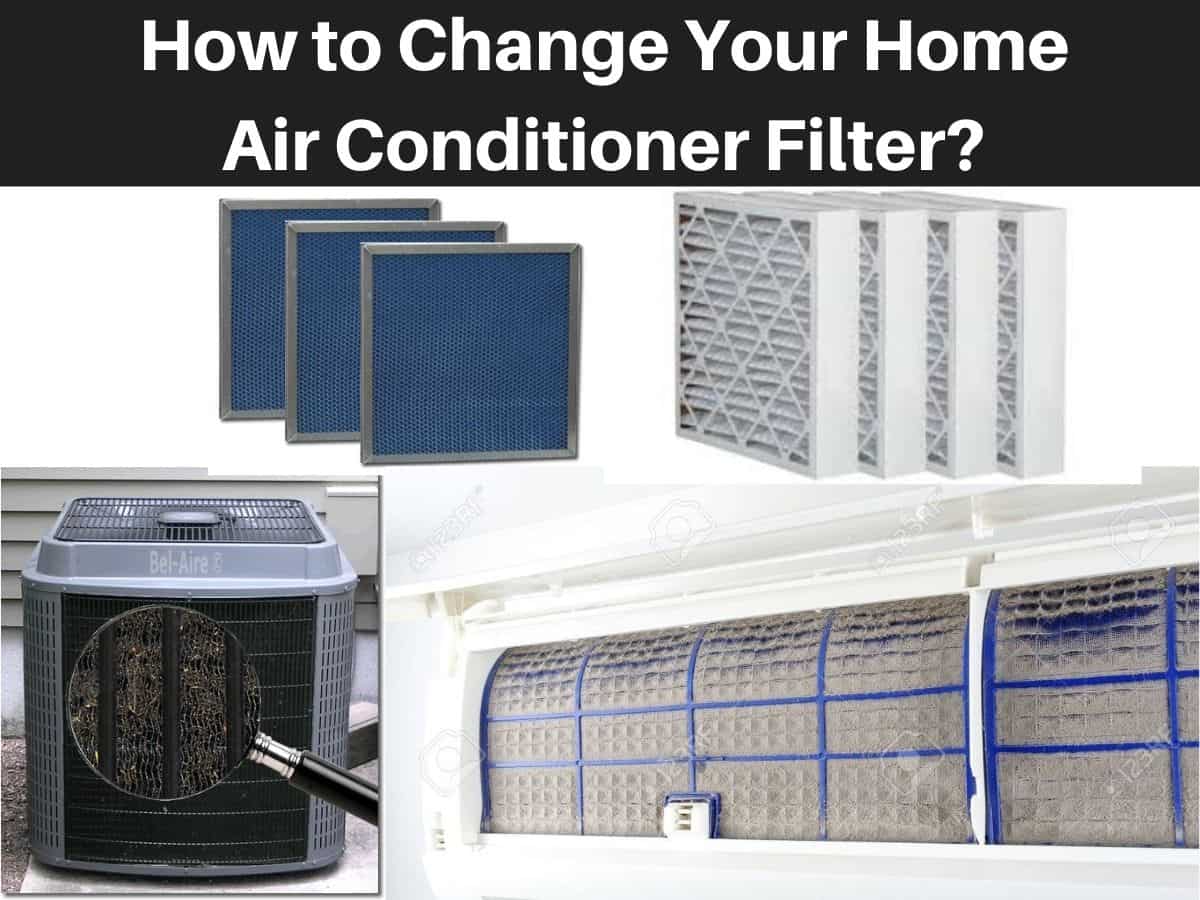
What Does A Filter Do For An Air Conditioner
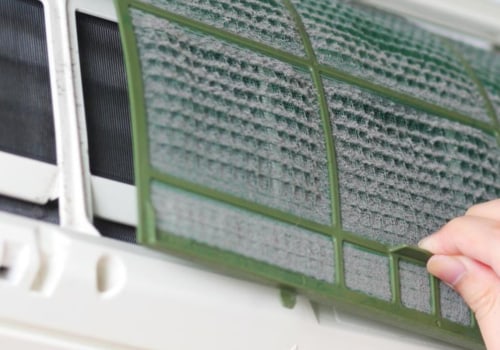
Let's face it, thinking about air conditioning isn't exactly the most thrilling topic. But when the summer heat is blazing and your AC is working overtime, suddenly knowing a little about how it all works becomes pretty darn interesting! And guess what? The humble air filter is a crucial component in keeping you cool and comfortable. So, let's dive in and uncover the secrets of this unsung hero.
At its core, an air conditioner filter does exactly what its name suggests: it filters the air. But what exactly is it filtering out? Think of all the nasty stuff floating around in your home: dust, pollen, pet dander (if you're a furry friend parent, you know!), mold spores, and even smoke particles. Your air conditioner sucks in this air to cool it down, but without a filter, all that gunk would get sucked into the inner workings of your AC unit. Yuck!
So, the primary purpose of an air conditioner filter is to protect your AC unit itself. By trapping those airborne particles, the filter prevents them from clogging up the delicate coils and components inside. A clogged AC unit is an inefficient AC unit. It has to work harder to cool the same amount of air, which leads to higher energy bills and a potentially shorter lifespan for your system. Think of it like this: your filter is the bouncer at the club, keeping the riff-raff out and allowing the cool air to flow freely.
Must Read
But the benefits don't stop there! A clean air filter also significantly improves the air quality in your home. By removing allergens and irritants, the filter helps to create a healthier and more comfortable environment for you and your family. This is especially important for people with allergies, asthma, or other respiratory conditions. Imagine breathing easier and sneezing less – all thanks to a simple filter!
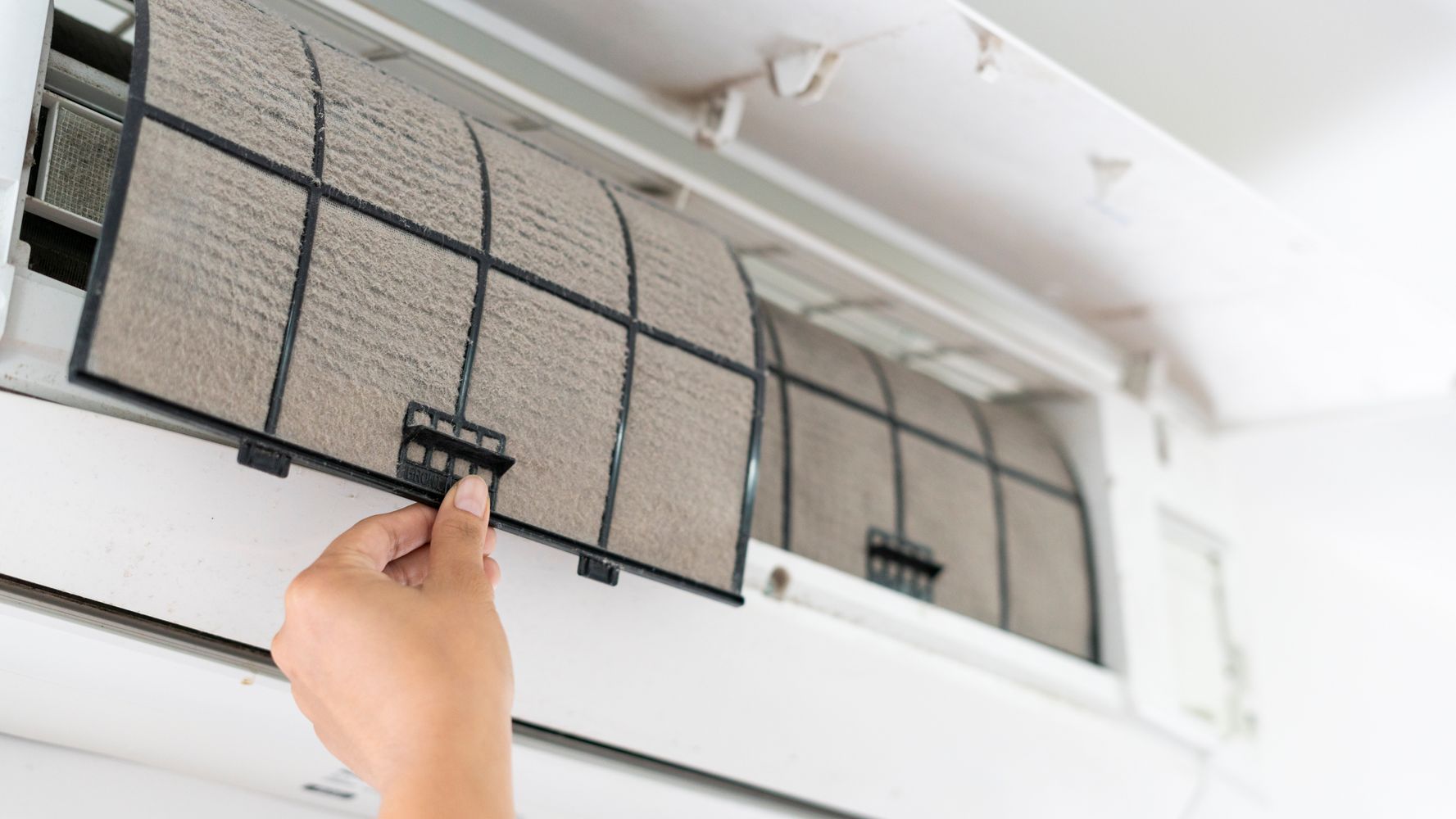
Choosing the right filter can seem daunting, but it doesn't have to be. Filters are typically rated by their Minimum Efficiency Reporting Value (MERV). Higher MERV ratings mean the filter can capture smaller particles. However, a very high MERV rating can also restrict airflow, so it's important to find a balance between filtration efficiency and airflow. A good starting point is a MERV rating of 8, but consult with an HVAC professional to determine the best filter for your specific needs and AC unit.
Finally, remember to change your air filter regularly! A dirty filter is an ineffective filter. How often you need to change it depends on factors like the type of filter, the size of your home, and whether you have pets. A good rule of thumb is to check it every month and replace it every one to three months. Setting a reminder on your phone or calendar can help you stay on track. So, give your AC filter some love – it's working hard to keep you cool, comfortable, and breathing easy!