What Do We Use Petroleum For
Ever fueled up your car, zipped open a plastic food container, or admired the sleek finish of your smartphone? While we often talk about petroleum in terms of headlines and energy debates, it's also the unseen architect behind countless conveniences we enjoy every single day. Think of it less as a raw commodity and more as a foundational ingredient that makes modern life tick. From keeping us warm to powering our travels and even creating the clothes on our backs, this versatile resource plays an incredibly pervasive role in our comfort and connectivity.
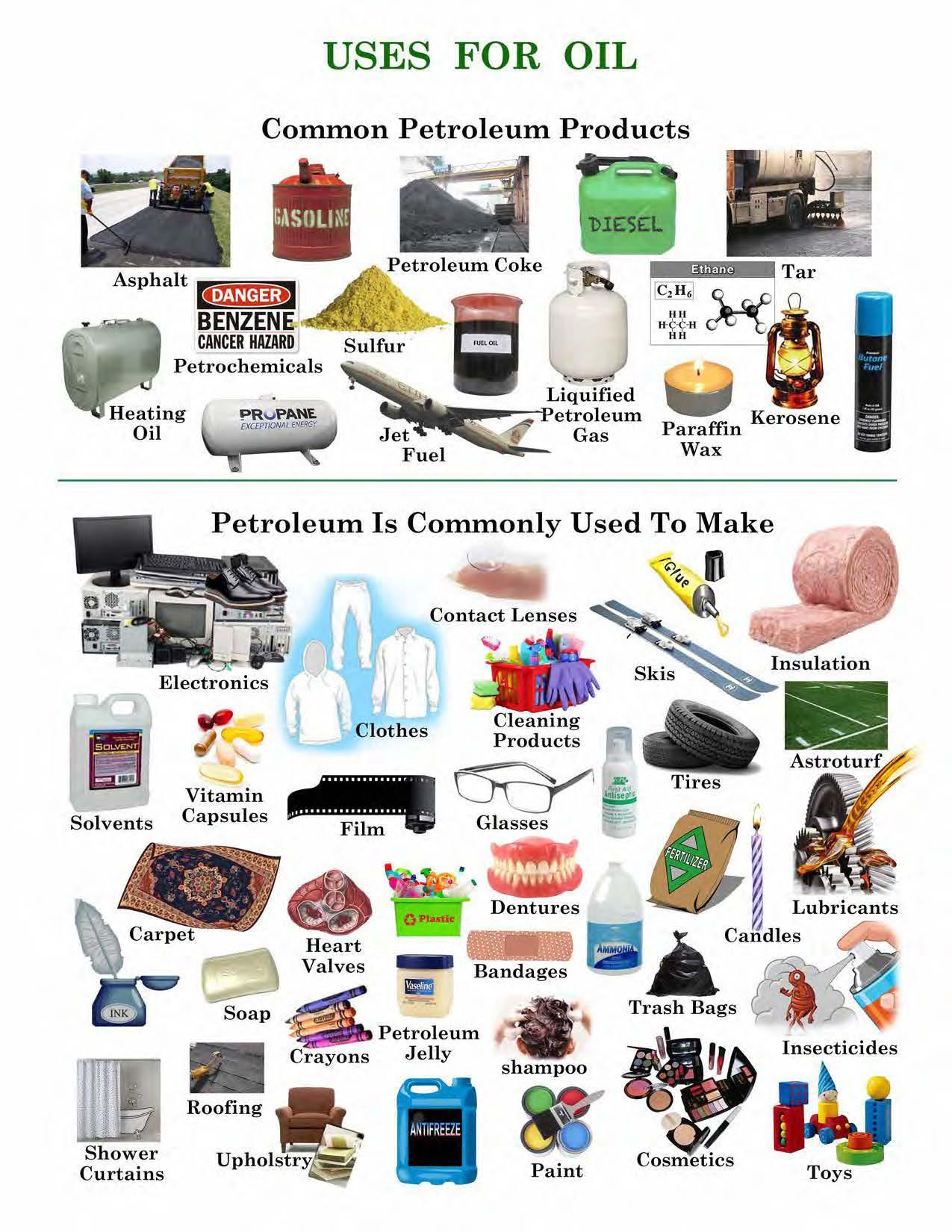
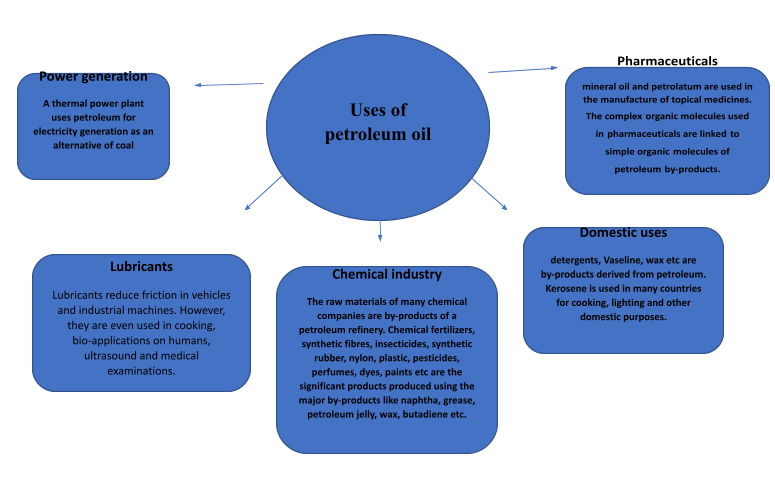
So, what exactly do we use petroleum for? The list is astonishingly broad. Its most well-known purpose is undoubtedly as a power source. Gasoline and diesel keep our cars, trucks, and buses moving, while jet fuel enables global travel and trade. It fires up power plants, heats our homes, and runs essential machinery in factories worldwide. Without petroleum, our modern transportation networks and much of our energy infrastructure simply wouldn't function as they do today. It's the literal fuel for our globalized, fast-paced world.
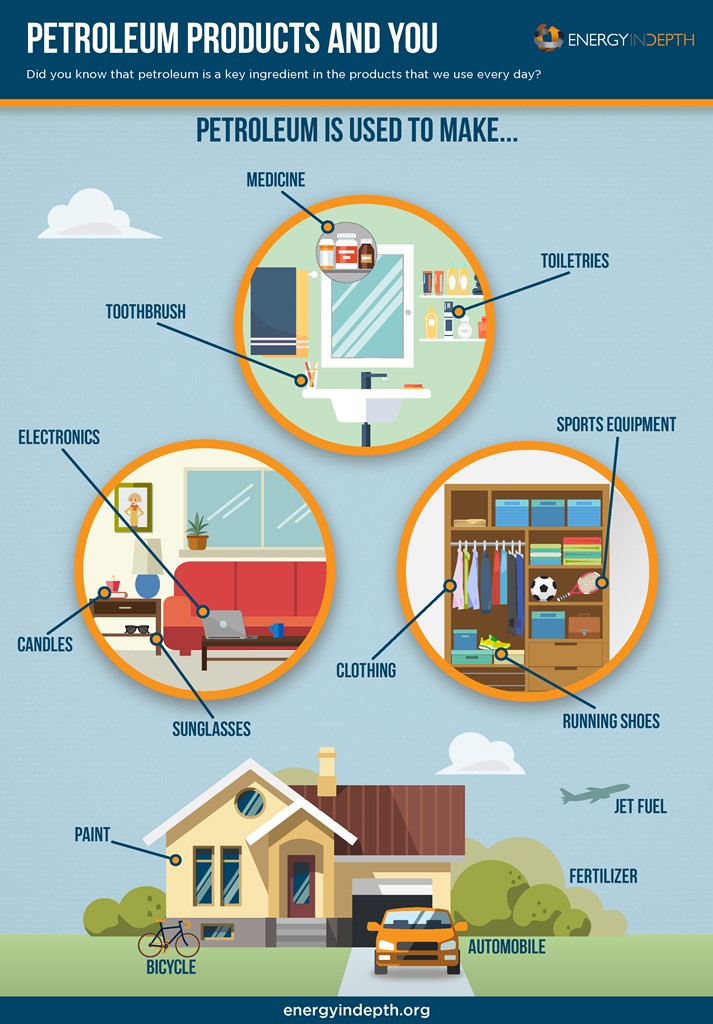
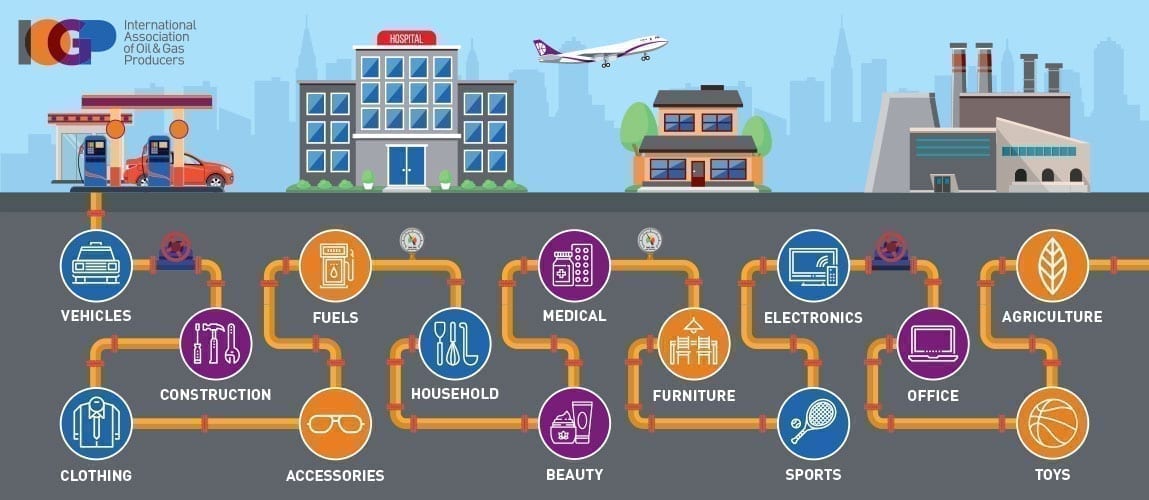
But petroleum's utility extends far beyond just burning for energy. It's also the fundamental building block for an incredible array of products we often take for granted. This is where the magic of petrochemicals comes in. Plastics, for instance, are derived from petroleum and are everywhere: your water bottle, computer casing, children's toys, and countless packaging materials. Synthetic fibers like polyester and nylon, found in much of our clothing, carpets, and upholstery, also owe their existence to petroleum. Beyond these, it's a key component in pharmaceuticals (think aspirin!), cosmetics, detergents, fertilizers, tires, asphalt for roads, roofing materials, paints, and even certain medical devices. Essentially, if you see something that's not natural wood, metal, or glass, there's a good chance petroleum played a part in its creation.
Must Read
To "enjoy" petroleum more effectively – or rather, to appreciate its role and engage with it thoughtfully – here are a few practical tips. Firstly, become more aware of its presence. Look around your home; how many items are plastic or contain synthetic materials? Understanding this ubiquity can foster a deeper appreciation for the complex supply chains that bring these goods to us. Secondly, practice mindful consumption. Since many products containing petroleum are disposable (like single-use plastics), consider reducing, reusing, and recycling to lessen demand and waste. Maintain your vehicles and heating systems; efficient use means less fuel consumed and better performance. Finally, stay informed about renewable energy and alternative material innovations. While petroleum remains vital, understanding the advancements in sustainable solutions helps us collectively move towards a more balanced future. Recognizing its role, both as a benefit and a challenge, is the first step towards a more informed and sustainable enjoyment of modern life's conveniences.