What Do I Need To Weld Aluminium

Ever gazed at a sleek, minimalist aluminum bike frame, a modern art sculpture, or even the skin of an airplane, and thought, "I wonder how they made that so... seamless?" There's a certain magic to aluminum, a lightweight wonder that's both incredibly strong and famously tricky to join. But don't let its reputation intimidate you! With the right gear and a dash of patience, you too can embark on the satisfying journey of welding aluminum.
Think of it like learning to cook a gourmet meal after mastering scrambled eggs. It requires specific tools and a nuanced approach, but the reward – creating something beautiful, strong, and lasting – is utterly worth it. So, what exactly do you need to add this impressive skill to your repertoire?
The Star of the Show: Your Welder
When it comes to aluminum, your standard DC (Direct Current) welder, perfect for steel, simply won't cut it. You need a machine capable of alternating current. Why? Aluminum forms an oxide layer, a kind of invisible skin, almost instantly when exposed to air. This layer has a much higher melting point than the aluminum beneath it. DC power struggles to penetrate and clean this layer effectively.
Must Read
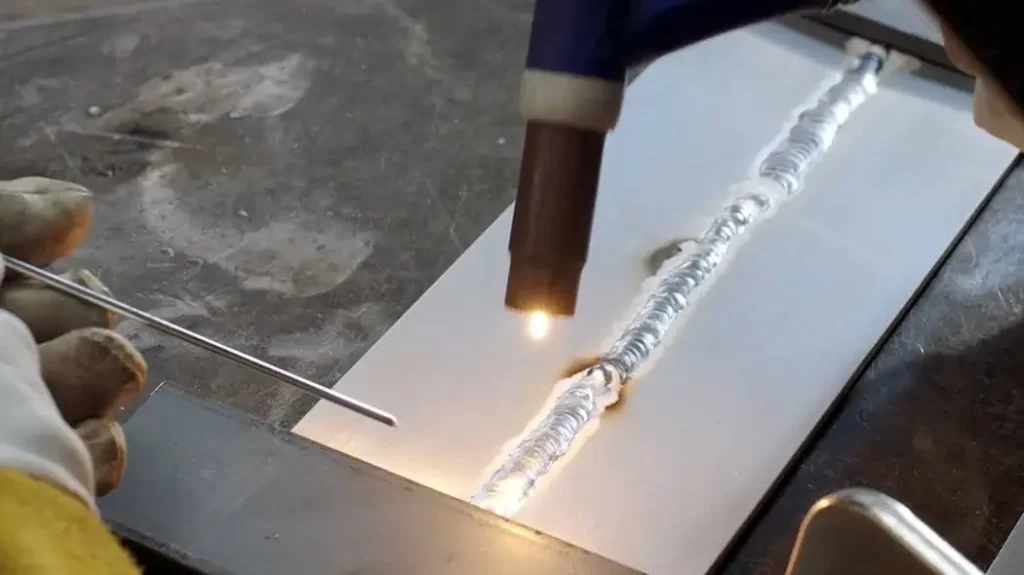
Enter AC TIG welding. This is your go-to. The AC current has a unique "cleaning action" that blasts away that stubborn oxide layer during the negative half of the cycle, allowing the positive half to melt the pure aluminum beneath. It’s like having a microscopic scrub brush integrated into your electricity! You'll want a machine with high-frequency start to avoid touching the tungsten to the workpiece, keeping things ultra-clean and precise.
Gas, Please!
No welding party is complete without the right atmosphere, and for aluminum, that means a bottle of 100% pure Argon shielding gas. Argon is an inert gas, meaning it won't react with the molten aluminum, protecting your weld puddle from atmospheric contaminants like oxygen and nitrogen, which would otherwise lead to porosity (those annoying little holes) and a weak, ugly weld. Think of it as a invisible force field for your molten metal.
The Right Rod for the Job
Just like matching wine to cheese, you need to match your filler rod to your base metal. For aluminum, this means using aluminum filler rods. Common choices include 4043 (great for general-purpose work and crack resistance) or 5356 (stronger, good for marine applications, and anodizes well). The key is to match the alloy closest to what you're welding for optimal strength and compatibility. It’s like choosing the right glue for a specific type of plastic – crucial for a strong bond.
Tungsten: The Electric Pencil
In TIG welding, the arc is created by a non-consumable tungsten electrode. For AC aluminum, you'll typically use either pure tungsten (green tip) or zirconiated tungsten (brown tip). These types are designed to form a nice, rounded "ball" at the tip during AC welding, which helps stabilize the arc and provides that essential cleaning action. Different from the sharp point you'd use for DC steel!

Beyond the Machine: Essential Accessories
Your journey doesn't stop at the welder. Safety and preparation are paramount:
- Personal Protective Equipment (PPE): This is non-negotiable! A good auto-darkening welding helmet (preferably one designed for TIG, which are often more sensitive to lower amperages), heat-resistant welding gloves (thinner ones often preferred for TIG for better dexterity), a welding jacket or heavy clothing, and safety glasses are your guardians against intense light and heat.
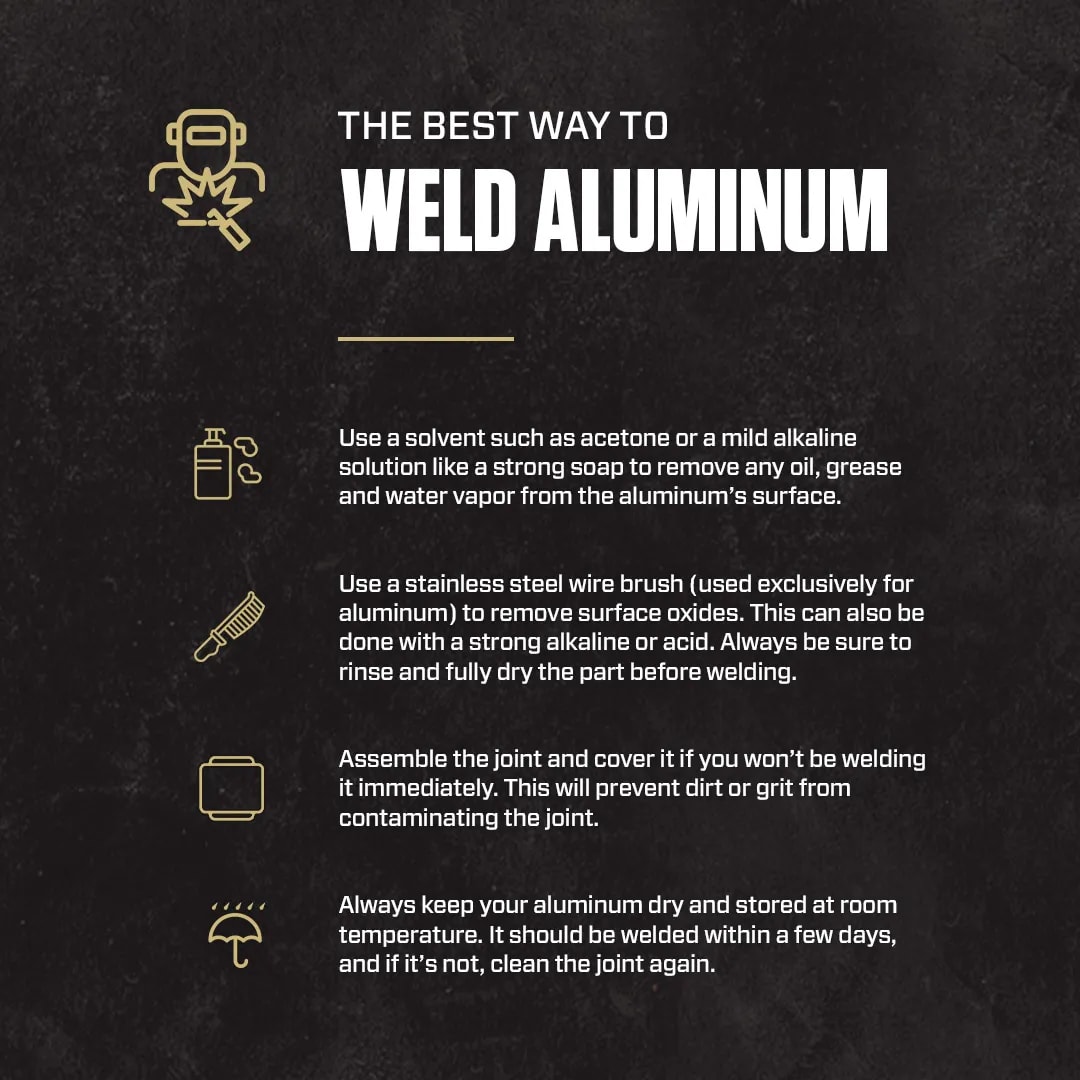
- Wire Brush (Stainless Steel, Dedicated!): This is a big one. Aluminum needs to be incredibly clean. Use a brand-new, dedicated stainless steel wire brush (never one that has touched steel!) to scrub off that oxide layer right before welding. Cross-contamination is aluminum's nemesis.
- Acetone or Degreaser: Before brushing, clean the surface with a good degreaser to remove any oils, grease, or dirt. Cleanliness truly is next to weld-liness here.
- Grinder (with Dedicated Aluminum Disc): Sometimes you need to bevel edges or remove heavy oxidation. Again, use a dedicated disc for aluminum to prevent contamination.
A Few More Pointers for the Aspiring Aluminum Artisan
Aluminum dissipates heat incredibly fast, so sometimes a little preheating can help, especially on thicker pieces. Also, remember that aluminum doesn't glow red like steel when it's hot, so it can be deceptively tricky to gauge its temperature. Patience and practice are your best friends here!
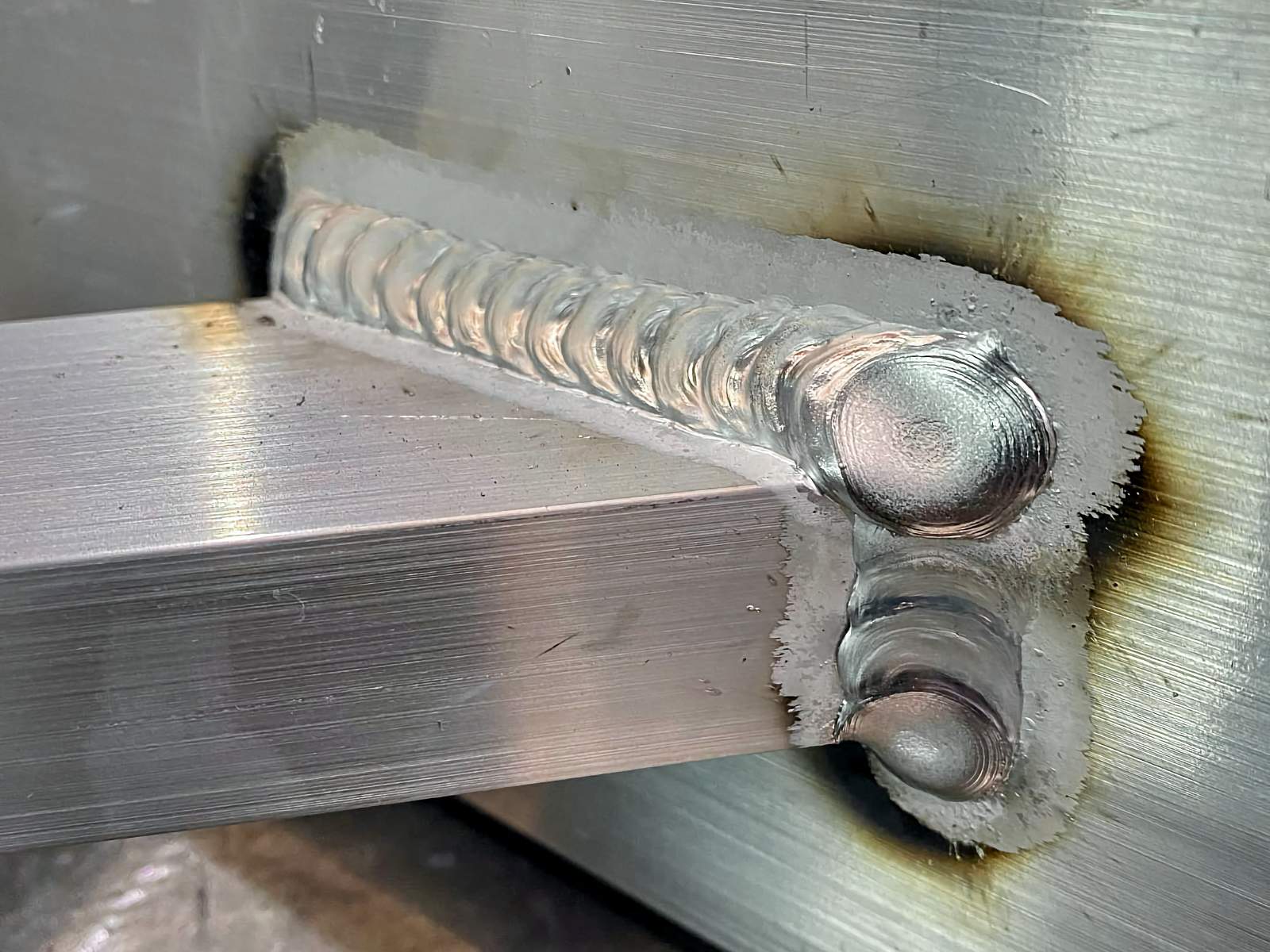
From aerospace marvels to the sleekest kitchenware, aluminum's versatility is undeniable, and mastering its fusion opens up a world of creative possibilities. It might take a bit more finesse than welding steel, but the satisfaction of laying down that perfect stack of dimes on a shimmering aluminum surface? Priceless.
Just like learning to weld aluminum teaches you the importance of precision, preparation, and perseverance, so too does life. Some challenges seem harder than others, demanding specific tools and a refined approach. But with the right mindset and a willingness to learn, you can tackle anything, forging strength and beauty from what once seemed unmanageable. Go ahead, make something cool!