What Do Greenhouse Gasses Do To The Atmosphere
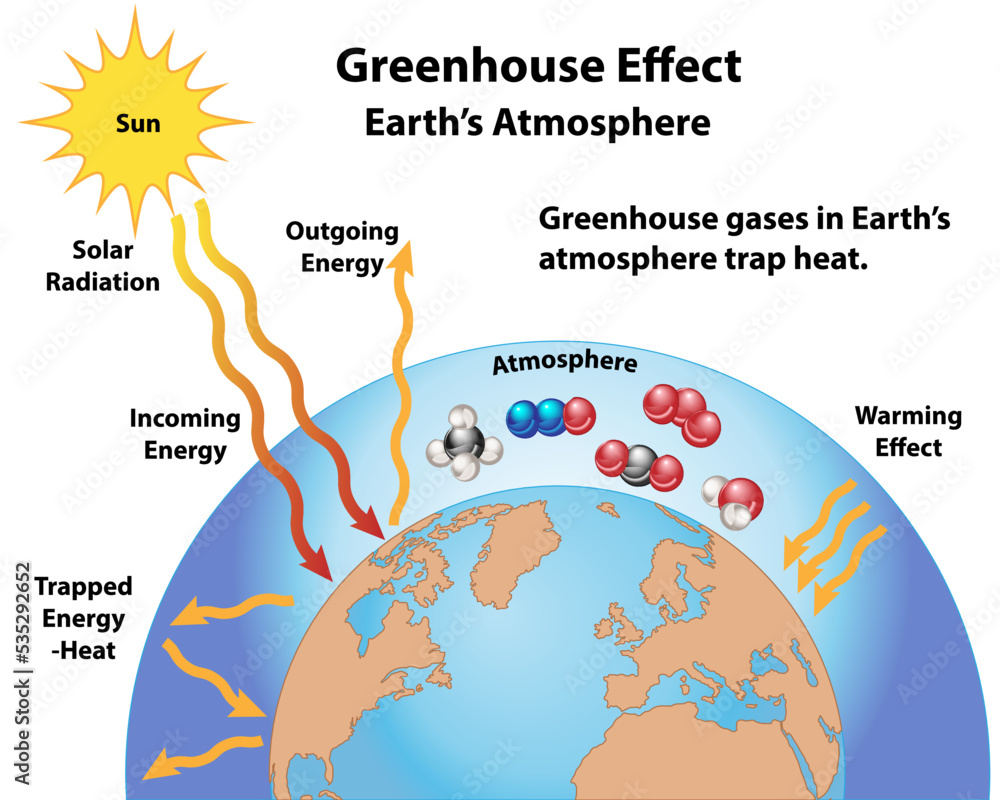
Okay, picture this: You're in a car on a sunny day. Windows are rolled up. It feels nice at first, but after a while, it starts getting really toasty, right? You're basically baking in your own personal oven. That, my friends, is a miniature version of what's happening to our planet, and greenhouse gasses are the culprits.
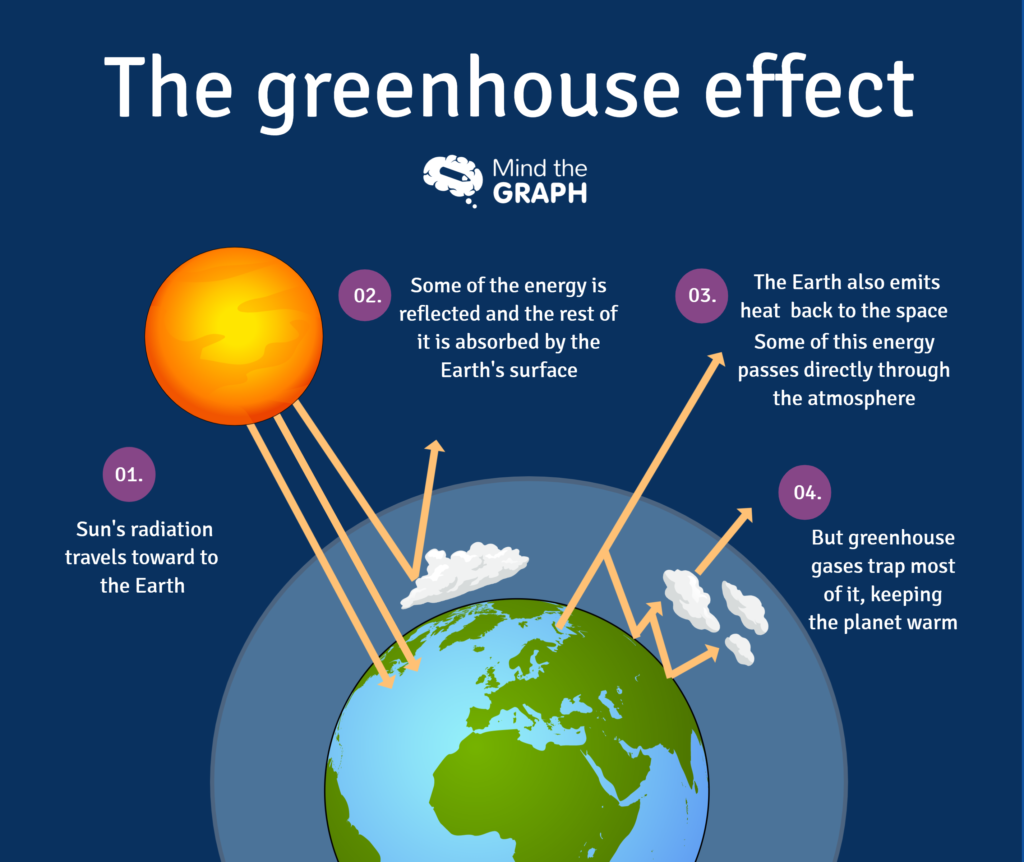
See, the Earth gets its energy from the sun. Sunlight beams down, some of it gets absorbed by the land and oceans, warming things up. The rest bounces back into space as heat (infrared radiation, if you wanna get technical). But here's where those pesky greenhouse gasses come in.
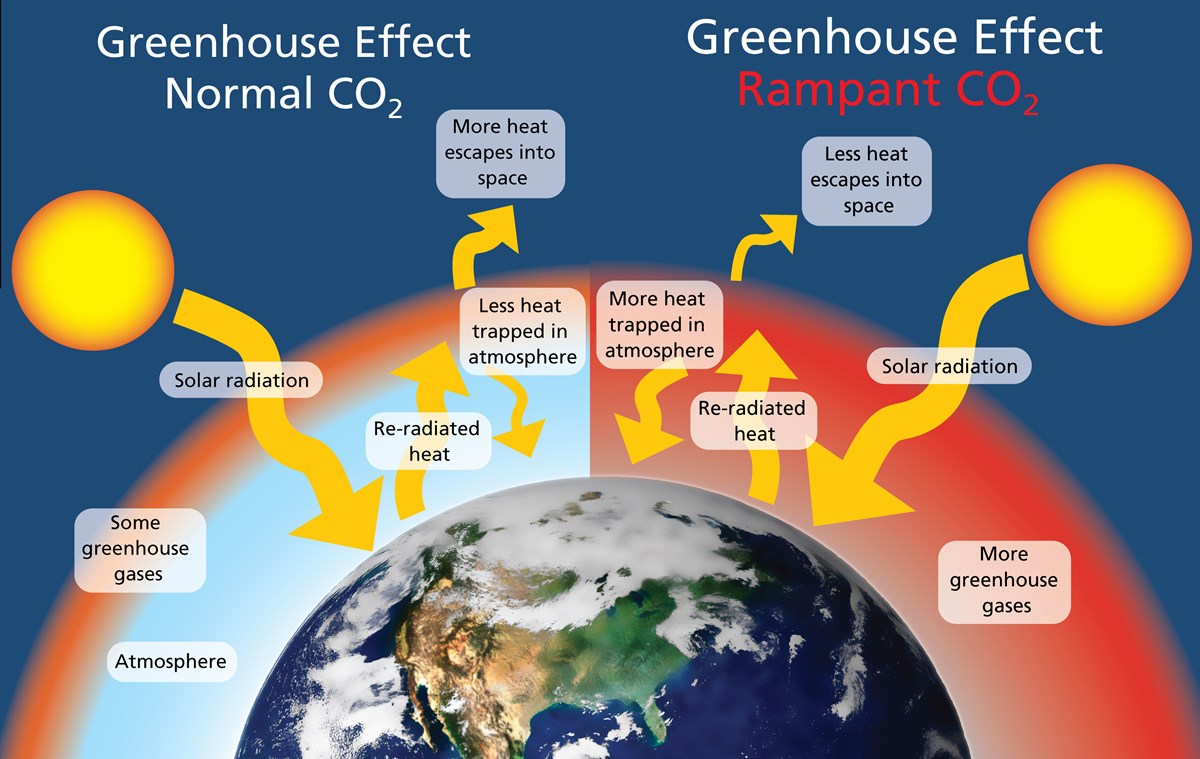
Greenhouse gasses act like that car's windows. They let the sunlight in, no problem. But when the heat tries to escape back into space, they trap some of it. Think of it as the Earth wearing a slightly too-thick blanket. It's cozy at first, but you quickly start to overheat, right? Same idea!
Must Read
Now, a little bit of greenhouse effect is actually a good thing. Seriously! Without it, Earth would be a frozen wasteland – think Hoth from Star Wars, but, you know, less cool (pun intended!). We need some insulation to keep things habitable. It's all about balance, folks.
But here’s the problem: We're pumping way too many extra greenhouse gasses into the atmosphere, mainly through burning fossil fuels (coal, oil, and gas) for energy. Deforestation also plays a big role, because trees absorb carbon dioxide, a major greenhouse gas, so when we cut them down, we're removing a natural way to soak it up. (Ironic, huh? We’re chopping down the planet's AC units!) Agricultural practices, like certain types of farming, contribute too.

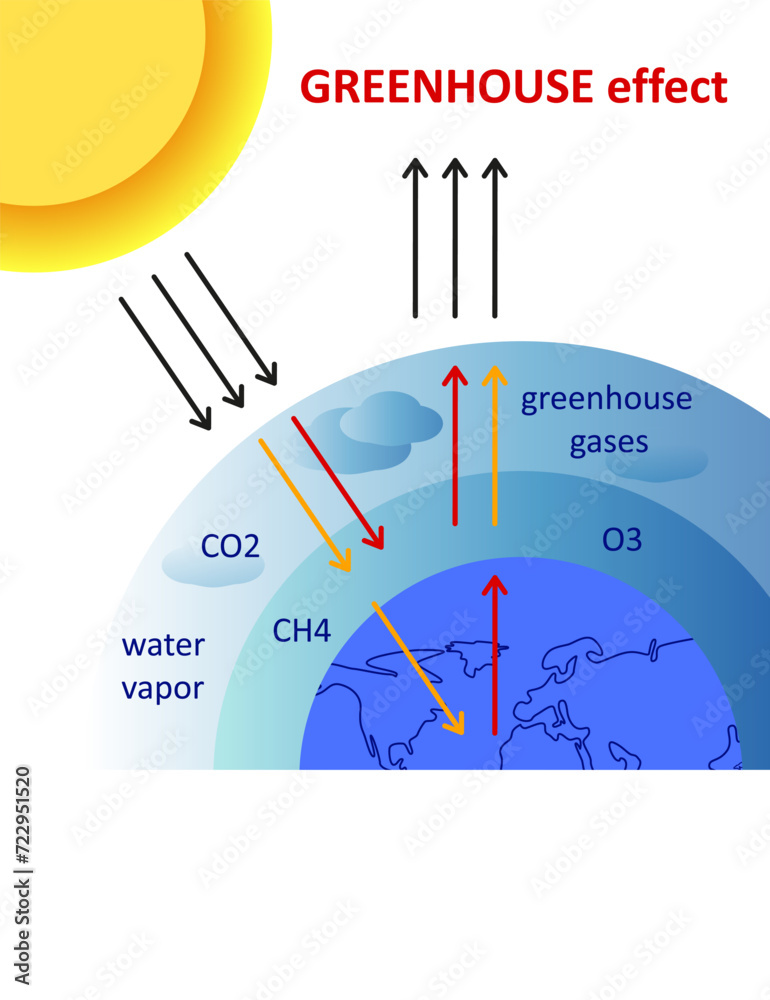
What are these infamous greenhouse gasses, you ask? Well, the biggest ones are:
- Carbon Dioxide (CO2): The OG. Released when we burn fossil fuels, cut down forests, and through some industrial processes. It hangs around in the atmosphere for a long time – centuries, even!
- Methane (CH4): Way more potent than CO2, but thankfully doesn't last as long. Comes from things like natural gas leaks, livestock farming (yes, cow burps are a problem!), and decomposing organic matter. Who knew cow burps could be so impactful?
- Nitrous Oxide (N2O): Another powerful one. Released from agricultural activities, industrial processes, and burning fossil fuels.
- Fluorinated Gasses: These are synthetic gasses used in things like refrigerants and industrial processes. They're often extremely potent greenhouse gasses, sometimes thousands of times stronger than CO2!
Okay, so what's the big deal? Why should I care?
Fair question! The buildup of these gasses causes global warming, which leads to a whole bunch of problems:
- Rising temperatures: This is the most obvious one. We're seeing hotter summers, more frequent heatwaves, and generally warmer average temperatures around the world.
- Melting ice: Glaciers and ice sheets are melting at an alarming rate, contributing to sea level rise. Imagine coastal cities getting flooded – not a pretty picture!
- Sea level rise: As the oceans warm, they expand, and all that melting ice adds even more water. This threatens coastal communities and ecosystems.
- Changes in weather patterns: We're seeing more extreme weather events, like stronger hurricanes, more intense droughts, and heavier rainfall in some areas. Basically, weather is getting weird and unpredictable.
- Ocean acidification: The ocean absorbs a lot of CO2 from the atmosphere, which makes it more acidic. This can harm marine life, especially shellfish and coral reefs.
Basically, the whole Earth system is getting thrown out of whack, and that has consequences for everyone and everything that lives here.
Now, I know this all sounds pretty grim. But don't despair! The good news is that we can do something about it. The first step is understanding what's going on. So, congratulations, you're already on your way! From reducing our own carbon footprint to advocating for policy changes that promote clean energy, every little bit counts. Stay informed, stay engaged, and let's work together to create a more sustainable future. We owe it to ourselves, to future generations, and, let’s be honest, to the planet that houses us all!