
What Do Greenhouse Gases Do To The Environment
Hey everyone! Ever wondered what all the buzz about greenhouse gases is about? Like, we hear about them all the time, but what do they actually do? It’s not some mystical force field, I promise! Let's break it down in a super chill way, no complicated science jargon allowed.
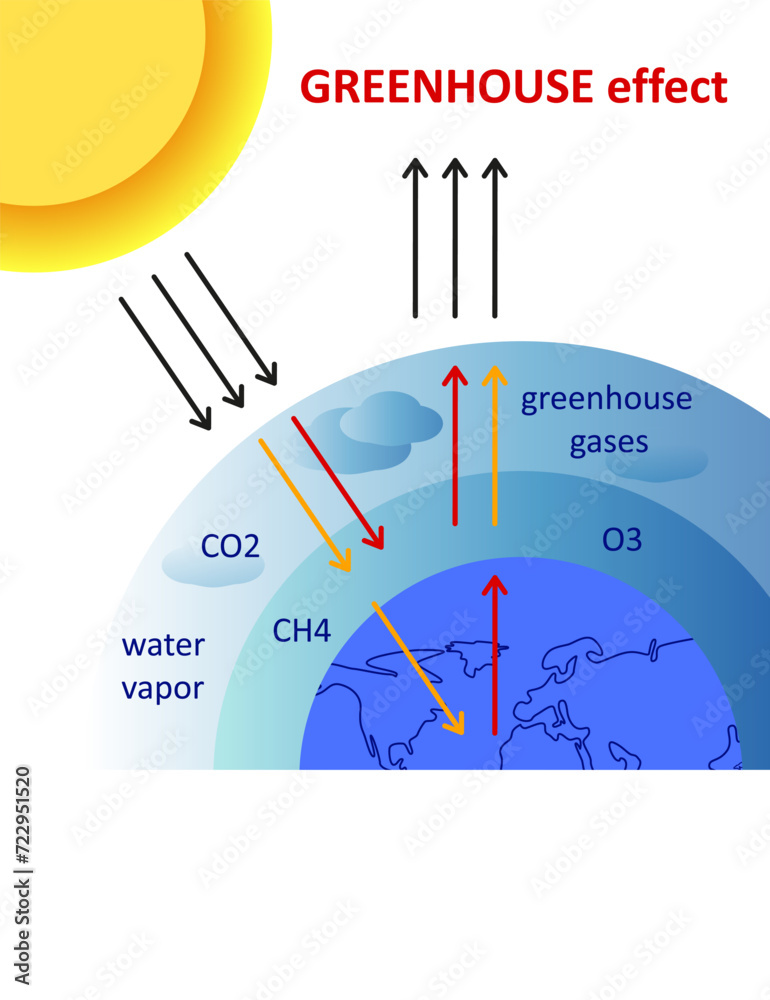
Basically, greenhouse gases are like a giant, invisible blanket wrapped around our planet. But is a blanket always a good thing? Well, in this case, it can be a bit of a mixed bag. Think of it like this: a thin blanket on a cool night? Cozy and perfect. A thick, heavy blanket on a summer day? Not so much. You'd be sweating like crazy!
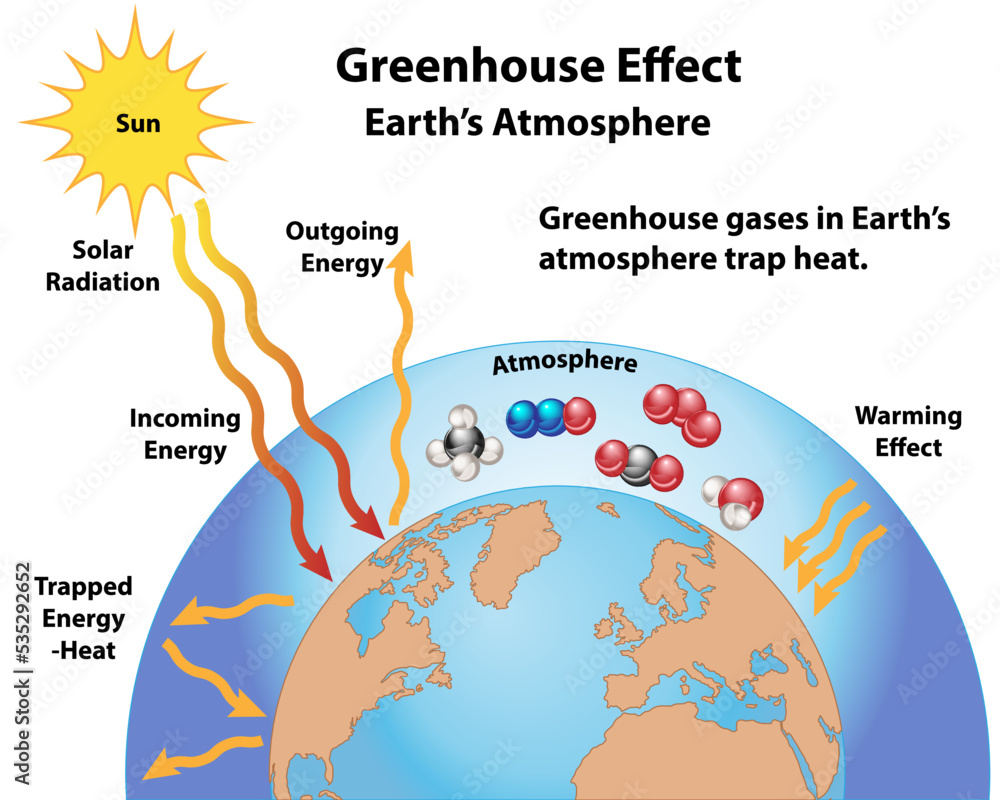
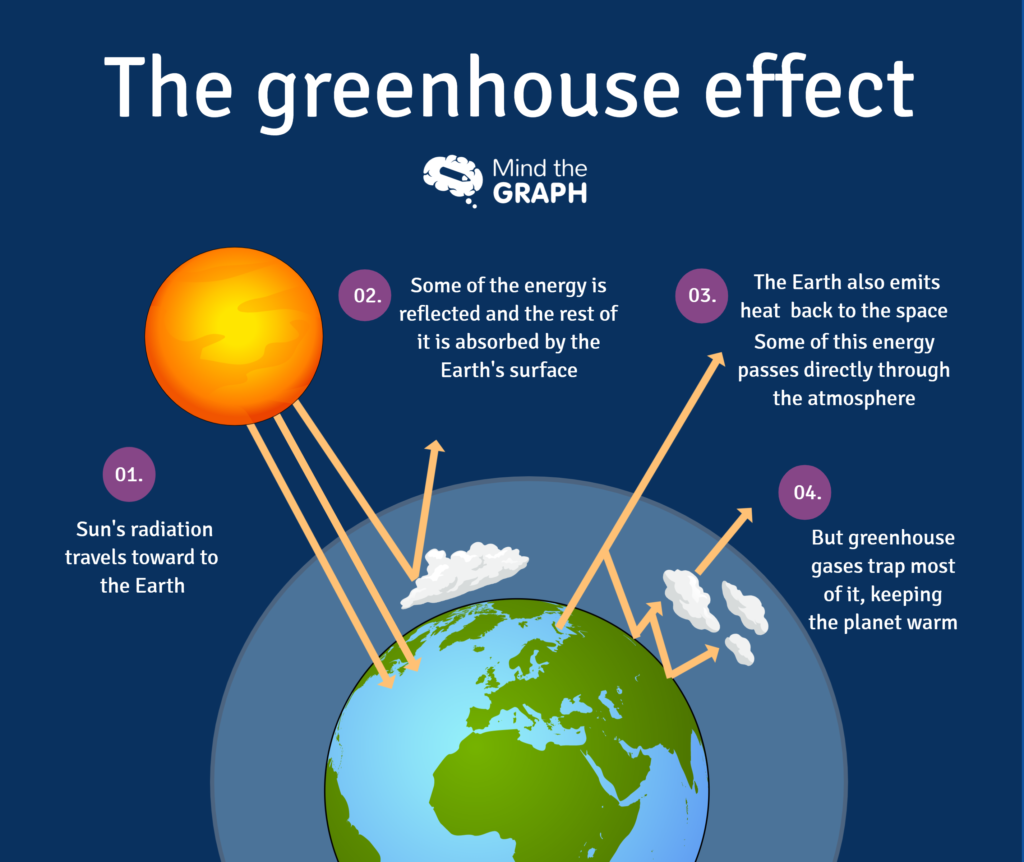
So, what are these greenhouse gases? They're naturally occurring gases in the atmosphere, including water vapor, carbon dioxide (CO2), methane, and nitrous oxide. Without them, Earth would be a frozen wasteland, uninhabitable for pretty much everything we know and love. They trap some of the sun’s heat, keeping our planet at a comfy temperature. So, in a way, they’re essential! Key takeaway: They aren't inherently bad.
Must Read
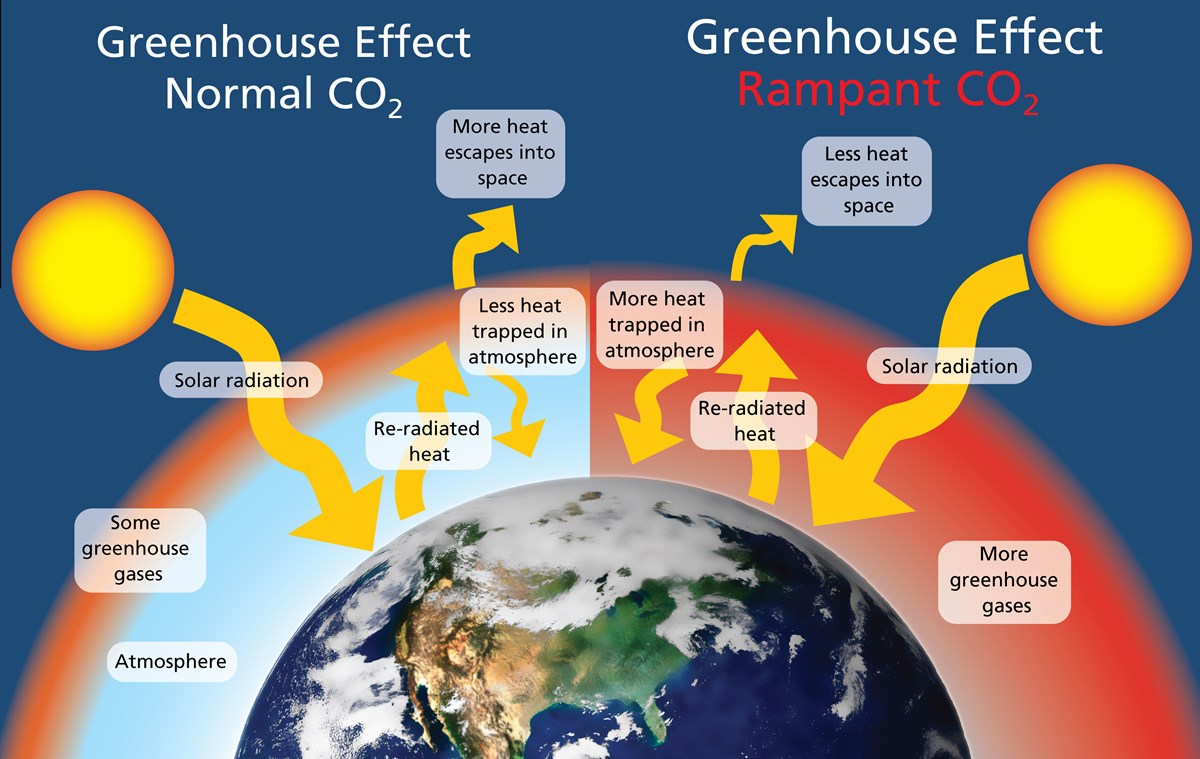
But here's where things get a little wonky. The problem isn't that greenhouse gases exist, it's that we're pumping way too much of them into the atmosphere, primarily through burning fossil fuels (like coal, oil, and gas) for energy, deforestation, and some agricultural practices. Think of it like adding more and more layers to that blanket! It gets thicker and thicker, trapping more and more heat.
So, What's the Big Deal?
Good question! All that extra heat being trapped leads to a whole host of environmental changes, many of which aren't exactly awesome. We're talking about global warming, which is the long-term heating of Earth's climate system observed since the pre-industrial period (between 1850 and 1900) due to human activities.

What does global warming mean in practice? Well, imagine leaving an ice cream cone out in the sun. What happens? It melts, right? The same thing is happening to glaciers and ice sheets around the world. They’re melting at an alarming rate, contributing to rising sea levels. Think coastal cities like Miami, New York, and even entire island nations facing the prospect of being underwater. Not cool at all!
And it doesn't stop there. That extra heat also fuels more extreme weather events. Think more frequent and intense heat waves, droughts, floods, and storms. It's like the Earth is throwing a massive tantrum because we're messing with its thermostat!
Think of it this way: A slight fever can make you feel pretty crummy. Now imagine Earth running a constant, low-grade fever. That’s the effect of too many greenhouse gases.
More Than Just Temperature
It's easy to focus solely on temperature, but the effects of greenhouse gases are far more widespread. The ocean absorbs a huge amount of CO2 from the atmosphere. Sounds good, right? Not entirely. When CO2 dissolves in seawater, it makes the ocean more acidic. This is called ocean acidification, and it's seriously bad news for marine life, especially shellfish and coral reefs. Coral reefs are like underwater cities teeming with life, and ocean acidification is like a wrecking ball smashing them to pieces.
And what about plants and animals? As the climate changes, habitats shift, and some species struggle to adapt. Some might be able to move to cooler areas, but others might not. This can lead to habitat loss and even extinction. We're talking about the potential for a major biodiversity crisis, which would impact the entire ecosystem, including us!
But It's Not All Doom and Gloom!
Okay, so it sounds pretty dire, right? But here’s the good news: we can do something about it! The coolest thing is that we have the power to turn things around. How? By reducing our greenhouse gas emissions!
Here are a few ideas:
- Switching to renewable energy sources like solar, wind, and geothermal.
- Improving energy efficiency in our homes and buildings.
- Adopting more sustainable transportation options like electric vehicles, biking, and public transit.
- Eating less meat (especially beef), as livestock farming is a major source of methane.
- Supporting policies and initiatives that promote climate action.
It's not about being perfect; it's about making conscious choices to reduce our impact on the planet. Every little bit helps! Think of it like this: if everyone chipped in a few dollars, we could raise a ton of money, right? The same principle applies to reducing greenhouse gas emissions.
So, there you have it! Greenhouse gases: essential, but potentially problematic. By understanding what they do and how our actions contribute to the problem, we can start to make a difference. Let’s work together to keep our planet healthy and habitable for future generations. Let’s aim for the perfect blanket – not too thick, not too thin, just right!