What Do Green House Gases Do

Ever wondered why our planet Earth isn't a giant frozen snowball? Or why some days feel like a cozy, warm hug even in winter? The secret lies in something super important and often misunderstood: greenhouse gases. Far from being scary villains, these gases are actually vital for life as we know it, playing the role of our planet's natural, invisible blanket. Understanding them isn't just for scientists; it's a fun and useful way to appreciate the incredible balancing act that keeps our world just right. It helps us make sense of daily weather reports, global climate discussions, and even how our gardens grow!
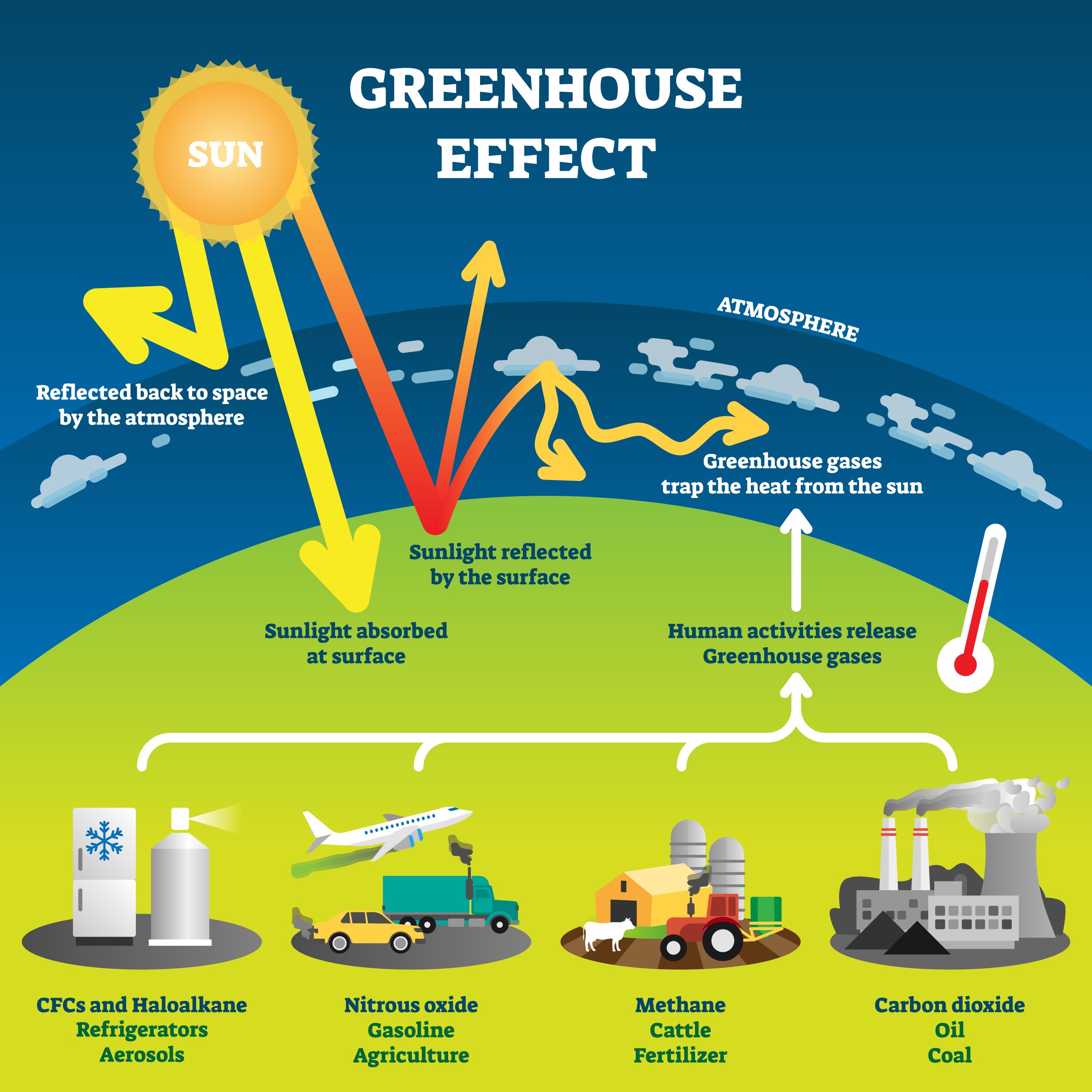
So, what exactly do these amazing gases do? Imagine Earth without them: all the sun's warmth would simply bounce off into space, leaving us frigid and lifeless. Greenhouse gases, like tiny heat-trapping superheroes, catch some of that warmth and reflect it back down, keeping our planet's average temperature at a comfy 15°C (59°F). This is the natural greenhouse effect, essential for making Earth hospitable. For beginners, think of it as the planet's thermostat. Families can use this to explain why a car gets so hot in the sun, or why a garden greenhouse helps plants thrive. Even hobbyists, like gardeners and weather watchers, gain a deeper appreciation for how atmospheric chemistry influences growth and local weather.
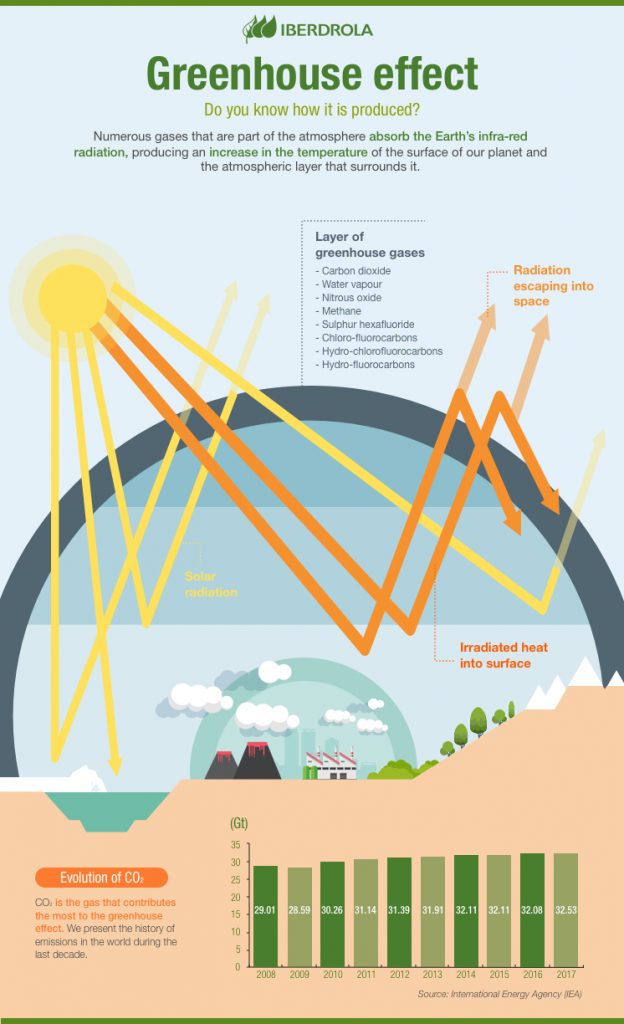

Let's meet the key players. The main natural greenhouse gas is water vapor (making clouds!). Then there's carbon dioxide (CO2) from breathing and volcanoes, methane (CH4) from wetlands and digestion, and nitrous oxide (N2O) from soil. These gases form a delicate atmospheric layer. The challenge arises when human activities—like burning fossil fuels or large-scale agriculture—add too much of these gases. This is like piling too many blankets on your bed, making it uncomfortably hot. This human-enhanced greenhouse effect causes our planet to warm beyond its natural balance, influencing weather, sea levels, and ecosystems globally.
Must Read
Ready to see this in action? Here are simple, practical tips! First, try a mini-greenhouse experiment: place a thermometer inside a sealed clear plastic bag or jar in direct sunlight, and another uncovered beside it. You'll quickly feel the trapped air warm up! Second, notice how cloud cover (water vapor!) affects night-time temperatures. Cloudy nights are often warmer because clouds act like an extra blanket. Third, explore reliable sources like NASA or NOAA websites for fantastic, easy-to-understand explanations and visuals. Simply being aware of the air around us and its behavior is a great starting point.
Understanding what greenhouse gases do isn't about complex science; it's about appreciating the incredible, intricate systems that make life on Earth possible. It’s a fascinating insight into our planet's natural engineering and a reminder of the delicate balance we all share. By grasping these basic concepts, you'll not only feel more informed but also gain a deeper connection to the amazing world right outside your window. It truly brings the big picture of climate science down to an understandable, enjoyable level for everyone.