What Do Fish Do In The Winter

As the days grow shorter and the air bites with a crisp chill, we often find ourselves reaching for chunky knits, warming mugs, and the cozy embrace of a roaring fire. Our furry friends snuggle up for long naps, and many creatures head south or burrow deep for a long winter’s sleep. But have you ever paused, mid-shiver, and wondered: what do fish do when winter rolls around?
It’s a fascinating question, especially when you consider the tranquil surface of a frozen pond or lake. Below that icy veneer, an entire aquatic world is still humming along, albeit at a much, much slower pace. Unlike us warm-blooded humans, fish are poikilothermic – a fancy scientific term meaning their body temperature pretty much matches their environment. So, when the water gets cold, they get cold too, and that kicks off a whole cascade of adaptations.
The Big Chill: Slowing Down to Survive
Imagine your metabolism hitting the brakes, hard. That’s essentially what happens to fish in winter. As water temperatures drop, their metabolic rate — the speed at which their bodies use energy — slows down significantly. This means they need far less food and expend much less energy, allowing them to conserve their precious reserves until spring.
Must Read
Most freshwater fish, like your common bass, perch, or bluegill, don’t hibernate in the same way a bear does. Instead, they enter a state of torpor, a kind of deep lethargy. They become far less active, moving sluggishly if at all, and often finding refuge in the deeper, more stable parts of a lake or pond. Think of it as a prolonged chill-out session, but with much higher stakes.
Seeking Sanctuary: Where the Cool Kids Go
So, where exactly do they go? It’s not a secret underwater chalet, unfortunately. They seek out the warmest (or least cold) spots available. In most bodies of water, the deepest areas remain relatively warmer and more stable than the surface, especially when ice forms. Water is densest at about 39°F (4°C), so this slightly warmer water sinks to the bottom, providing a vital refuge. You might find them huddled together, sometimes almost motionless, near the bottom sediment or tucked among submerged logs and rocks.

Some fish, like carp or catfish, take it a step further. They might burrow partially into the mud at the bottom, using it as insulation and camouflage. It's like pulling a cozy mud blanket over themselves for the season!
The Winter Menu (or Lack Thereof)
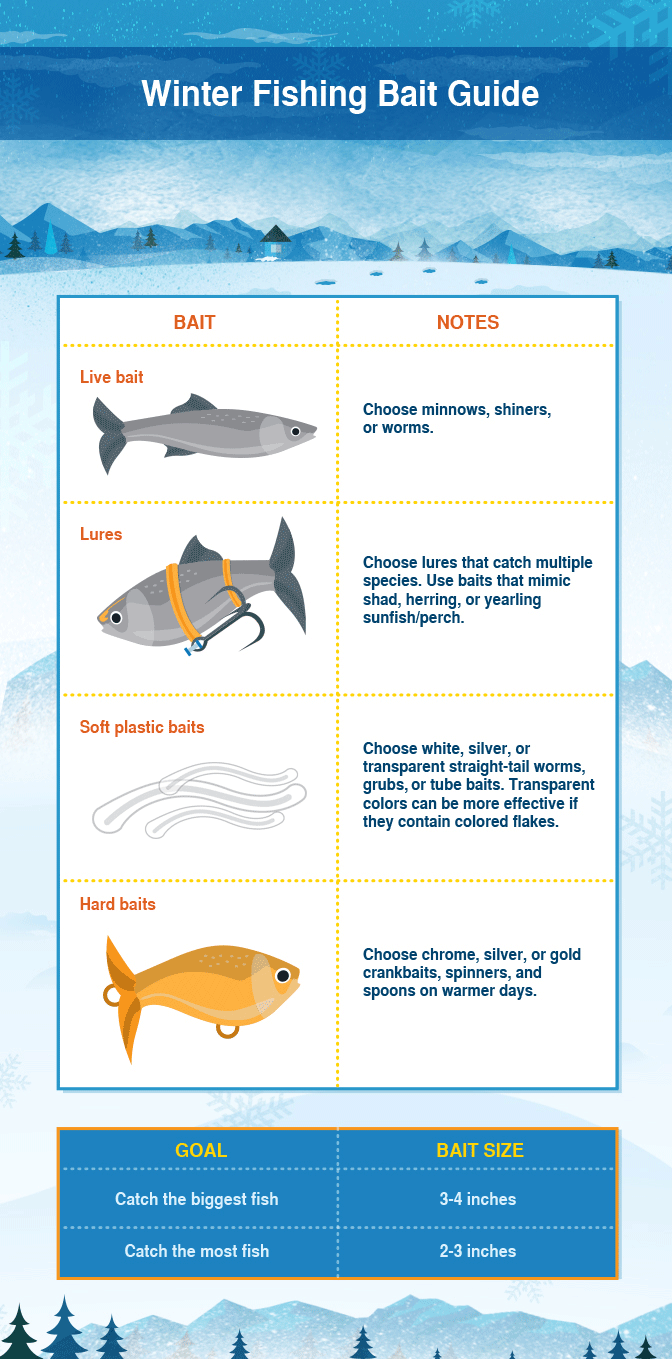
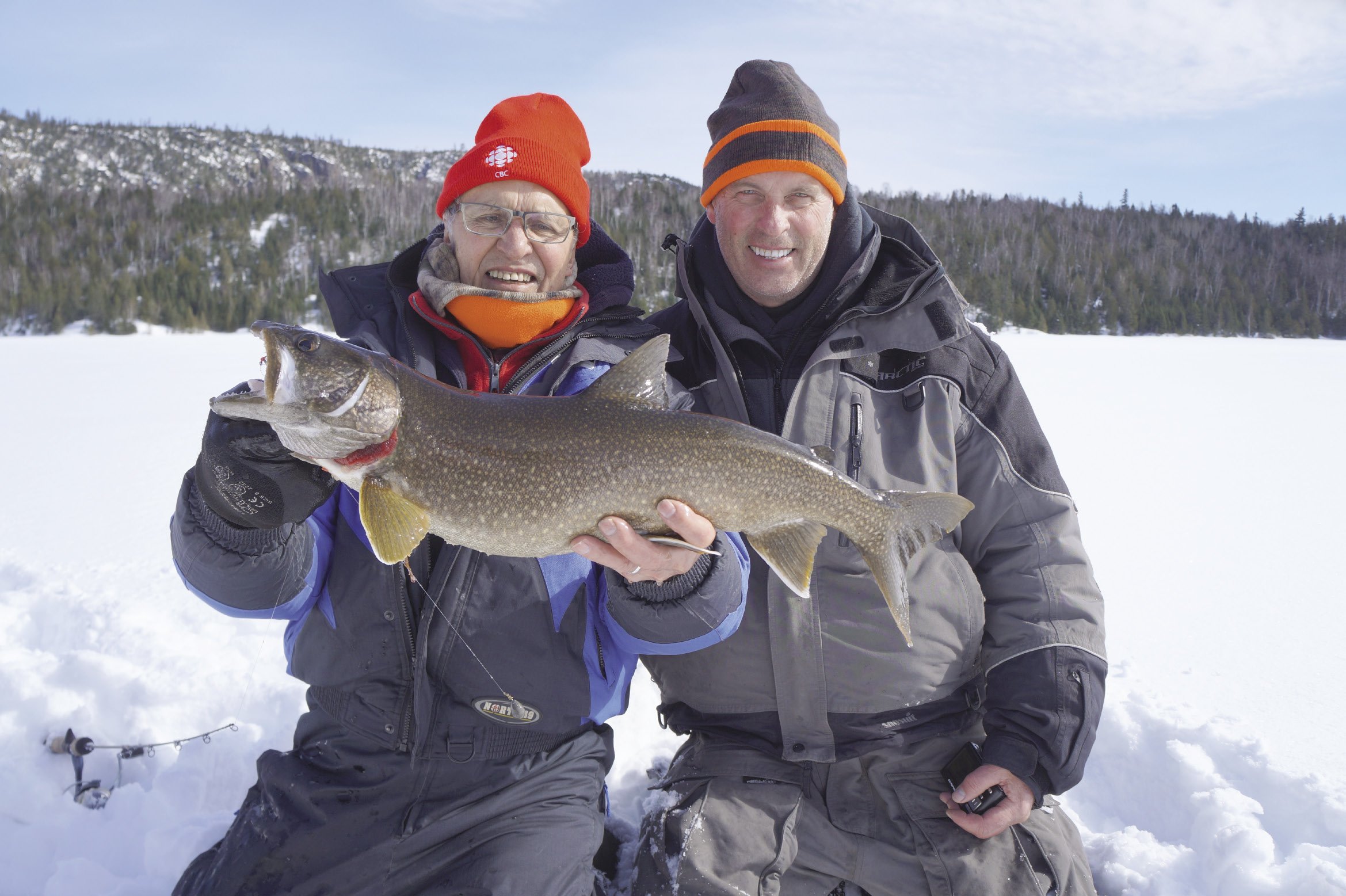
Because their metabolism has plummeted, fish don't need to eat much, if anything, during the coldest months. Many species virtually cease feeding altogether. Their digestive systems slow right down, and they live off fat reserves built up during the more abundant warmer seasons. However, some hardy species, like certain trout, will still feed opportunistically if food is available, making them prized catches for ice fishers.
A Breath of Fresh Air: Oxygen Under Ice
One of the biggest challenges for fish under a sheet of ice isn't just the cold, but potentially limited oxygen. Ice prevents atmospheric oxygen from dissolving into the water, and decomposing organic matter at the bottom can further deplete oxygen levels. Fish adapted to these conditions can often survive on very low oxygen, and their reduced activity means they need less of it anyway. This delicate balance is why pond owners are sometimes advised to keep a small, open area in the ice (using aerators or small heaters, never violently breaking the ice, which can shock fish) to allow for gas exchange.
Cultural Connections & Practical Tips for Pond Owners
Our fascination with what lies beneath the ice isn't new. For centuries, cultures around the world have embraced ice fishing as a way to connect with nature and provide sustenance during the harsh winter months. From the serene solitude of a lone angler on a frozen lake to bustling ice fishing villages, it’s a testament to the resilience of both humans and fish.

If you're a proud pond owner, here are a few gentle tips to help your finned friends through winter:
- Don't overfeed: Fish need very little to no food below 50°F (10°C). Undigested food will just rot and deplete oxygen.
- Maintain oxygen: Consider a pond aerator or de-icer to keep a small, open hole in the ice for gas exchange.
- Be gentle: Avoid stomping or making loud noises on the ice, as vibrations can stress fish.
A Reflection on Resilience
The quiet, unseen lives of fish in winter offer a powerful metaphor. They teach us about adaptation, patience, and the wisdom of slowing down. In a world that often celebrates constant motion and achievement, these aquatic survivors show us the immense strength in stillness, in conserving energy, and in trusting the rhythms of nature. Perhaps we can all take a page from their book, finding our own deeper, calmer places when the world outside gets a little too chilly, and emerging refreshed when spring finally beckons.