What Do Electric Cars Run On
Ever found yourself scrolling through social media, seeing sleek electric cars zipping by, and wondering, "Okay, but what exactly do those things run on?" It’s a super valid question, especially if you’re used to the very tangible concept of liquid fuel at a gas station. Well, pull up a comfy chair (or stay in your current one), because we’re about to demystify the magic behind those silent, speedy rides.
The short, sweet, and ultimately accurate answer is: electricity. Shocking, right? (Pun absolutely intended.) But let's dig a little deeper than just "plug it in."
The Invisible Fuel: Pure Energy
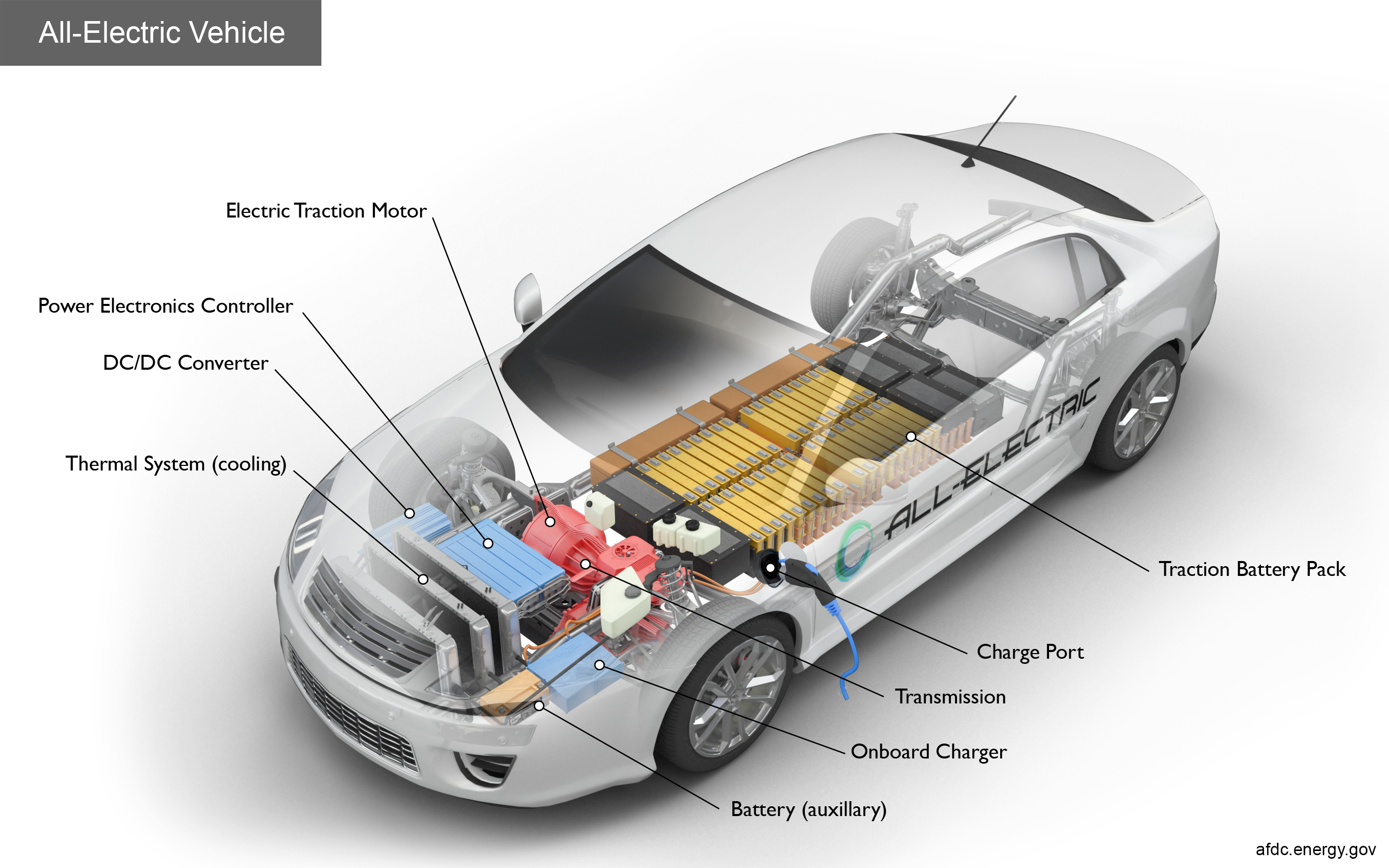
Think of your smartphone. You plug it into a wall, and presto! It gets charged. An electric car isn't fundamentally different, just a whole lot bigger and with a much beefier battery. Instead of pumping liquid gasoline into a tank, you’re simply connecting your car to the electrical grid, which then sends electrons flowing into its battery.
Must Read
So, where does that electricity come from? That’s where it gets interesting and, often, a bit more eco-conscious. That electricity can be generated from a variety of sources:
- Renewable Energy: Think towering wind turbines gracefully spinning, or vast solar farms soaking up the sun's rays. When you charge your EV with power from these sources, you're essentially running on sunshine and breezes. How cool is that?
- Traditional Sources: Of course, some electricity still comes from fossil fuels like natural gas and coal. But here's the kicker: even when drawing from these sources, electric cars are often more efficient than gasoline cars, and their emissions can be centralized and cleaner at the power plant than spread out from tailpipes.
The beauty is, as our grids get greener, so does your electric car. It’s like a built-in future-proof upgrade!

Charging Up: Easier Than You Think
One of the biggest myths about EVs is that charging is a hassle. In reality, it's often more convenient than stopping at a gas station.
At Home: Your Personal "Fuel" Station
Most EV owners do the majority of their charging right at home. Imagine never having to make a special trip to fill up again! You just plug in when you get home, usually overnight, and wake up to a full "tank" (or battery, rather) every morning. It's like charging your phone, but for your car.
- Level 1 Charging: This is plugging into a standard 120V household outlet. It's slow, but perfect for topping up overnight if you don't drive a huge distance daily. Think of it as a leisurely sip of energy.
- Level 2 Charging: This uses a 240V outlet (like your clothes dryer) with a dedicated charging unit. It’s much faster, typically adding 25-40 miles of range per hour. This is the sweet spot for most home charging setups.
On the Go: Public Pit Stops
For longer trips or when you need a quick boost, public charging networks are your best friend. Companies like Electrify America, ChargePoint, and of course, Tesla's Supercharger network, offer convenient charging stations everywhere from grocery store parking lots to highway rest stops.

- DC Fast Charging (DCFC): These are the superheroes of public charging. They can get you from 10% to 80% charge in as little as 20-40 minutes, depending on the car and charger. Perfect for a quick coffee break on a road trip!
There are apps for everything these days, and finding a charger is no exception. Apps like PlugShare or your car's navigation system can show you exactly where the nearest charging points are, what type they are, and even if they're currently available. It’s all about planning, just like you might plan a coffee stop.
The Battery: The Heart of the Matter
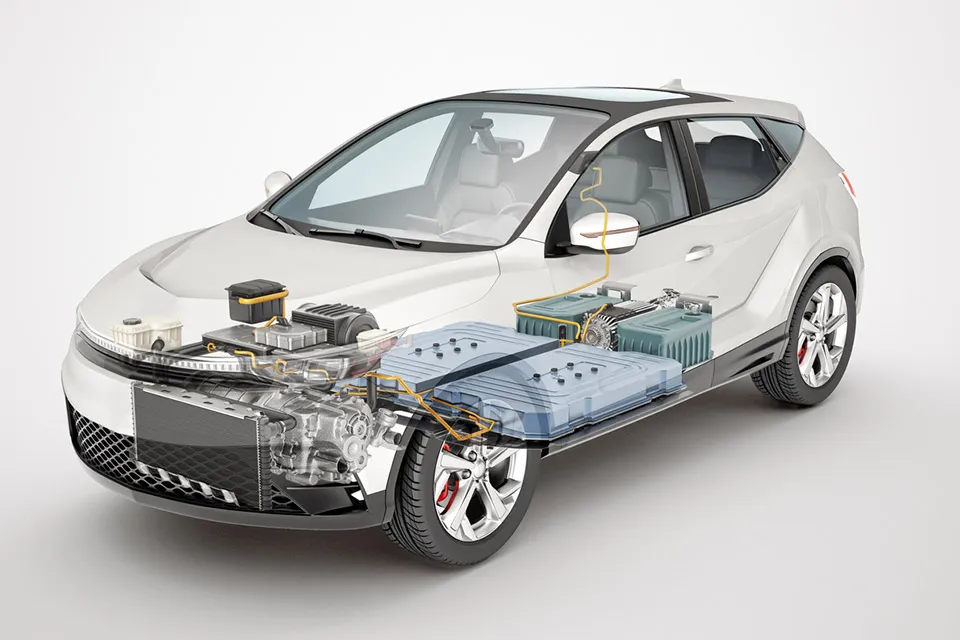
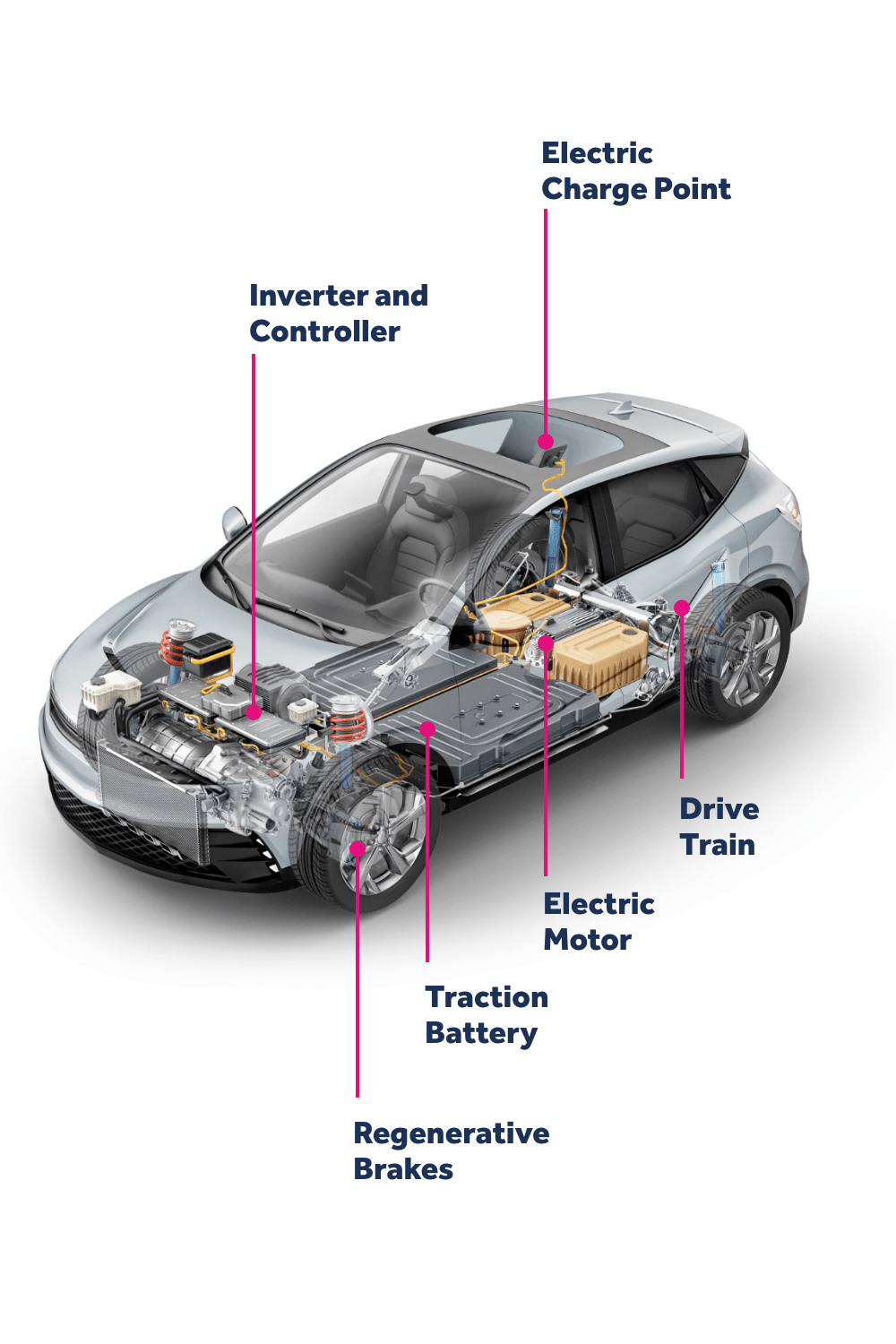
The "fuel tank" of an EV is its battery pack, usually made up of lithium-ion cells – just like the one in your phone or laptop, only a lot bigger and more sophisticated. These batteries store the electrical energy, which then powers the electric motor(s) that propel the car. Battery technology is constantly evolving, leading to greater range, faster charging, and lower costs.
Remember "range anxiety"? While it was a genuine concern years ago, today's EVs often boast ranges of 250-350 miles on a single charge – more than enough for most daily driving and even many road trips. For context, the average American drives about 40 miles a day.
Fun Facts & Practical Tips
- Regenerative Braking: This is a super cool feature! When you lift your foot off the accelerator or brake, the electric motor reverses its function and acts as a generator, sending energy back to the battery. It’s like getting a little bit of "free" charge every time you slow down.
- Less Maintenance: EVs have far fewer moving parts than gasoline cars. No oil changes, spark plugs, or complex transmissions. This often means lower maintenance costs and less time spent at the mechanic.
- Instant Torque: Ever wondered why EVs are so zippy off the line? Electric motors deliver instant torque, meaning full power is available immediately. It’s a surprisingly exhilarating driving experience!
So, what do electric cars run on? They run on the same invisible, powerful force that lights up your home and powers your devices. They run on the promise of cleaner air, quieter streets, and the sheer convenience of "fueling up" wherever you park. It’s not just about a different kind of fuel; it's about a different, often simpler and more enjoyable, way of moving through the world.
In essence, electric cars run on a blend of cutting-edge technology and everyday electricity, wrapped up in a package that’s designed to fit seamlessly into your modern life. It’s less about reinventing the wheel and more about plugging into the future, one effortless charge at a time.