What Do Bass Eat In The Winter
Ever found yourself staring out at a crisp winter landscape, perhaps a quiet pond or a slow-moving river, and wondered what hidden dramas unfold beneath the surface? It's a time when many assume nature sleeps, but for a dedicated and curious group, it's a season of fascinating discovery. We're talking about the age-old, yet ever-fresh, question that sparks both deep thought and quiet anticipation: What Do Bass Eat In The Winter? This isn't just about fishing; it's about connecting with the subtle rhythms of the wild, a true masterclass in patience and observation that offers profound benefits.
For the aspiring angler, the seasoned hobbyist, or even the casual learner of nature's ways, delving into the winter diet of bass offers a unique kind of inspiration. It hones your deductive reasoning, sharpening your ability to read the intricate cues of the environment. Understanding that bass become less active and more opportunistic in colder water teaches you the value of a slow, deliberate approach – a wonderful lesson applicable far beyond the water's edge. It fosters a deeper respect for wildlife and the incredible ways creatures adapt to changing seasons, turning a chilly outing into a truly enriching experience.
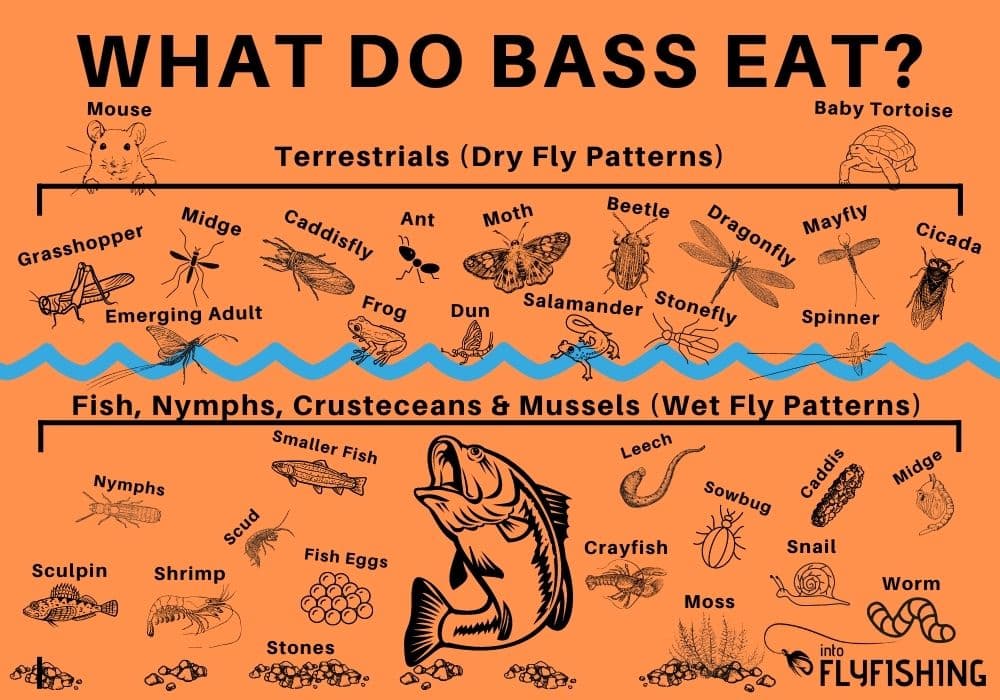
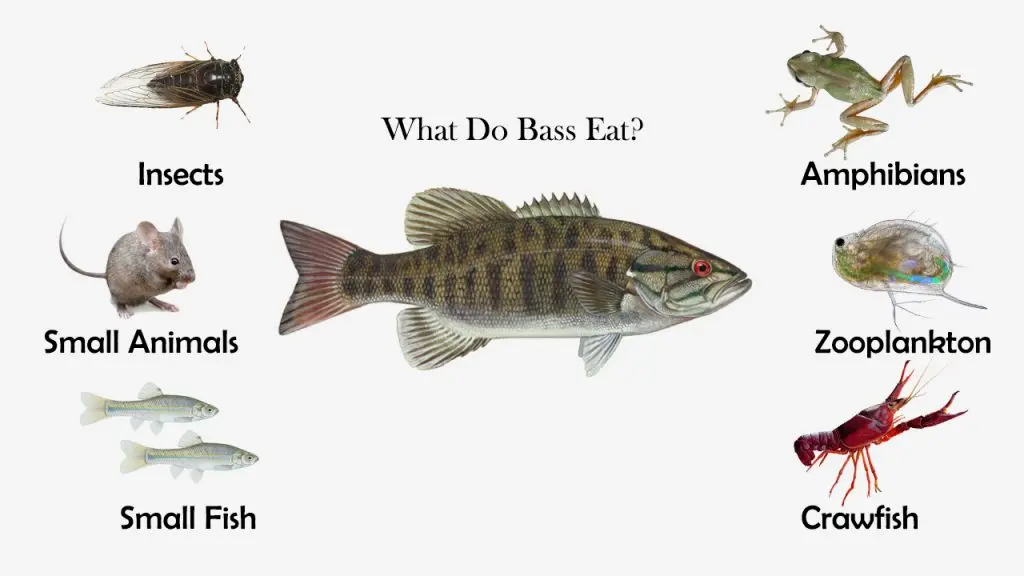
So, what's on the menu for our finned friends when the mercury drops? Unlike their aggressive summer feasts, winter bass adopt a more refined, energy-conserving approach. Think of it as a gourmet tasting menu rather than an all-you-can-eat buffet. For largemouth bass, this often means focusing on easy targets: slow-moving baitfish like shad or shiners that are sluggish from the cold, or even crayfish that are hunkered down. Smallmouth bass, often residing in deeper, clearer waters, might still pick off smaller minnows or sculpins. The "style" of their eating is less a chase, more a gentle uptake – requiring a keen eye and sensitive touch from the angler. They're conserving energy, making every meal count, and typically won't expend much effort for a fleeting morsel.
Must Read
Ready to try your hand at uncovering these winter secrets? The beauty of understanding what bass eat in winter is that you can apply this knowledge right at home (or, more accurately, right on your local water!). The key is to think slow and deep. Bass will gravitate towards areas where water temperatures are most stable, like deep pockets, submerged brush piles, or rock structures. When selecting your 'bait,' opt for smaller, slow-moving presentations. Think jigging spoons, blade baits, or suspending jerkbaits that can hang tantalizingly in the water column. The most crucial tip? A deliberate, almost imperceptible retrieve. Winter bites are often incredibly subtle – a slight tick, a feeling of extra weight, or even just a momentary slack in your line. Patience isn't just a virtue here; it's your most potent tool.
Ultimately, the joy of exploring "What Do Bass Eat In The Winter" extends beyond the thrill of a successful catch. It’s about the peaceful solitude of nature, the intellectual challenge of deciphering an animal's behavior, and the profound satisfaction of connecting with the world around you on a deeper level. It’s a quiet pursuit that offers big rewards, reminding us that even in the coldest months, there's always something fascinating to learn and enjoy. It’s truly an inspiring adventure waiting to unfold.