What Do Air Filters Do In A House
Ever thought about the air you're breathing inside your own home? It’s something we often take for granted, but the humble air filter is a true unsung hero working tirelessly behind the scenes. Talking about air filters might not sound like the most thrilling topic, but trust me, understanding what they do is incredibly useful, genuinely impactful, and can even save you a bit of cash down the line. It's like discovering a secret superpower for your house that keeps everything cleaner, healthier, and running smoothly!
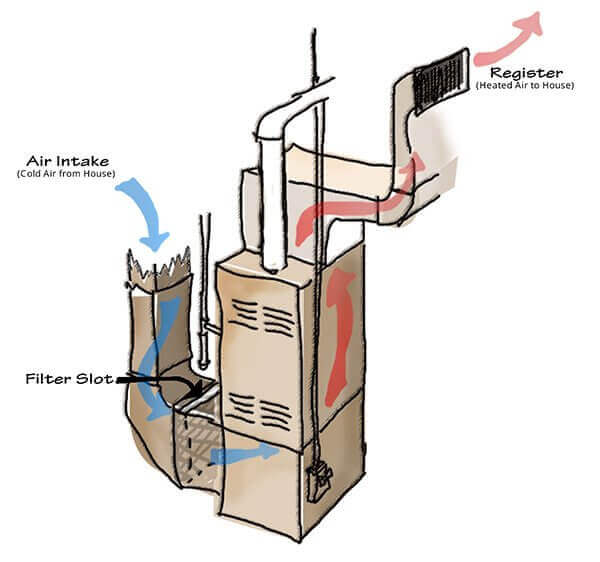
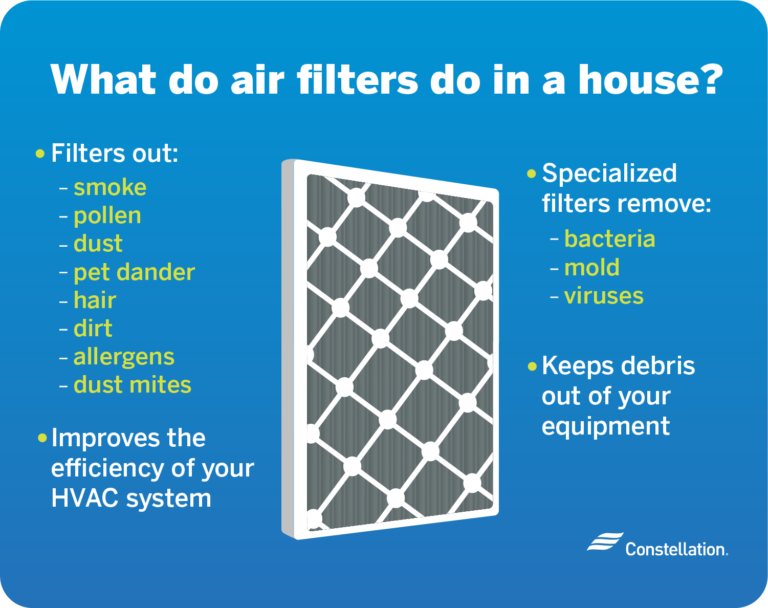
So, what exactly do these rectangular marvels do? At its simplest, an air filter in your home's heating, ventilation, and air conditioning (HVAC) system is there to catch unwanted stuff before it circulates through your living space or, perhaps even more importantly, gums up your expensive equipment. For beginners, just imagine it as a sieve for your air, trapping dust, pollen, pet dander, and other tiny airborne particles that would otherwise be floating around or settling on your furniture. It’s a simple concept with a huge impact on your indoor air quality.
For families, the benefits are even more pronounced. A good air filter significantly reduces allergens and irritants in the air, which can be a real game-changer for anyone dealing with allergies or asthma. Less dust means less sneezing and coughing, and often, a cleaner, healthier home environment for everyone. Plus, by keeping your HVAC system clean, you’re helping it run more efficiently, which can translate into lower energy bills and fewer costly repairs down the road. It’s peace of mind, knowing your family is breathing cleaner air and your home’s essential systems are protected.
Must Read
There's also a bit of variety in the world of filters. You've probably seen the basic fiberglass filters – they do a decent job for general dust. But then there are pleated filters, which offer much better filtration thanks to their increased surface area, capturing finer particles like pet dander and mold spores. You'll also see different MERV ratings (Minimum Efficiency Reporting Value) on filters; a higher MERV rating means better filtration, but it's important not to go too high if your system isn't designed for it, as it can restrict airflow. Choosing the right one depends on your specific needs, like if you have pets or severe allergies.

Ready to get started on your filter journey? Here are some simple, practical tips. First, check your current filter monthly. Seriously, just take a quick peek to see how dirty it is. Second, aim to change it every 1 to 3 months. If you have pets, allergies, or live in a dusty area, err on the side of changing it more frequently. Third, always note the size of your filter – it’s printed right on the cardboard frame – so you can buy the correct replacement. Lastly, consider buying filters in multi-packs so you always have a spare on hand. It’s a small habit that makes a big difference.
Ultimately, taking a few minutes to understand and regularly maintain your home’s air filters is a small effort that yields big rewards. You’ll enjoy cleaner air, a healthier living space, and a more efficient HVAC system, all contributing to a more comfortable and enjoyable home life. It's a simple step, but one that truly adds value and peace of mind to your everyday living.