
What Direction Should My Fan Go In The Winter

Hey there, friend! So, winter's here, huh? Brrr! And I bet you're wondering about that ceiling fan... the one that's been faithfully whirring away all summer. Now it's got you thinking, "Wait, does this thing actually help in the cold, or am I just making a bigger draft?" Let's get into it, shall we?
The Fan's Winter Secret: It's All About Direction!
Okay, so here's the deal. Remember how in the summer you wanted that lovely breeze blowing down on you? That's because a downward draft helps you feel cooler. Makes sense, right? Well, winter's the opposite. We don't want a wind chill factor inside our house (unless you’re really trying to save on heating… just kidding! Mostly...).
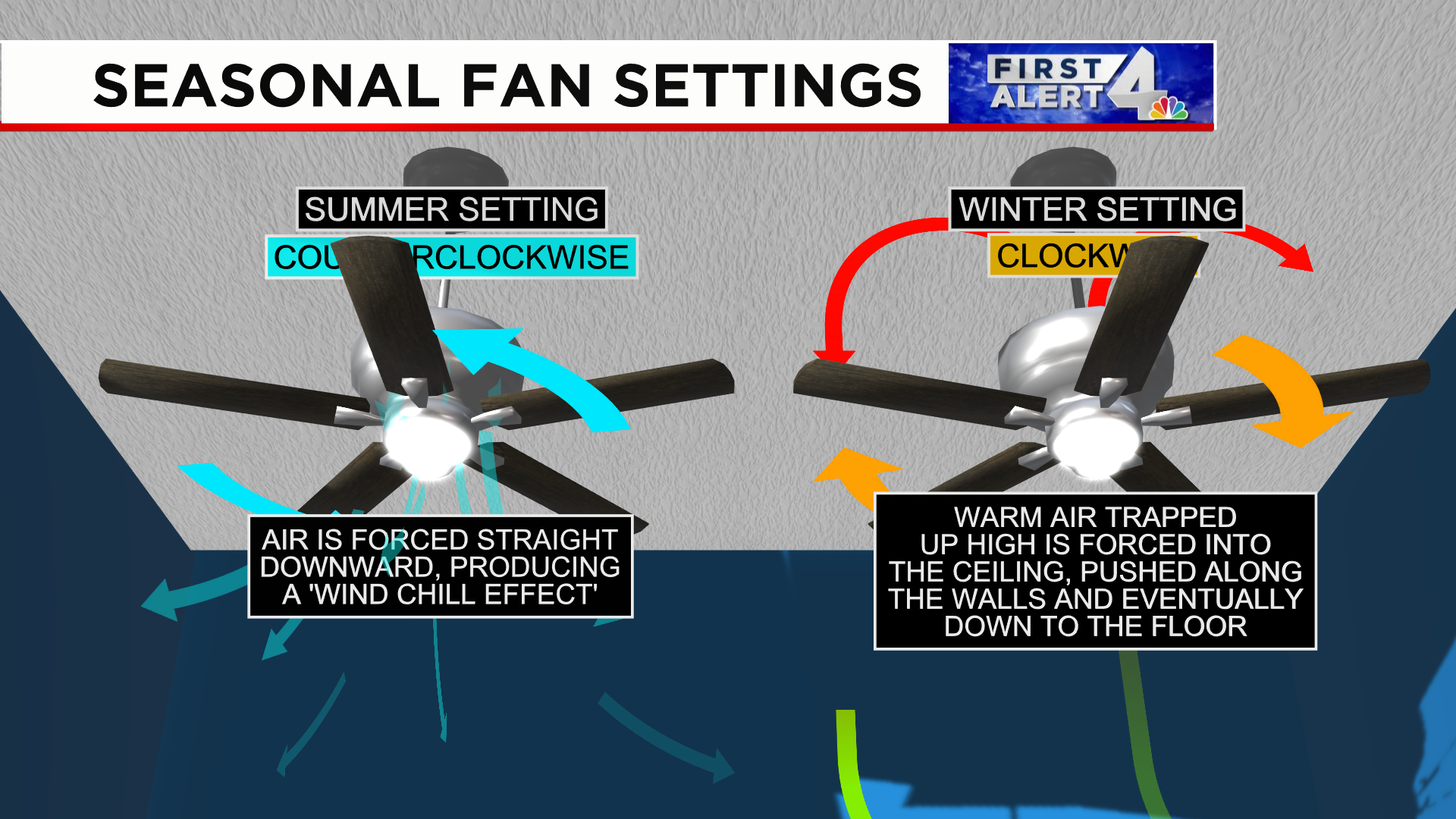
That's where the fan's secret weapon comes in: Reverse! Yep, most ceiling fans have a tiny switch – usually on the motor housing – that lets you change the blade direction. It's like a Transformer, but for air! Seriously, though, locate that switch. You'll be glad you did.
Must Read
Instead of blowing air down, you want the fan to gently pull air up. Think of it as a subtle, sophisticated dance of the air molecules. But why, you ask? Ah, that's where the magic of warm air rising comes into play!
Why Upward? The Warm Air Hustle
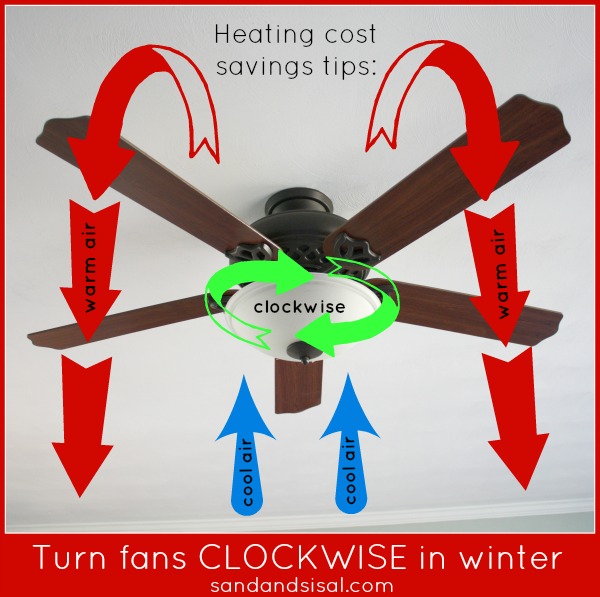
Here’s the thing: warm air is lighter than cold air. Elementary, my dear Watson! So, naturally, that lovely, expensively heated air (thanks, energy bill!) tends to accumulate near the ceiling. Which is great for the spiders up there, but not so great for us mortals shivering down below.
By reversing your fan, you're gently pushing that warm air back down along the walls. It's not going to feel like a hurricane, I promise. It's more of a subtle, even distribution. Think of it as the fan acting like a benevolent dictator, redistributing the wealth of warmth from the ceiling to the proletariat (that’s us!).
Benefits, Benefits, Benefits! (Besides Not Freezing)
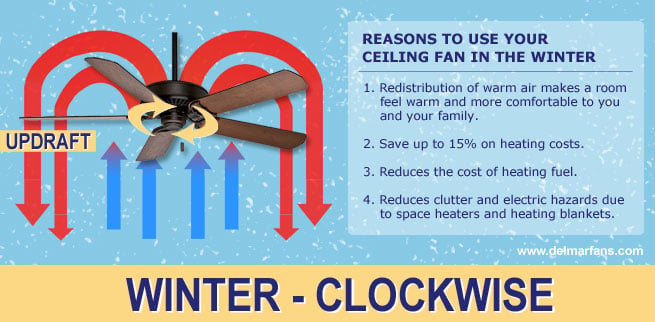
- Save Money! Seriously, you could potentially lower your heating bill. Think of all the lattes you could buy with those savings!
- More Consistent Temperature: No more cold feet and warm heads! Everyone wins!
- Less Work for Your Furnace: Which means it might last longer. Cha-ching!
Is My Fan Doing It Right? The Hand Test
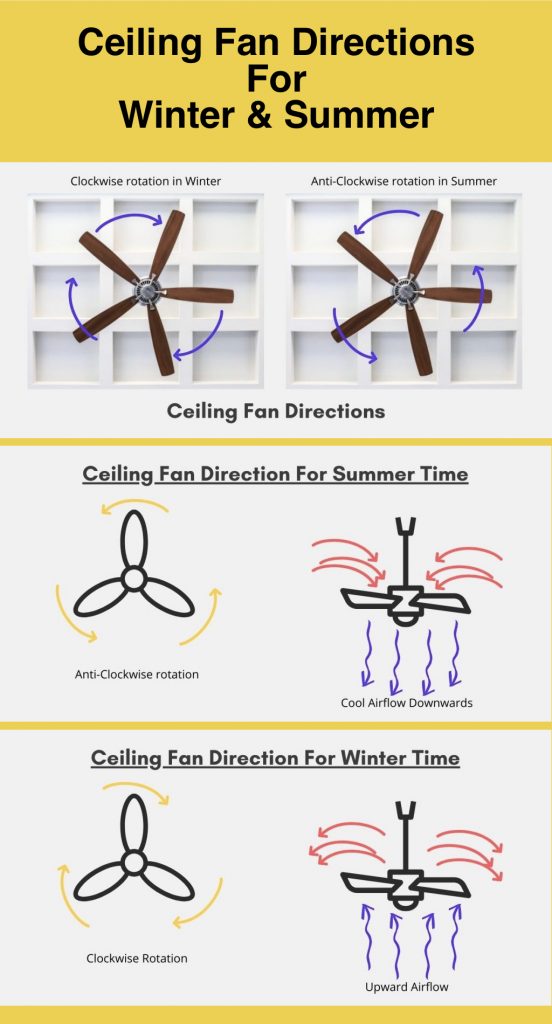
Not sure if your fan is actually in reverse? Here's a super scientific test (okay, not really, but it works!). Stand directly under the fan. If you feel a breeze, it's probably in the summer (downward) setting. If you don't feel a breeze, and instead feel a subtle air circulation, it’s likely reversed. You can also look closely at the blades. They should be rotating in a clockwise direction when viewed from below.
Speed Matters (Kinda)
You don't want your fan on high speed in the winter. That defeats the whole "gentle distribution" thing. A low setting is perfect. We're going for subtle, not "I'm standing in a wind tunnel". Think of it as a light stir, not a full-blown mixing session.
What If I Don't Have a Reverse Switch?
Okay, so this is a bummer. If your fan doesn't have a reverse switch, you're pretty much stuck with the downward airflow. In that case, using the fan in winter might not be the best idea. It could actually make you feel colder. Sorry! Maybe it's time for a fan upgrade? Just saying...
One Last Thought Before You Go De-Icing
So, there you have it! Reversing your ceiling fan in the winter can be a simple and effective way to improve your home's comfort and potentially save some money. It's all about understanding how air circulation works and using that knowledge to your advantage. Now go forth and conquer that cold air! And maybe grab a latte while you're at it. You deserve it!