
What Direction Should Fan Blades Turn In Summer
:max_bytes(150000):strip_icc()/ceiling-fan-rotate-direction-1907533-2595acc134e2417eaee05162f4fdf551.png)
Summer. The season of sun-kissed skin, impromptu beach trips, and… relentless heat. While blasting the AC might seem like the only solution, let’s talk about a low-key, energy-saving hero hiding in plain sight: the humble ceiling fan. But are you using it right? The direction your fan spins in summer can make a world of difference. Let's decode this mystery.
Clockwise or Counter-Clockwise: The Summer Spin
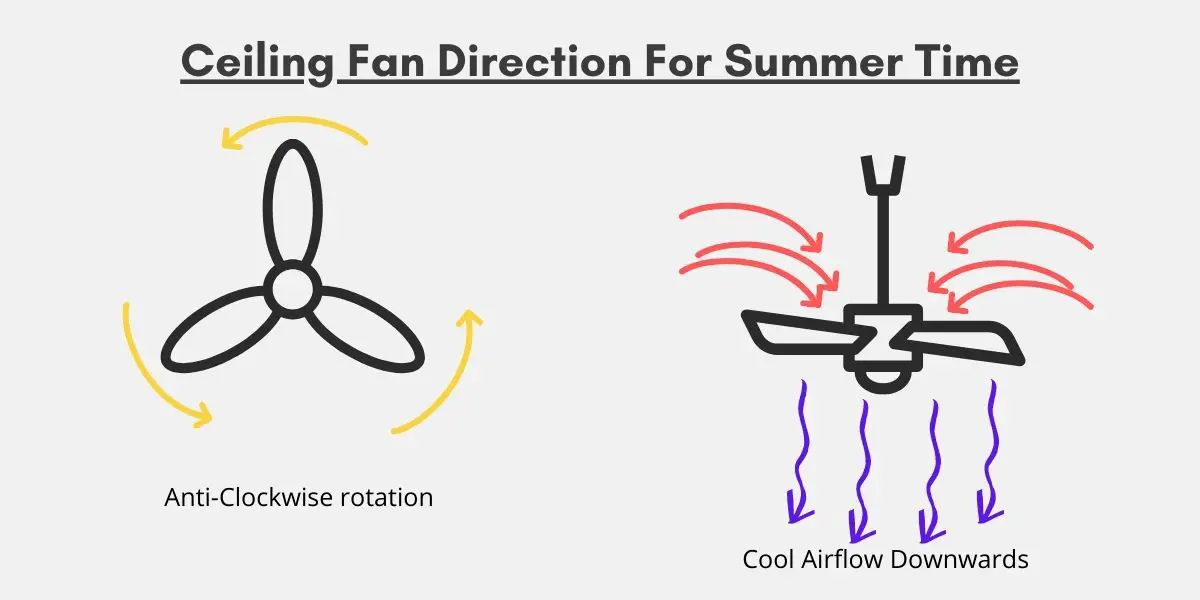
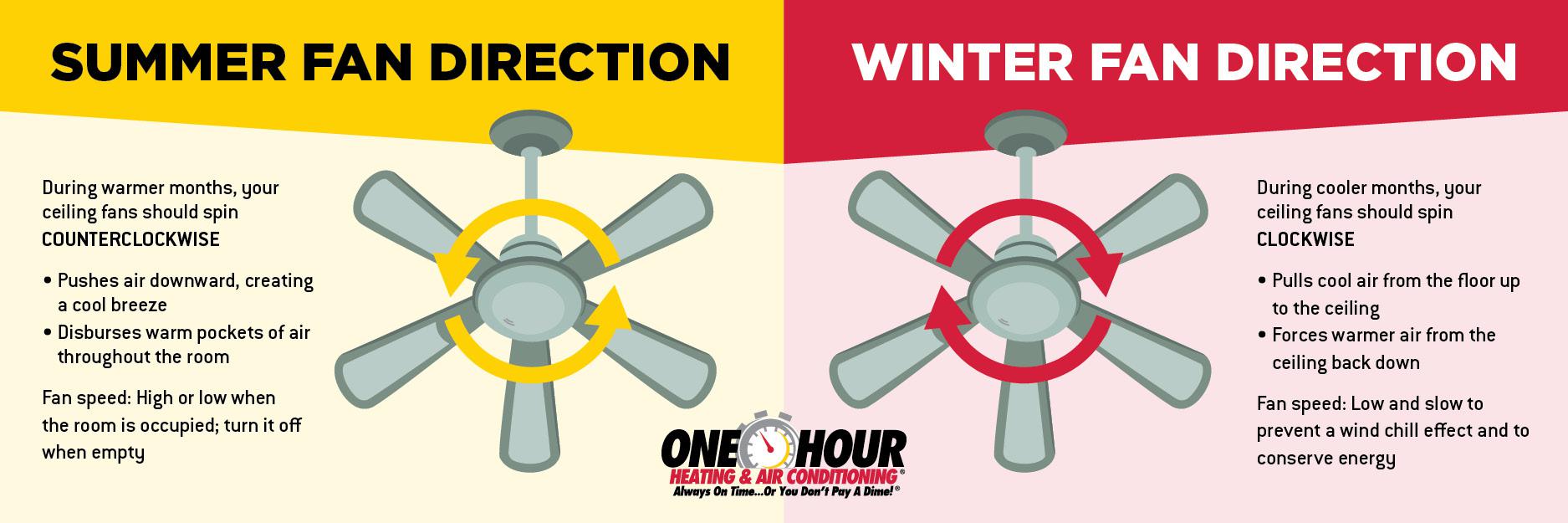
The golden rule for summer comfort is to have your ceiling fan spinning counter-clockwise. Think of it this way: you want to create a gentle breeze that cools you down.
Why counter-clockwise? As the blades rotate, they push air downwards, creating a refreshing downdraft. This airflow helps to evaporate moisture from your skin, making you feel cooler. It's basic physics, really, but with a touch of summer magic.
Must Read
Practical Tip #1: Stand directly beneath your fan. If you feel a gentle breeze, you’re good to go! If not, it’s time for a direction change.
How to Change the Fan Direction
Don't worry, you don't need to be an electrician. Most ceiling fans have a small switch located on the motor housing. This switch controls the direction of the blades.
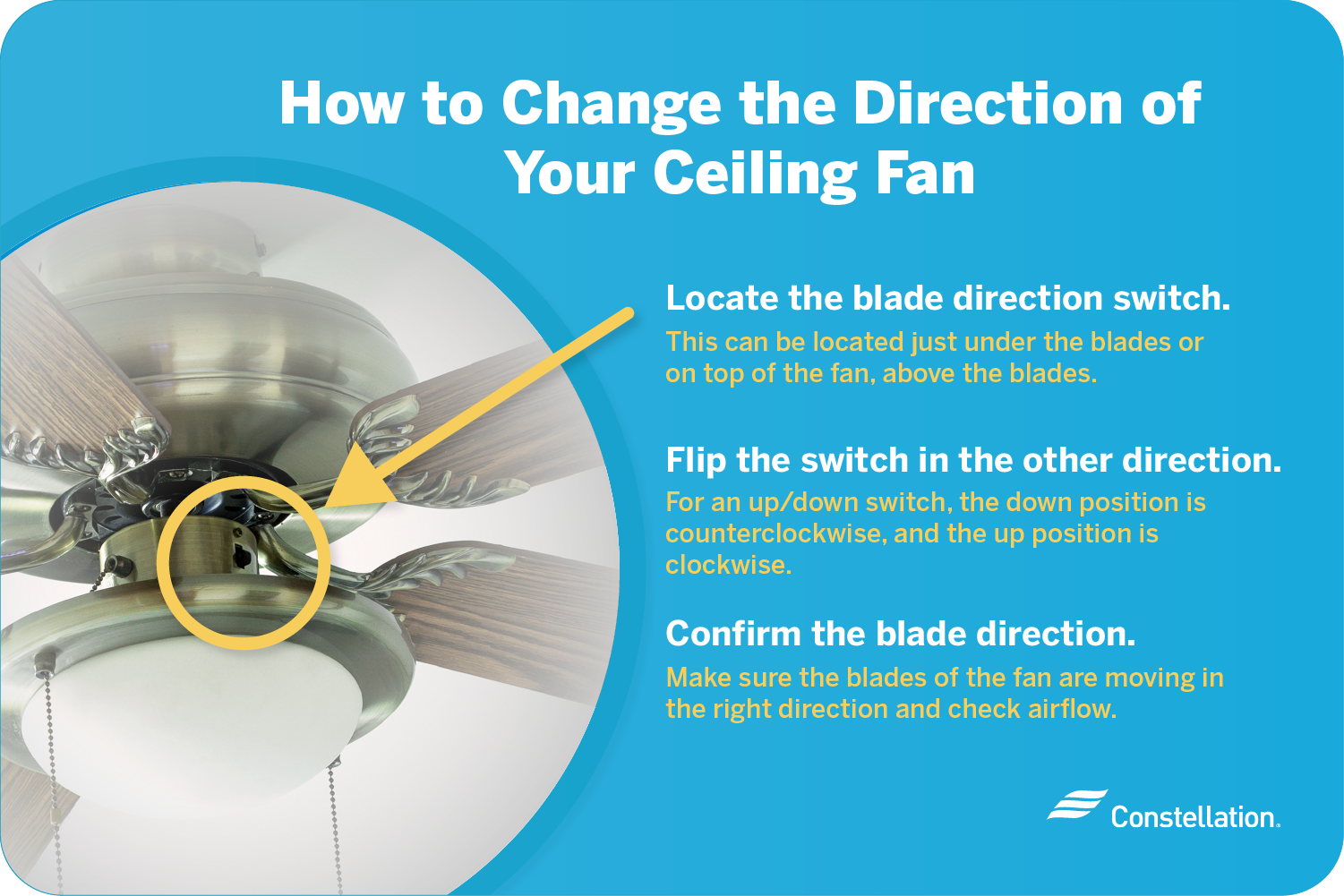
Important Safety First: Always turn off the fan completely before attempting to change the direction. Trust us, you don't want to learn this lesson the hard way.
Once the fan is off, locate the switch. It usually has two positions: one for summer (counter-clockwise) and one for winter (clockwise). Flip the switch to the correct setting and then turn the fan back on. Voila! You're now a ceiling fan pro.
Practical Tip #2: If you can’t find the switch or aren’t sure how to change the direction, consult your fan’s user manual. (Remember those? They're actually useful sometimes!)
The Science Behind the Breeze
Okay, so we know how to make the fan spin the right way, but let's delve a little deeper into why it works. The key is that downdraft we mentioned earlier. As the air moves across your skin, it helps to evaporate sweat.
Evaporation is a cooling process. Think of it like this: when water evaporates from your skin, it takes heat with it. This is the same principle that keeps you cool when you step out of a swimming pool.
Fun Fact: The "wind chill factor" is based on a similar principle. Even if the air temperature is above freezing, a strong wind can make you feel much colder because it speeds up the rate of evaporation from your skin.
Maximize Your Cooling Power
Using your ceiling fan effectively can save you money on your energy bills. Here are a few extra tips to maximize its cooling power:
:max_bytes(150000):strip_icc()/ceiling-fan-rotate-direction-1907533-v4-5ba94e6346e0fb002576cebf.png)
- Use it in conjunction with your AC: A ceiling fan can help circulate the cool air from your AC, allowing you to set the thermostat a few degrees higher without sacrificing comfort.
- Turn it off when you leave the room: Ceiling fans cool people, not rooms. If nobody's there to benefit from the breeze, you're just wasting energy.
- Clean your fan regularly: Dust buildup can reduce the efficiency of your fan. Give it a good cleaning every few months.
Practical Tip #3: Consider the height of your ceiling. If your ceiling is particularly high, you may want to use a fan with longer blades to ensure adequate airflow.
A Cultural Nod
Think of the ceiling fan as a classic symbol of relaxed living. Picture Humphrey Bogart in Casablanca, leaning back in a chair with a glass of something cool, a ceiling fan lazily turning overhead. It evokes a feeling of timeless cool and a slower pace of life.
Beyond the Breeze: A Little Reflection
It's easy to overlook the simple things, isn't it? A ceiling fan, spinning in the right direction, can make a noticeable difference in our comfort and our wallets. It’s a reminder that sometimes, the most effective solutions are the simplest ones. Just like taking a moment to appreciate the small joys in life, making sure your fan is spinning counter-clockwise is a tiny adjustment that can lead to a much more comfortable summer.