What Direction Should A Fan Spin In The Winter
Let's face it, most of us take our ceiling fans for granted. They're just... there. Spinning away silently, or maybe with a slight hum, keeping us cool during those sweltering summer months. We barely notice them, except when the temperature starts to rise and we gratefully flip the switch. But did you know that your trusty ceiling fan can be just as valuable in the winter? It's true! And it all comes down to understanding which direction that fan should be spinning.
The primary benefit of using your ceiling fan, regardless of the season, is to improve air circulation. Stagnant air can feel stuffy and uncomfortable, even if the thermostat is set to a comfortable temperature. A gentle breeze, created by your fan, helps to distribute the air more evenly throughout the room, making it feel fresher and more inviting. In the summer, the purpose is to create a cooling effect by evaporating moisture from your skin. However, in the winter, the goal shifts to something entirely different: redistributing warm air.
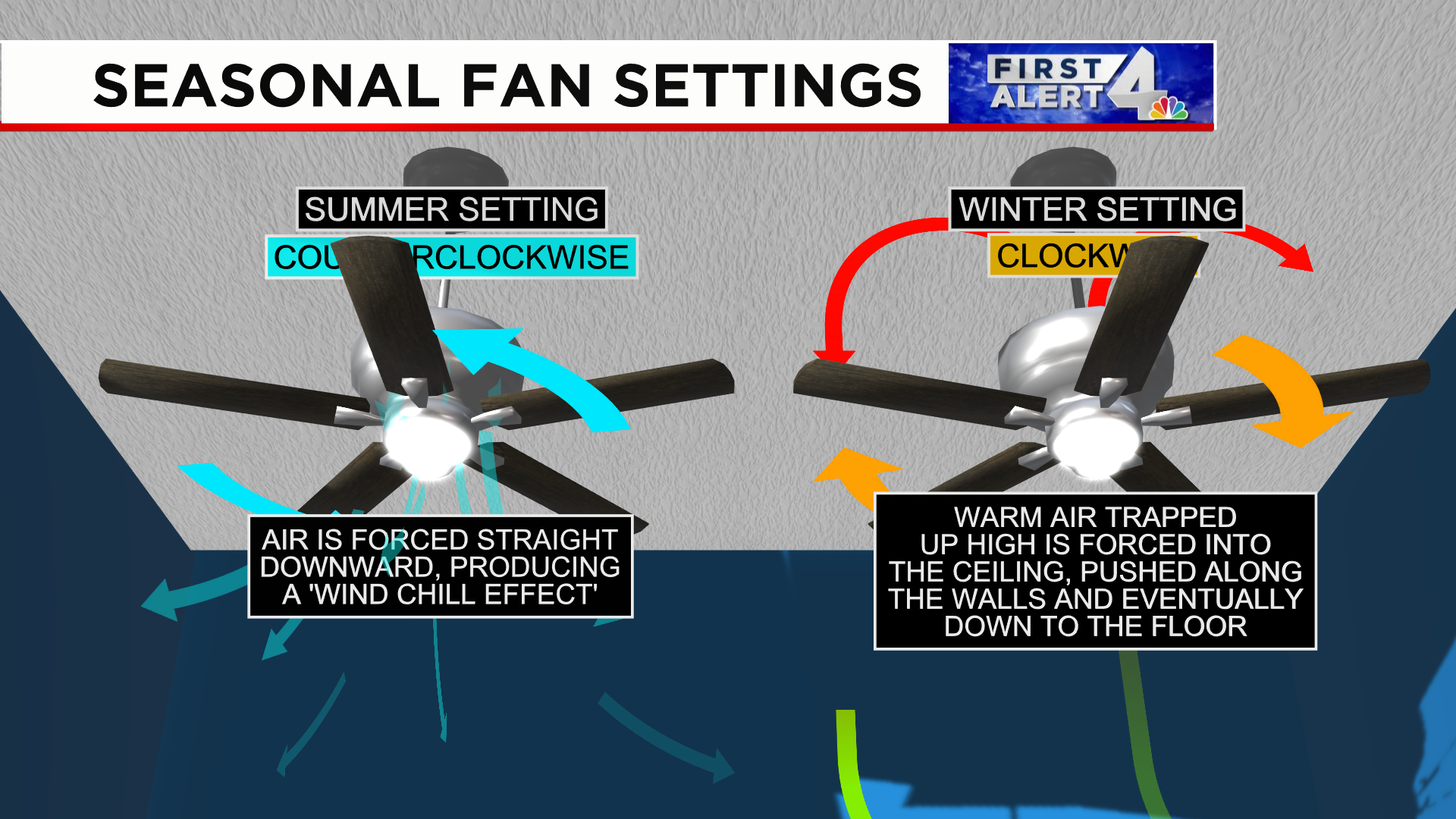
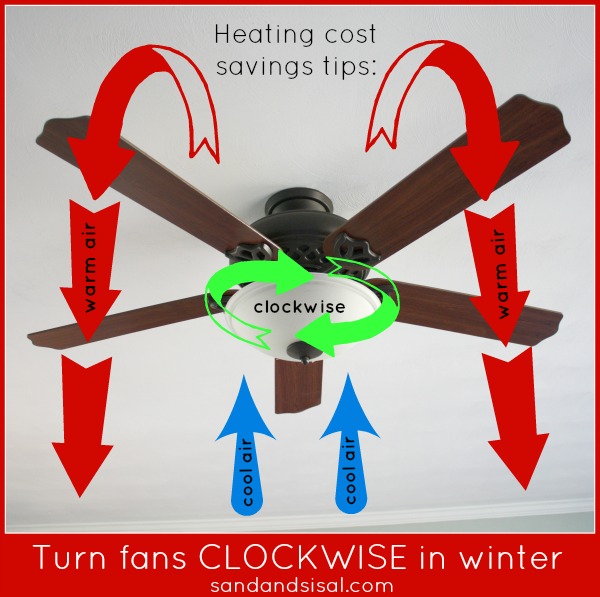
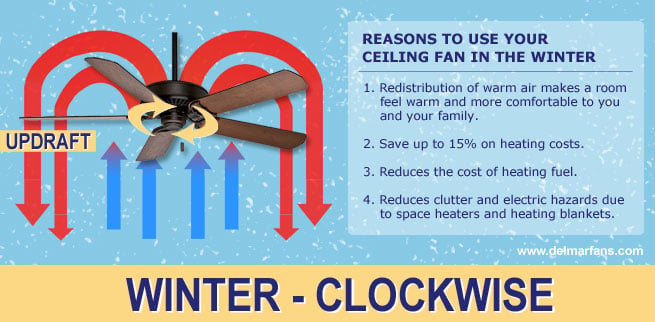
Think about it: heat rises. In the winter, your furnace is working hard to heat the air in your home, but that warm air naturally drifts upwards, collecting near the ceiling. This means that while your head might be cozy, your feet are probably feeling the chill. This is where your winter fan setting comes into play. By switching your fan to spin in a clockwise direction (when looking up at it), you can gently push that warm air trapped at the ceiling back down towards the floor. This creates a more even temperature distribution, making the entire room feel warmer and allowing your furnace to work less hard.
Must Read
You'll find ceiling fans in just about every room imaginable: living rooms, bedrooms, kitchens, and even covered patios. They are a cost-effective and energy-efficient way to regulate the temperature of your living space. A common example of their use is in conjunction with a fireplace. The fan can help circulate the heat generated by the fireplace throughout the rest of the room, preventing it from all rising to the ceiling above the fireplace.
So, how can you enjoy your ceiling fan more effectively in the winter? Here are a few practical tips:
- Find the Reverse Switch: Most ceiling fans have a small switch located on the motor housing that allows you to change the direction of the blades. Consult your fan's manual if you're unsure where it is.
- Use a Low Speed: You don't want a strong wind chill in the winter! A low speed is all that's needed to gently circulate the air.
- Adjust Your Thermostat: Once you've switched your fan to the winter setting, experiment with lowering your thermostat a degree or two. You might be surprised at how much energy you can save without sacrificing comfort.
- Consider Fan Placement: The effectiveness of your ceiling fan depends on its placement in the room. If you have high ceilings, a longer downrod might be necessary to ensure that the fan is close enough to the ceiling to effectively circulate the warm air.
By understanding how your ceiling fan works and how to use it effectively in the winter, you can create a more comfortable and energy-efficient living space. So, go ahead and flip that switch! Your wallet, and your toes, will thank you.
![Ceiling Fan Directions for Summer vs Winter [Infographic]](https://airflowacademy.com/wp-content/uploads/2021/06/Ceiling-fan-direction.jpg)