What Direction Should A Fan Go In The Winter
Okay, let's talk fans. Not the screaming-at-a-One-Direction-concert kind (though we appreciate their dedication!), but the kind that whirs quietly above our heads, promising sweet relief in the summer... and, surprisingly, cozy comfort in the winter. But here's the kicker: are you using yours correctly? Because if not, you're basically throwing money out the window, or rather, letting it float uselessly to the ceiling.
The Great Fan Debate: Winter Edition
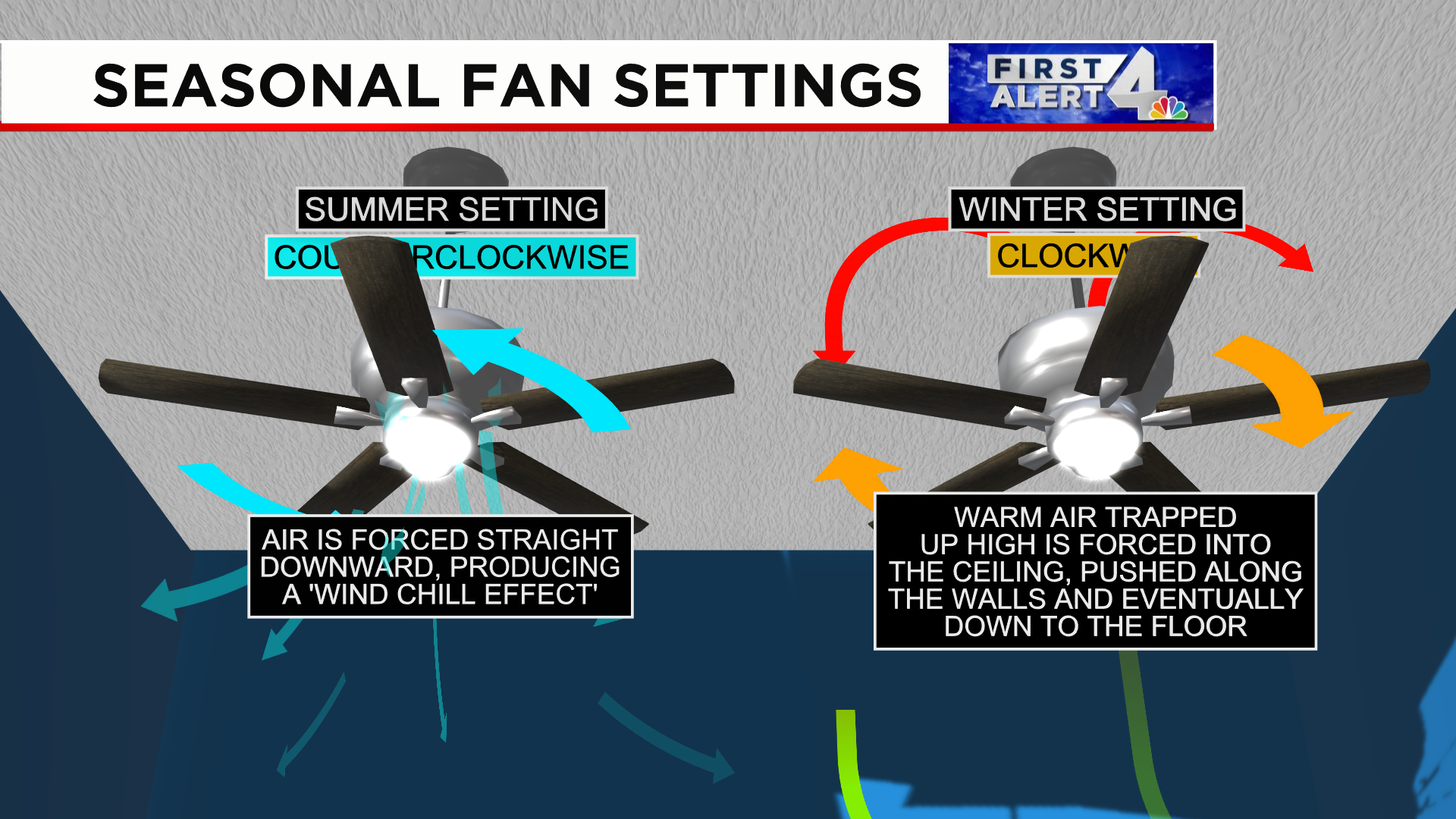
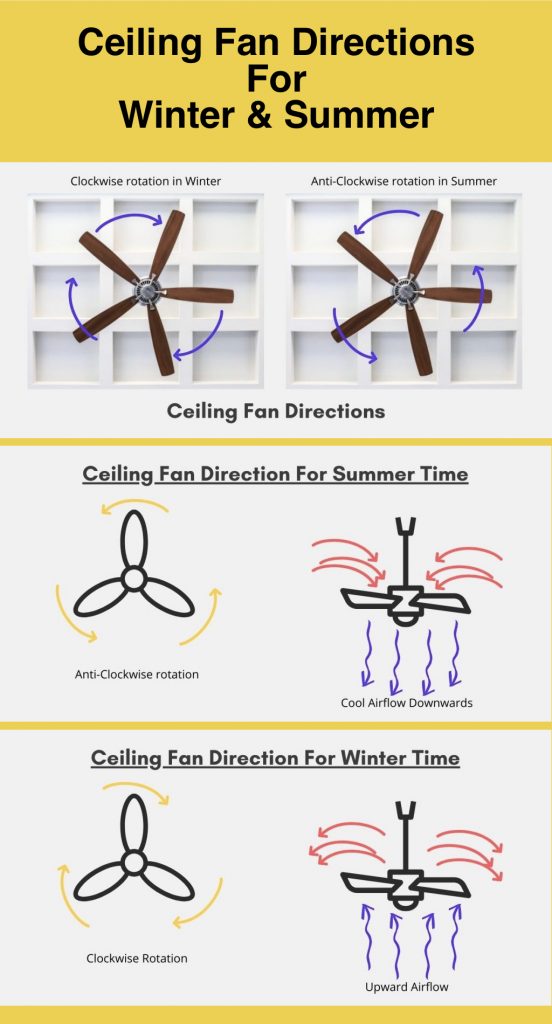
We all know the drill during those scorching summer months: fan blades spinning counter-clockwise, creating a blissful downdraft that sends shivers down your spine (in a good way, of course!). But as the leaves turn and the pumpkin spice lattes start flowing, it's time to rethink your fan strategy. The name of the game is warm air circulation.
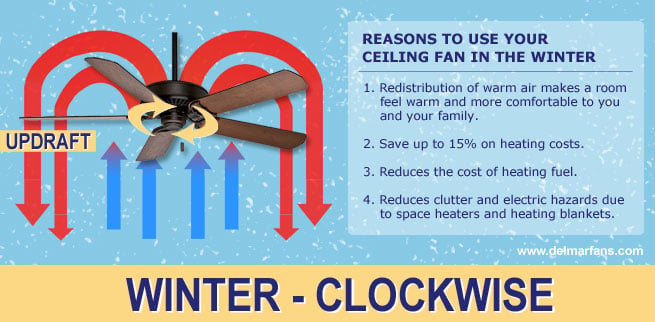
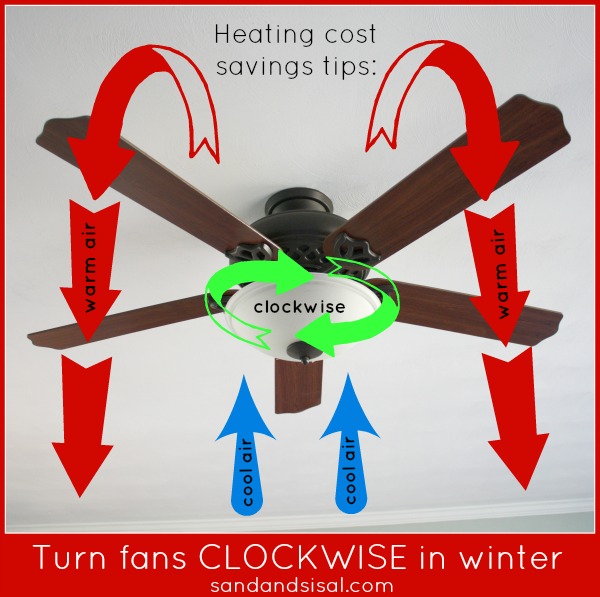
The secret? Switching that fan direction to clockwise. Yep, you read that right. Think of it as a seasonal wardrobe change for your ceiling fan. But why clockwise? What's the science behind this seemingly simple shift?
Must Read
Warm Air Rises, Cool Air Sinks (and Fans Help!)
Remember that whole "hot air rises" lesson from elementary school science? It's about to come in handy. In the winter, your heating system is working hard to pump warm air into your home. But that warm air, being lighter than its cooler counterpart, naturally gravitates towards the ceiling. This creates a temperature imbalance: toasty up high, chilly down low where you're actually living.
This is where your clockwise-spinning fan comes to the rescue. By gently pushing the warm air that's accumulated near the ceiling back down along the walls, it helps to redistribute the heat more evenly throughout the room. No more cold feet while your head sweats! It's all about creating a more comfortable and energy-efficient environment.
Think of it like this: your ceiling fan becomes a silent, energy-saving superhero, battling the forces of temperature stratification and bringing warmth and harmony to your living space.
Practical Tips for Fan-tastic Winter Comfort
So, you're convinced. You're ready to embrace the clockwise revolution. But how exactly do you make the switch? Fear not, it's easier than brewing a perfect cup of hot cocoa!
First, locate the reverse switch on your fan. It's usually located on the motor housing. Make sure the fan is completely stopped before flipping the switch. We don't want any unexpected ceiling fan acrobatics.

Next, set your fan to a low speed. Remember, the goal isn't to create a wind tunnel, but to gently circulate the air. A lower speed will prevent a noticeable draft and keep the warm air from being pushed down too forcefully.
Experiment! Every room is different, so play around with the speed settings to find what works best for you. You might even find that a very low speed is all you need to make a noticeable difference.
Consider your ceiling height. If you have particularly high ceilings, a longer fan blade might be necessary to effectively circulate the air. And if you have a low ceiling, make sure the fan is positioned high enough to avoid any accidental head bumps.
Beyond the Thermostat: A Holistic Approach to Warmth
Using your ceiling fan in the winter is just one piece of the puzzle when it comes to creating a cozy and energy-efficient home. Think of it as part of a broader strategy that includes things like:
* Sealing drafts: Caulk those windows, weatherstrip those doors! Every little bit helps prevent heat from escaping. * Using rugs: Bare floors can feel cold underfoot, so add some cozy rugs to warm things up. * Opening curtains during the day: Let the sunshine in! Natural light can help warm your home and reduce your reliance on artificial lighting. * Embracing hygge: Candles, blankets, warm drinks – create a cozy atmosphere that makes you want to curl up and stay indoors.A Little Reflection
It's amazing how seemingly small adjustments, like changing the direction of a ceiling fan, can have such a significant impact on our comfort and energy bills. It's a reminder that we often have more control over our environment than we realize. By paying attention to the details and making mindful choices, we can create homes that are both comfortable and sustainable. So go ahead, flip that switch, and enjoy a warmer, cozier winter. You (and your wallet) will thank you for it.