
What Direction Should A Fan Go In The Summertime

Summer. The season of sunshine, ice cream, and… relentless heat! We all crave that sweet relief, and often, the humble fan is our trusty sidekick. But have you ever stopped to think about which way it should actually be spinning? It sounds simple, right? But figuring out the optimal fan direction can be the difference between a stuffy, stagnant room and a surprisingly comfortable space. So, let's dive into this breezy topic and unlock the secrets to summer fan mastery!
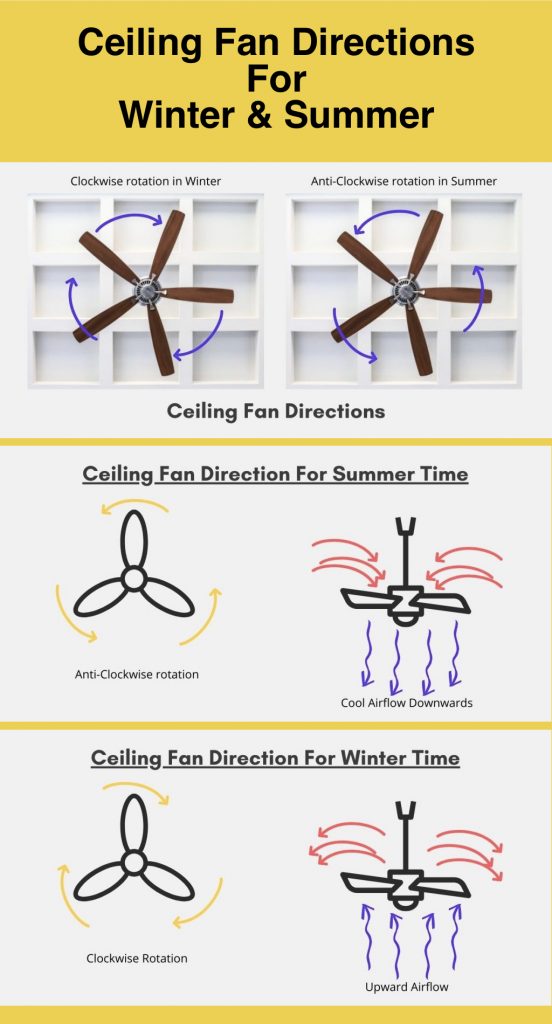
The main purpose of adjusting your fan's direction is to manipulate the airflow in your room. In the summertime, you want your ceiling fan to spin counter-clockwise (when looking up at it). Why? This creates a downdraft, pushing the air straight down. Think of it as a gentle breeze caressing your skin. This breeze helps to evaporate perspiration, which is your body's natural cooling mechanism. When sweat evaporates, it carries heat away from your body, making you feel cooler. It’s all about enhancing the natural process of evaporative cooling!
The benefits are numerous. Not only will you feel cooler, but you'll also be more comfortable overall. A consistently moving air mass prevents pockets of stale, hot air from lingering around the room. This is especially helpful in larger spaces or rooms with poor ventilation. Furthermore, by optimizing your fan's performance, you can potentially reduce your reliance on air conditioning, leading to energy savings and a lighter carbon footprint. Who doesn’t love saving money and helping the planet simultaneously?
Must Read
The concept of airflow and its impact on temperature is applicable in many areas. In education, a simple science experiment could involve using a small desk fan to demonstrate how different angles and speeds of airflow affect the rate of evaporation of water. In daily life, think about how knowing the fan direction can help you sleep better at night. Instead of tossing and turning in a hot room, a correctly directed fan can create a more conducive environment for restful sleep. Restaurants often use large fans to keep patrons cool on patios, understanding the importance of air circulation in outdoor spaces.
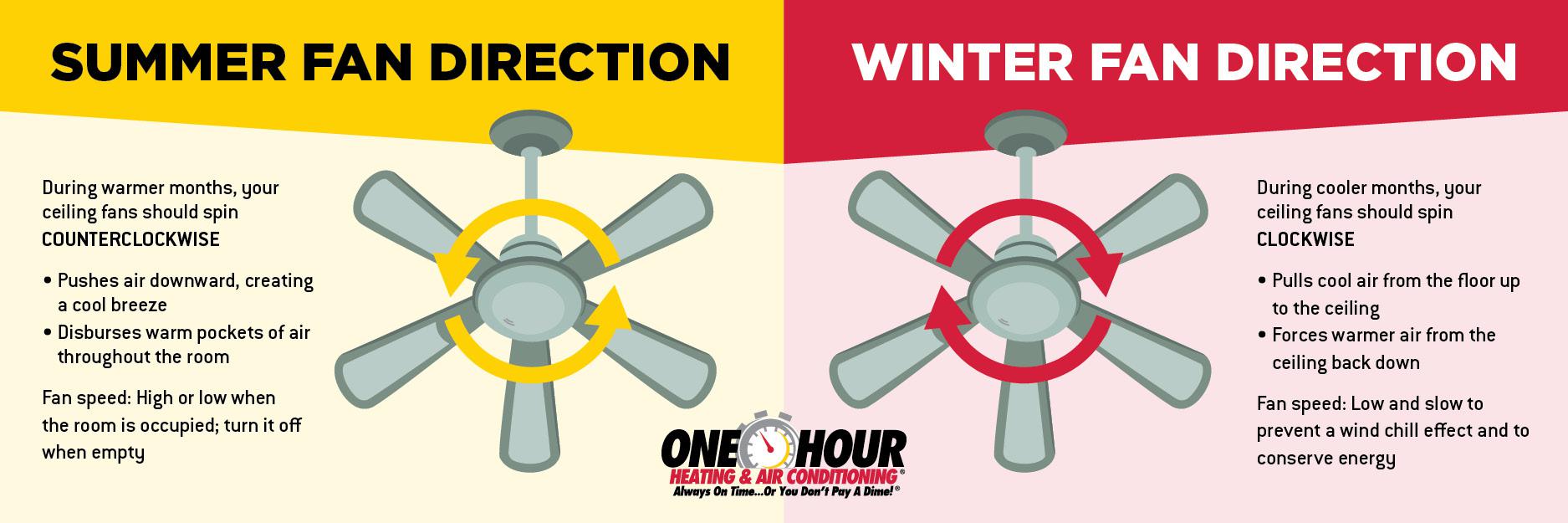
Want to explore this further? It’s super easy! Most ceiling fans have a small switch located on the motor housing that controls the direction of the blades. Experiment! Try both directions and see which feels better to you. Pay attention to how the air feels on your skin. Does it feel like a gentle breeze, or more like the air is just circulating around the room? You can also use a piece of lightweight paper or a streamer to visually observe the direction of the airflow. Hold it near the fan and watch how it moves. The direction the paper or streamer blows indicates the direction of the airflow. Another fun experiment is to measure the room temperature with a thermometer with the fan in both directions and see if there is a noticeable difference. Don’t be afraid to adjust the fan speed as well – sometimes a slower speed is all you need for a subtle but noticeable improvement in comfort.
So, next time you're feeling the summer heat, remember this simple tip. A properly directed fan can be a game-changer in your quest for cool comfort. Happy experimenting, and stay cool!

:max_bytes(150000):strip_icc()/ceiling-fan-rotate-direction-1907533-v4-5ba94e6346e0fb002576cebf.png)