
What Direction Does The Fan Go In The Winter
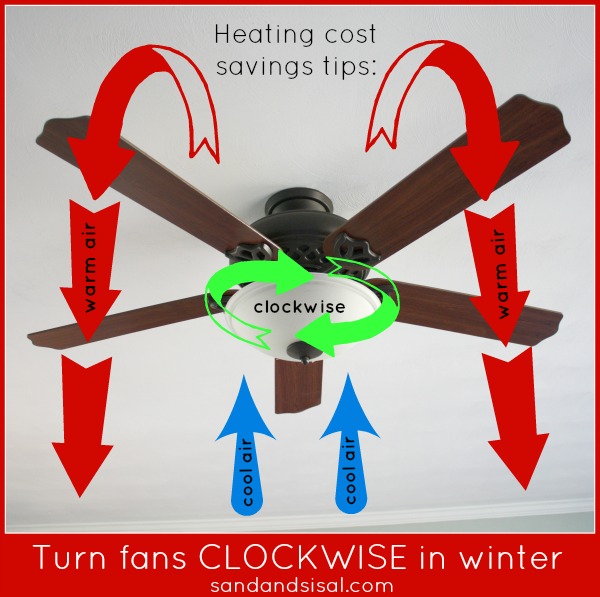
There's something inherently comforting about the gentle whir of a ceiling fan. In the summer, it's a tireless warrior battling stuffiness, a breezy best friend helping us stay cool and comfortable. But as the leaves change and a chill creeps into the air, many of us face a crucial question: should that trusty fan be retired for the season? The answer, delightfully, is no! In fact, your ceiling fan can be a secret weapon in your winter heating arsenal. The key? Understanding which direction it should be spinning.
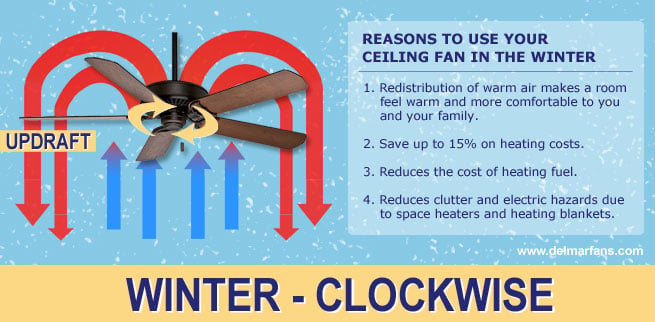
The fundamental benefit of using a ceiling fan in winter is improved energy efficiency and reduced heating costs. Think about it: heat rises. That warm air pumped out by your furnace or radiator collects near the ceiling, leaving the lower part of the room feeling noticeably cooler. A ceiling fan, when used correctly, helps to combat this natural stratification. It gently pushes that warm air back down, circulating it throughout the room and creating a more even and comfortable temperature. This means your heating system doesn't have to work as hard to keep you warm, saving you money on your energy bill. It's like giving your heating system a helping hand – a silent, spinning assist!
You've probably seen ceiling fans in countless homes, offices, and even some restaurants. Their use in the summer is obvious – a direct blast of cool air. But winter application is just as prevalent, although less visually apparent. Common examples include using a ceiling fan in a living room to evenly distribute heat from a fireplace, or in a bedroom to create a more comfortable sleeping environment. Even in open-plan spaces, a ceiling fan can help to prevent heat from escaping to less-used areas.
Must Read
So, how do you make sure your ceiling fan is working for you and not against you in the winter? The crucial step is to change the fan's direction. Most ceiling fans have a small switch, usually located on the motor housing, that controls the direction of rotation. In the summer, you want the fan to spin counter-clockwise (as you look up at it) to create a cooling downdraft. In the winter, you need to switch it to clockwise. This will gently pull the warm air down without creating a noticeable breeze, preventing that uncomfortable "wind chill" effect.
![Ceiling Fan Directions for Summer vs Winter [Infographic]](https://airflowacademy.com/wp-content/uploads/2021/06/Ceiling-fan-directions-infographic-768x1425.jpg)
Here are some practical tips to maximize the effectiveness of your winter ceiling fan strategy:
- Start slow: You don't need the fan running at full speed. A low setting is usually sufficient to circulate the warm air.
- Experiment: Play around with the speed settings to find what works best for your room size and ceiling height.
- Check for drafts: Seal any drafts around windows and doors to prevent heat loss and improve overall energy efficiency. The fan can only do so much if warm air is constantly escaping!
- Consider your ceiling height: For very high ceilings, you might benefit from using a slightly higher fan speed to ensure the warm air reaches the lower levels of the room.
- Dust Regularly: A clean fan operates more efficiently and prevents dust from circulating in the air.
By making this simple adjustment, you can transform your ceiling fan from a summer cooling device to a valuable winter heating ally. So, next time the temperature drops, remember to flip that switch and enjoy the cozy comfort and energy savings!

![Ceiling Fan Directions for Summer vs Winter [Infographic]](https://airflowacademy.com/wp-content/uploads/2021/06/Ceiling-fan-direction.jpg)