
What Degree Do You Need To Be An Electrical Engineer
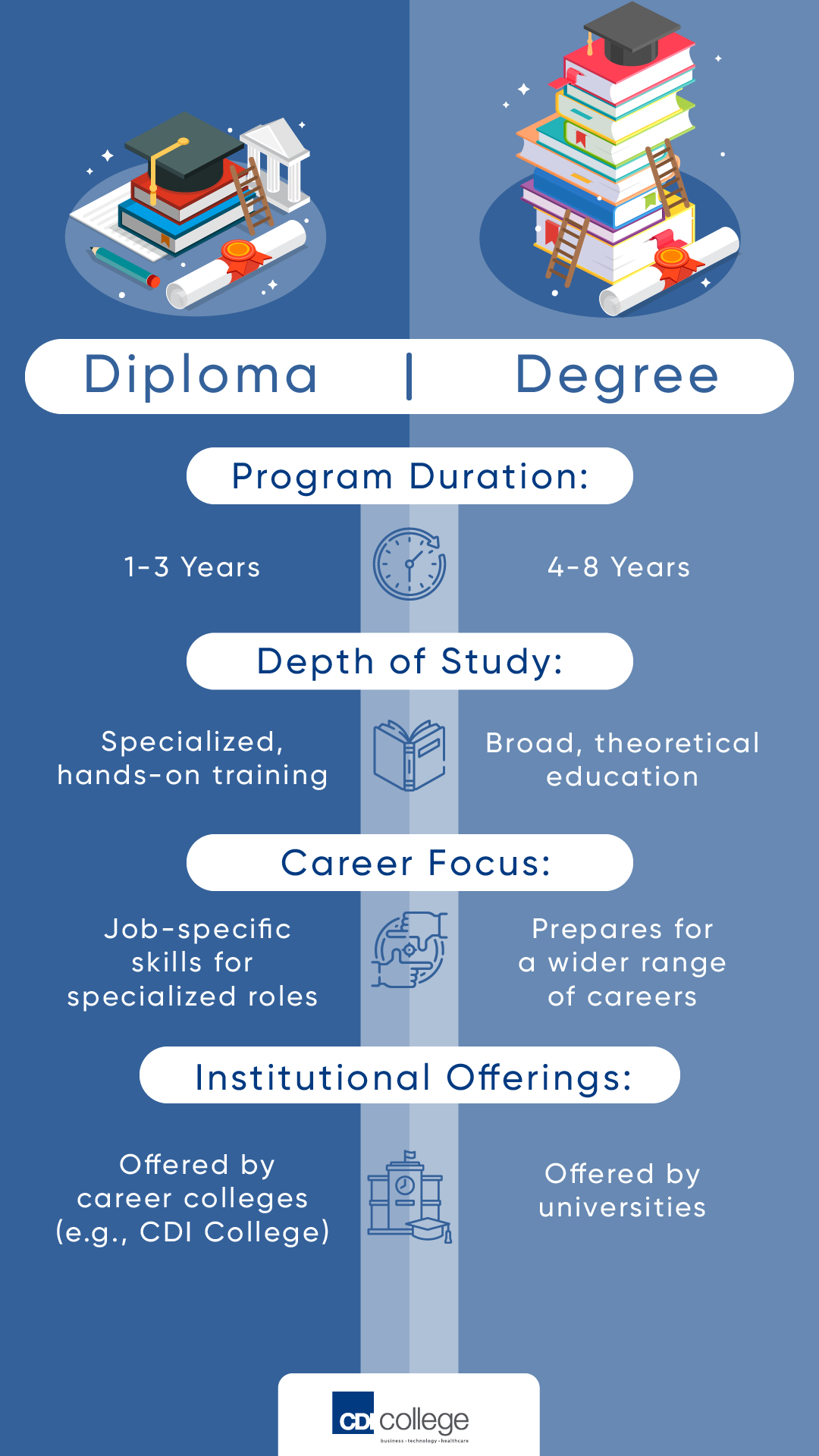
So, you want to be an electrical engineer? Awesome! You want to design robots, power cities, or maybe just make your toaster a little bit smarter. But first, that pesky question: What degree do you actually need?
Everyone says you need a Bachelor of Science in Electrical Engineering (BSEE). Seems simple, right? I'm about to stir the pot, and offer a slightly rebellious, potentially unpopular opinion.
The "Official" Answer: BSEE (Duh!)
Let's get this out of the way. Yes, most electrical engineering jobs officially require a BSEE. Job descriptions practically scream it at you.
Must Read
Your professors will drill it into your head. Even your grandma might ask, "So, you getting that BSEE?" It's the standard. It's the safe bet.
It covers all the fundamentals. Circuits, electromagnetism, signal processing – the whole shebang. You'll learn how to analyze, design, and test electrical systems.
But Here's My Slightly Heretical Thought...
Do you really need exactly a BSEE? That depends. Hear me out before you throw your textbooks at the screen.
What if you’re incredibly passionate about a specific area? What if you already possess some mad skills? The world isn't always black and white, is it?
Sometimes, the best engineers are the ones who think outside the box. Sometimes, the unconventional path leads to brilliance.
Alternative Degree Paths (Gasp!)
Okay, don't faint. I'm not suggesting you ditch college altogether. But consider these options.

Computer Engineering: Think of this as electrical engineering's cooler, more tech-savvy cousin. You'll still learn about circuits and hardware, but with a heavy emphasis on software and embedded systems.
If you're fascinated by the intersection of hardware and software, this might be your jam. You can often land electrical engineering roles with a computer engineering degree, especially in areas like embedded systems or robotics.
Physics: Okay, this one's a bit of a wildcard. But physicists have a deep understanding of the fundamental laws of nature, including electromagnetism. Many physicists have found employment in electrical engineering and related fields.
The math skills are undeniable. The problem-solving abilities are top-notch. With some targeted coursework and experience, a physics degree can open doors to electrical engineering careers.
Mathematics: This is a common pre-engineering degree for those who struggle to get admitted directly into the electrical engineering program of a university. Math is the foundation to engineering, so a strong background is useful.
Mechanical Engineering: Mechanical engineers often work closely with electrical engineers on projects involving robotics, automation, and mechatronics. A solid understanding of electrical systems is often a plus in mechanical engineering.

Related Fields: Look at degrees in mechatronics, robotics, or even materials science. These fields often overlap with electrical engineering principles. Tailor your coursework and projects to gain relevant skills.
The Secret Ingredient: Skills (Not Just Degrees)
A degree is a piece of paper. It proves you sat through classes and (hopefully) learned something. But it doesn't guarantee you're a good engineer.
The real secret is skills. Practical skills. The ability to build, troubleshoot, and innovate.
Think about it. Can you design a circuit? Can you program a microcontroller? Can you debug a complex system?
How to Build Your Skills (Even Without the "Perfect" Degree)
Personal Projects: This is where the magic happens. Build something! Anything! A robot, a home automation system, a custom guitar pedal. The possibilities are endless.
Personal projects demonstrate your passion and initiative. They show potential employers that you're not just book-smart, you're hands-on.
Open Source Contributions: Contribute to open source hardware or software projects. It's a great way to learn from experienced engineers and build your portfolio.
Working on real-world projects is invaluable. You'll learn about teamwork, version control, and the challenges of developing complex systems.
Internships: Internships are the holy grail. They provide real-world experience and a chance to network with professionals in the field. Take any internship, even if it's not exactly your dream job.
The experience and connections you gain are priceless. You'll learn what it's really like to be an electrical engineer.
Online Courses and Certifications: Supplement your formal education with online courses and certifications. Learn specific skills like PCB design, embedded programming, or signal processing.
Websites like Coursera, Udemy, and edX offer a wealth of resources. You can learn at your own pace and gain valuable credentials.

The "Unpopular" Truth: Passion Trumps Paper
Look, I'm not saying a BSEE is useless. It's a valuable degree. It provides a solid foundation. But passion and skills can often compensate for a less-than-perfect degree.
If you're genuinely passionate about electrical engineering, you'll find a way. You'll learn the skills you need. You'll build a portfolio that speaks for itself.
Employers are ultimately looking for problem-solvers. They want people who are creative, resourceful, and passionate about their work. If you can demonstrate those qualities, your degree becomes less important.
My (Potentially) Controversial Conclusion
While a BSEE is the most direct path, it's not the only path. A related degree, combined with a strong skillset and a demonstrable passion for electrical engineering, can absolutely land you a job.
Don't be afraid to think outside the box. Don't be afraid to pursue your passions. Don't let a piece of paper define your potential.
So, the answer to "What degree do you need to be an electrical engineer?" is... it depends. It depends on your skills, your passion, and your willingness to learn. And maybe, just maybe, a little bit of luck.
Now go build something awesome!