What Countries Are In The Pacific Ring Of Fire
Volcanoes, earthquakes, tsunamis – oh my! For some, these words conjure images of disaster and devastation. But for others, there's a morbid curiosity, a fascination with the sheer power and drama of our planet expressing itself. We're drawn to the edge, to the places where the Earth breathes fire, and that brings us to the Pacific Ring of Fire. It's a bit like watching a thrilling disaster movie – you know it's (hopefully!) not happening to you, but you can't look away from the spectacle.
The Pacific Ring of Fire isn't just about dramatic explosions and terrifying tremors; it's a vital, albeit volatile, force that shapes our world. Think about it: volcanic activity creates incredibly fertile soil, perfect for agriculture. Geothermal energy, a byproduct of this intense tectonic activity, offers a clean and sustainable power source. The very landscapes we admire, from snow-capped mountains to dramatic coastlines, are often the result of these geological processes. Even the precious metals and minerals we rely on are often formed in volcanic and tectonic environments. So, even if you're not consciously thinking about it, the Ring of Fire indirectly benefits your everyday life, providing resources, energy, and shaping the very ground beneath your feet.
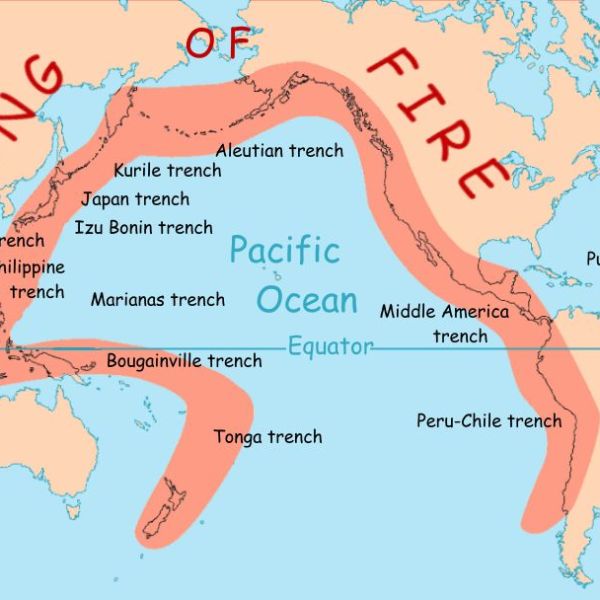
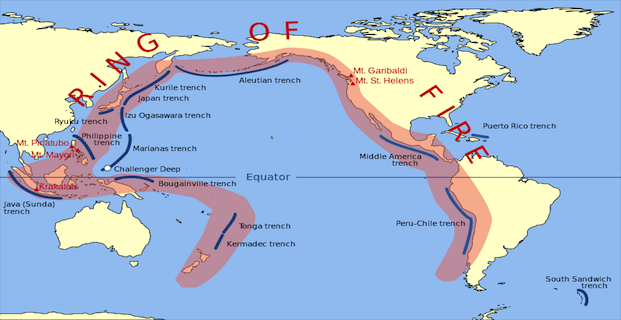
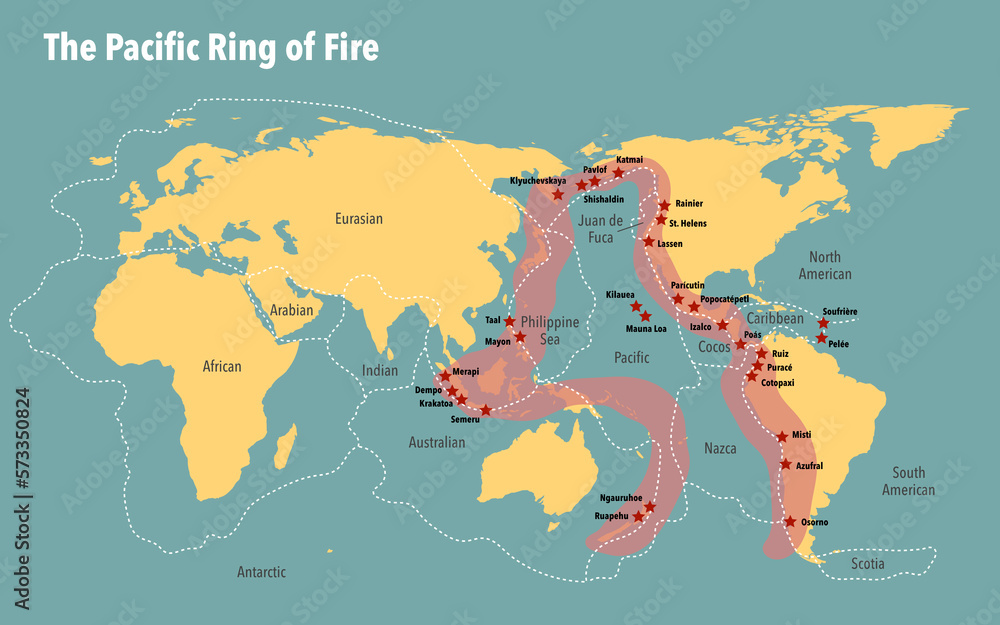
So, what countries are actually in the Ring of Fire? The list is pretty extensive, circling the Pacific Ocean like a fiery necklace. We're talking about nearly the entire Pacific coastline! Think Japan, famous for its iconic Mount Fuji and frequent earthquakes. Then there's Indonesia, an archipelago teeming with volcanoes. The Philippines are also squarely in the danger zone, along with much of New Zealand. Across the ocean, the West Coast of the Americas is deeply affected, including Chile, Peru, Ecuador, Colombia, Central America (Guatemala, El Salvador, Nicaragua, Costa Rica, and Panama), Mexico, the United States (specifically California, Oregon, and Washington), and finally, Canada (British Columbia and Yukon). Even parts of Russia and some Pacific island nations like Papua New Guinea, Fiji, and the Solomon Islands are considered part of the Ring. That's a lot of landmass experiencing the Earth's raw power!
Must Read
Now, if you're intrigued by the Ring of Fire and want to learn more, or perhaps even visit some of these amazing places (safely, of course!), here are a few practical tips. First, do your research! Understand the specific risks associated with each region. Are you visiting a known earthquake zone? Is there an active volcano nearby? Check geological surveys and emergency preparedness websites. Second, respect the local culture and heed any warnings issued by authorities. These communities have often lived alongside these natural forces for generations and possess invaluable knowledge. Third, consider visiting during the off-season to avoid crowds, but be mindful of potential weather changes associated with that time of year. Fourth, and perhaps most importantly, be prepared. Know the evacuation routes, have a first-aid kit, and understand basic safety procedures. Lastly, remember to appreciate the stunning beauty and unique geological features that this dynamic region offers. The Ring of Fire is a place of both immense power and incredible beauty, a reminder of the forces that shape our planet and our lives.