
What Causes A Tornado To Stop
Alright, let's talk tornadoes! We all know they're these incredible, swirling behemoths of destruction, right? But here's the thing: they don't just hang around forever, causing chaos like some kind of grumpy, perpetual giant. Eventually, even the mightiest tornado has to call it a day. So, ever wondered what makes these incredible atmospheric dancers finally give up the ghost? It’s pretty fascinating, actually, and not always for the reasons you might think!
The Fuel Tank Runs Dry!
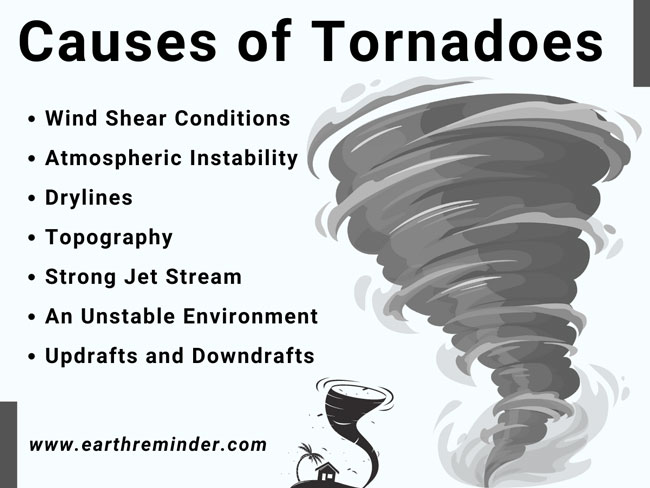
Imagine a monster truck race. That truck needs fuel, right? Tons of it! Well, tornadoes are kind of similar. They absolutely guzzle warm, moist, unstable air. This is their prime energy source, their high-octane rocket fuel. When that supply gets cut off, the party's pretty much over.
Think of it like this: a tornado is born from a supercell thunderstorm, which acts like a giant pump, sucking up all that juicy warm air. But as the storm moves, or if the environment around it changes, that crucial warm air inflow can just… disappear. Poof! No more warm air? No more tornado. It’s a bit like a vacuum cleaner suddenly unplugged. It just loses its oomph.
Must Read
Sometimes the storm literally moves into an area where the air is cooler and drier. It’s like trying to light a bonfire with damp wood – just not going to happen efficiently. So, the first big reason a tornado stops is pretty straightforward: it runs out of gas!
It Chokes Itself Out! (The Rear Flank Downdraft)
Okay, this one is probably the most common and coolest way a tornado bites the dust. It's called the Rear Flank Downdraft, or RFD for short. Sounds complicated, right? But it's actually super quirky. Imagine a spinning top. It needs to keep spinning fast to stay upright.

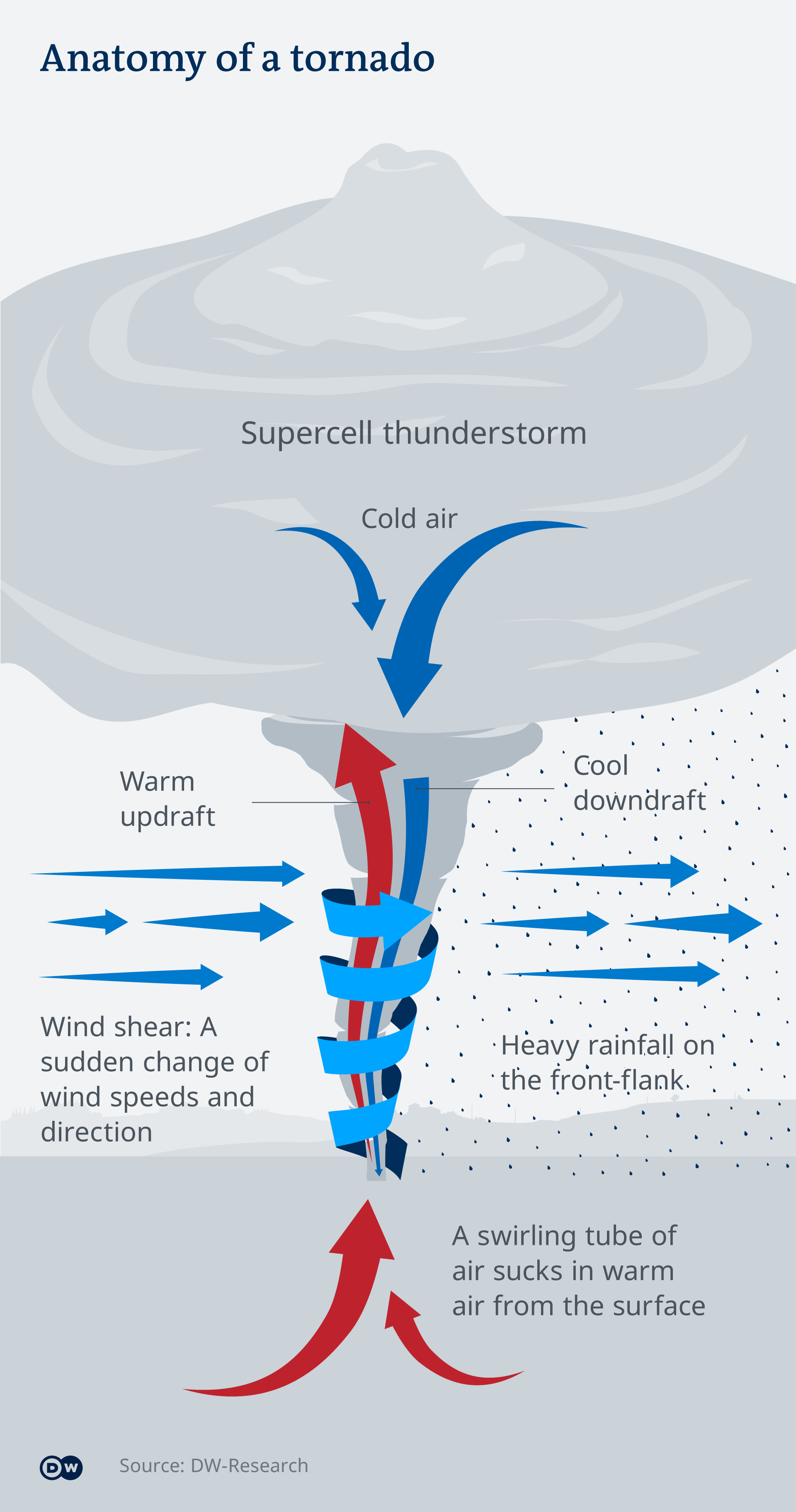
As a supercell storm matures, it starts to produce its own cold air, particularly on the back side. This cold air sinks rapidly and then wraps around the tornado's circulation like a giant, icy blanket. This RFD basically cuts off the tornado's own supply of warm, moist air, which, as we just learned, is its lifeblood!
It’s almost like the tornado is tripping over its own feet or, well, choking itself silly with its own cold air! The RFD starves the updraft that feeds the tornado, and without that steady stream of rising warm air, the vortex quickly weakens and dissipates. It’s a dramatic, self-destructive end for many twisters.
Atmospheric Mischief (Wind Shear & Stability)
Tornadoes are like Goldilocks when it comes to atmospheric conditions – everything has to be just right. They need specific levels of wind shear (winds changing speed and direction with height) to get spinning. But if that shear suddenly becomes too weak, or even too strong in the wrong way, the tornado can weaken.
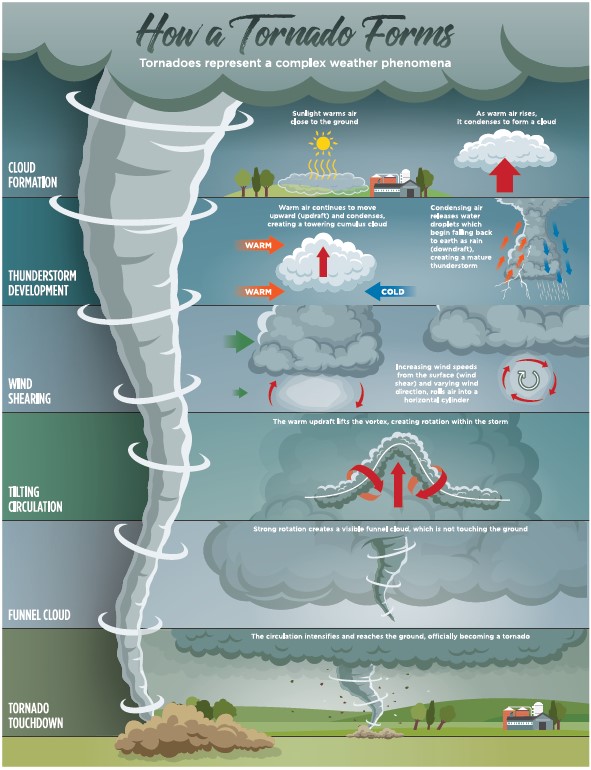
Think of it as a really delicate dance. If the music changes tempo too much, the dancers get all out of sync! The storm's structure, which is vital for maintaining the tornado, can start to fall apart.
Also, if the air suddenly becomes more stable (less buoyant, less likely to rise), it's another nail in the tornado's coffin. That unstable air is what creates the powerful updrafts. If the atmosphere decides to calm down, the tornado just loses its lift and kind of… sags away.
Terrain Troubles (Do Tornadoes Care About Mountains?)
This is a fun one to ponder! Can a mountain stop a tornado? It’s not a definite "yes," but terrain can definitely play a role. Mountains, for instance, can disrupt the airflow patterns that a storm needs to sustain a tornado. Imagine trying to keep a perfectly smooth spin going while bouncing over bumps and hills – tough, right?
While rare for a mountain to just poof a tornado out of existence instantly, complex terrain can weaken the storm's updraft or distort the circulation, making it harder for the tornado to maintain its structure. It's less about the mountain physically blocking it and more about the mountain messing with the atmospheric recipe.
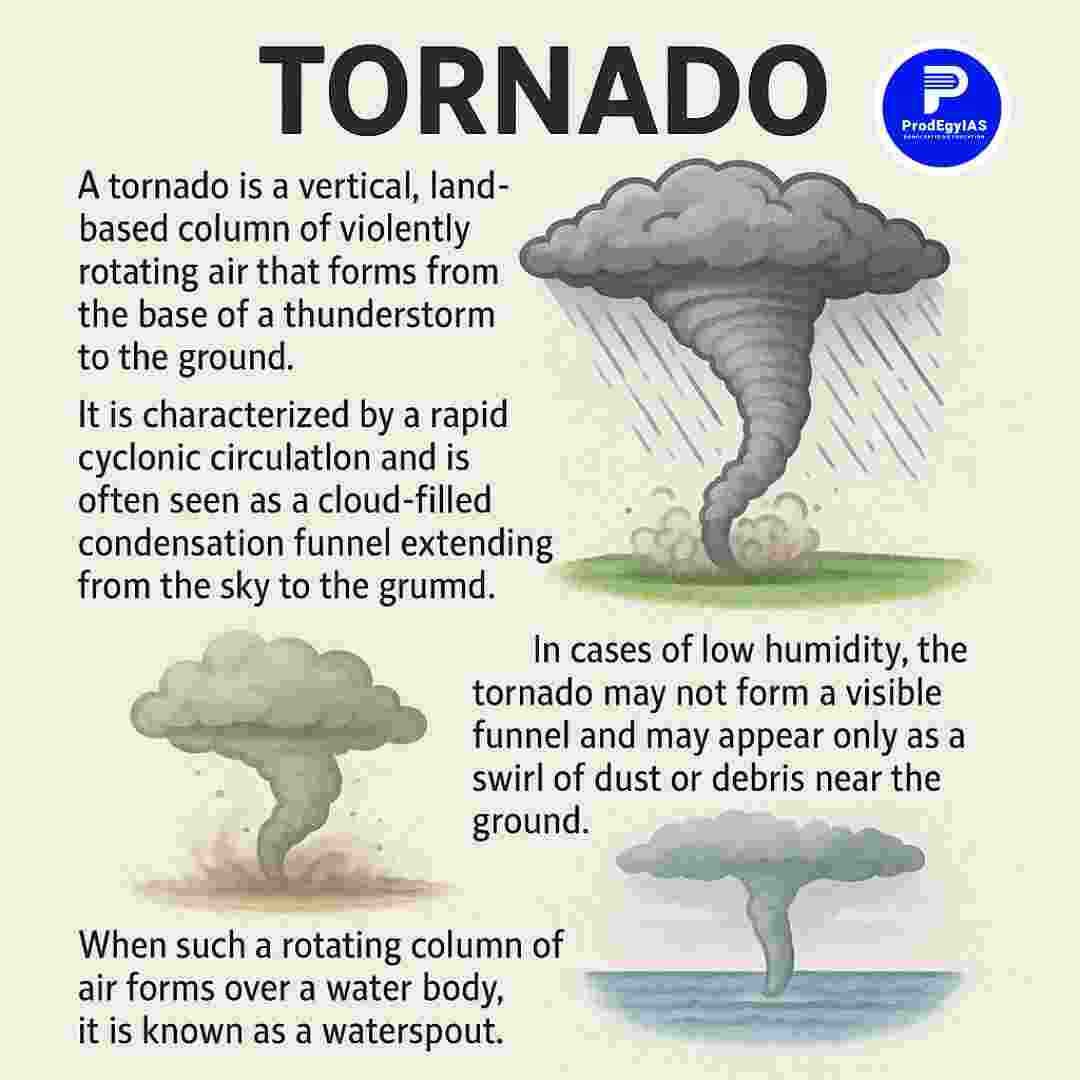
Large bodies of water, too, can influence things. While waterspouts exist, land-based tornadoes generally don't thrive over vast expanses of water because the surface changes the heat and moisture exchange with the atmosphere, often cutting off their warm, moist air supply. So, while a lake won't put out a tornado like a fire, it can certainly make it uncomfortable!
Sister Storms & Family Feuds!
Sometimes, tornadoes don't operate in isolation. Supercells can split, or multiple storms can interact. If another, stronger storm cell develops nearby, it can sometimes "steal" the energy or inflow from a weaker, tornadic storm, essentially siphoning off its fuel and causing it to dissipate.
It's like a family of hungry puppies, and one just got bigger and hogged all the food! The smaller, less dominant storm (and its tornado) might just fade away because it can't compete for that precious warm, moist air. So, sometimes a tornado stops because a bigger, badder storm came along and out-competed it!
So there you have it! Tornadoes are amazing, powerful phenomena, but they're also surprisingly fragile in some ways. They run out of gas, they choke themselves silly with cold air, or the atmosphere just stops cooperating. The next time you see a storm brewing (from a safe distance, of course!), you'll know there's a whole dramatic lifecycle playing out, from incredible birth to fascinating demise. Pretty wild stuff, right?