What Causes A Tornado To Happen

Have you ever watched a powerful storm rumble across the sky and wondered about the immense forces at play? Few natural phenomena capture our imagination quite like tornadoes – nature's most violent and mesmerizing storms. Understanding how these swirling giants form isn't just fascinating; it's incredibly useful! By demystifying the science, we can better appreciate our planet's raw power and, more importantly, prepare for these incredible events. So, buckle up – we're diving into the exciting atmospheric dance that creates a tornado!
At its heart, a tornado is born from a specific, powerful thunderstorm called a supercell. What makes a supercell special enough to spawn a twister? It's a potent mix of three crucial atmospheric ingredients, often colliding in places like the central United States' "Tornado Alley."
First, you need plenty of warm, moist air – the fuel, typically from the Gulf of Mexico, full of energy and ready to rise. When this humid air meets cooler, dry air, often from the Rocky Mountains or Canada, you get an unstable atmosphere ripe for big storms. The warm air wants to rise, and the cold air wants to sink – a recipe for vertical motion.
Must Read
However, the real magic – and the key to rotation – is wind shear. Imagine winds at different altitudes blowing in different directions or at wildly different speeds. For example, surface winds might come from the south, while higher winds scream from the west. This difference creates an invisible, horizontal "rolling pin" effect, making a column of air begin to spin horizontally, much like a log rolling along the ground.
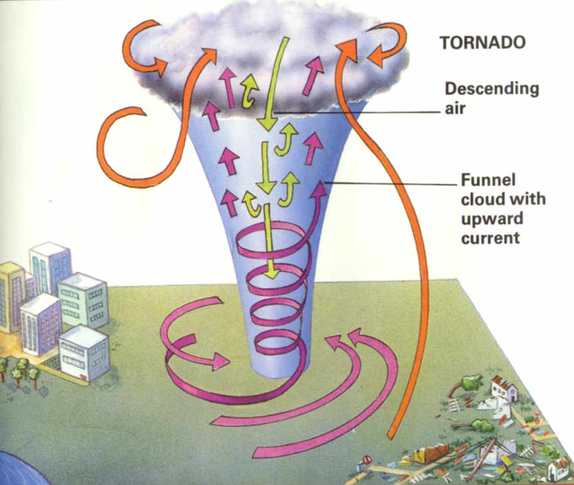
Now, here's where the supercell really gets going! If there's a strong updraft within the thunderstorm – a powerful column of air rushing upwards – it can tilt that horizontally spinning "log" vertically. As the updraft lifts this rotating air, it gets stretched and tightened, much like a figure skater pulling in their arms to spin faster. This intense, vertically rotating column inside the storm is called a mesocyclone.
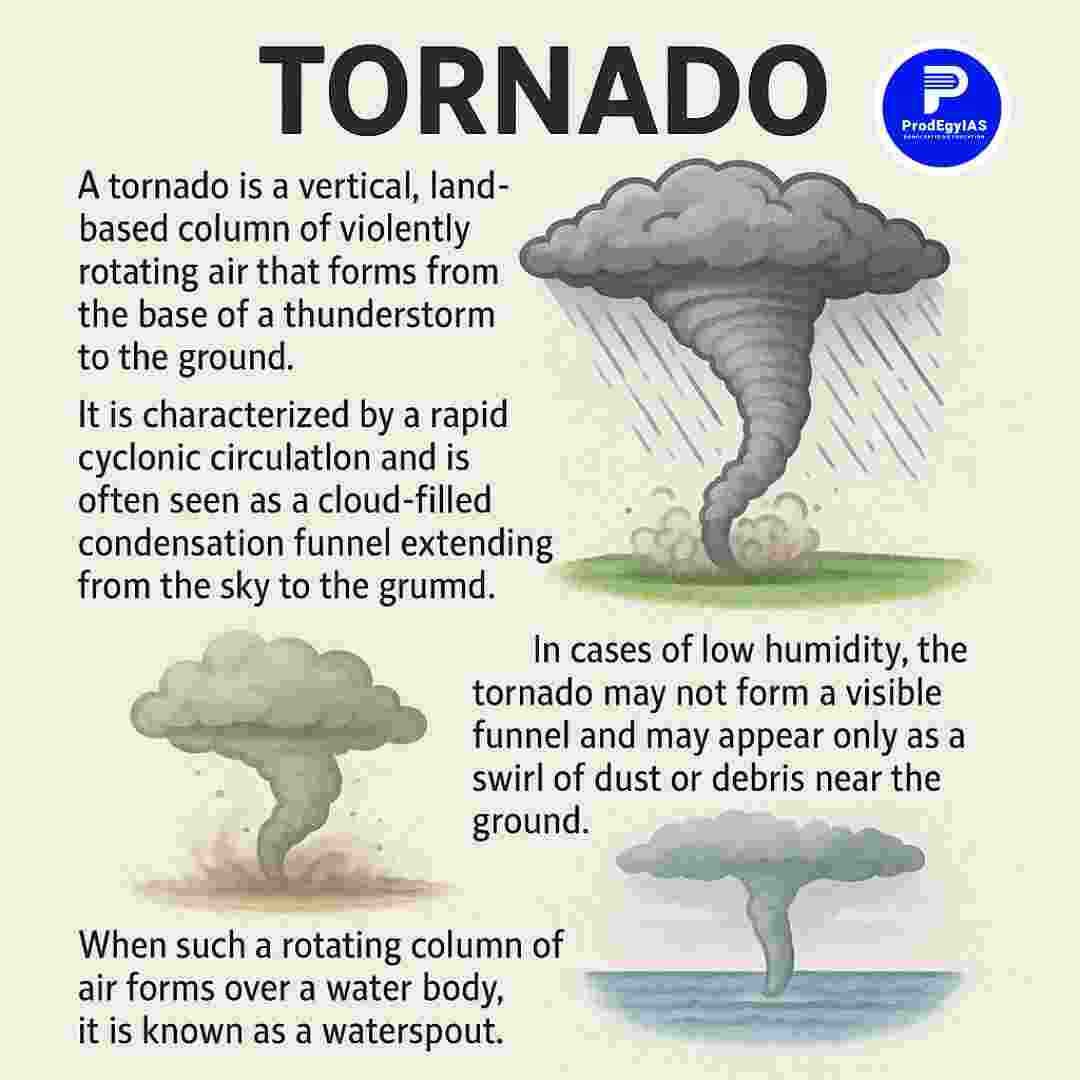
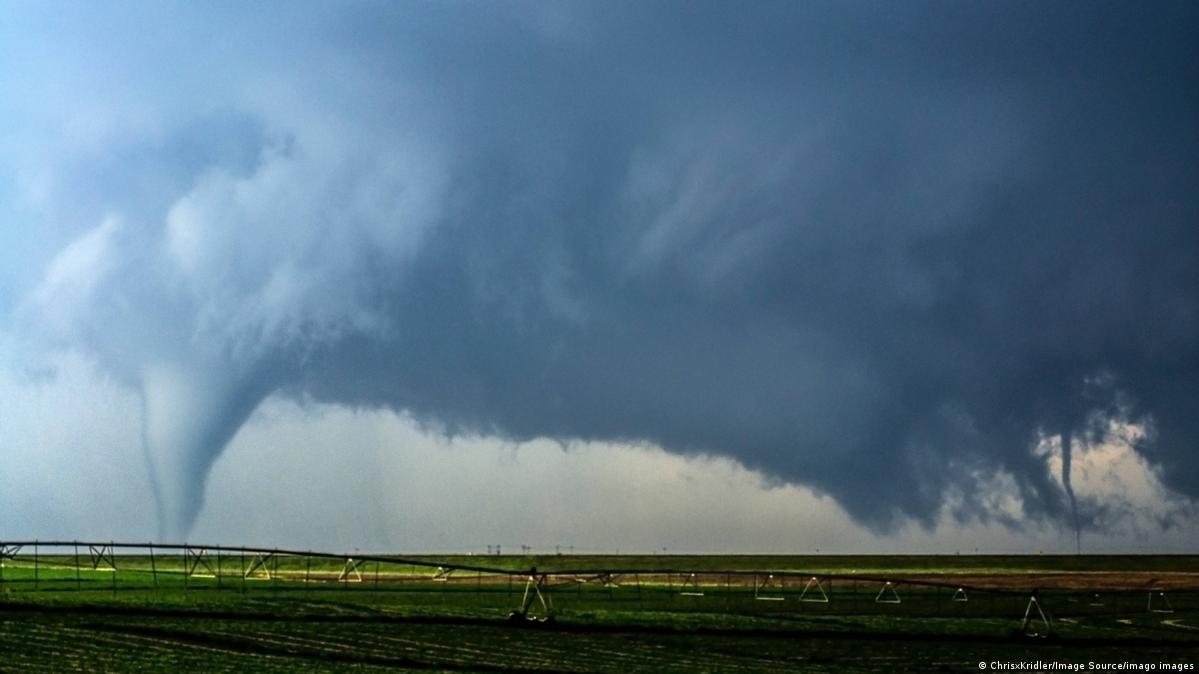
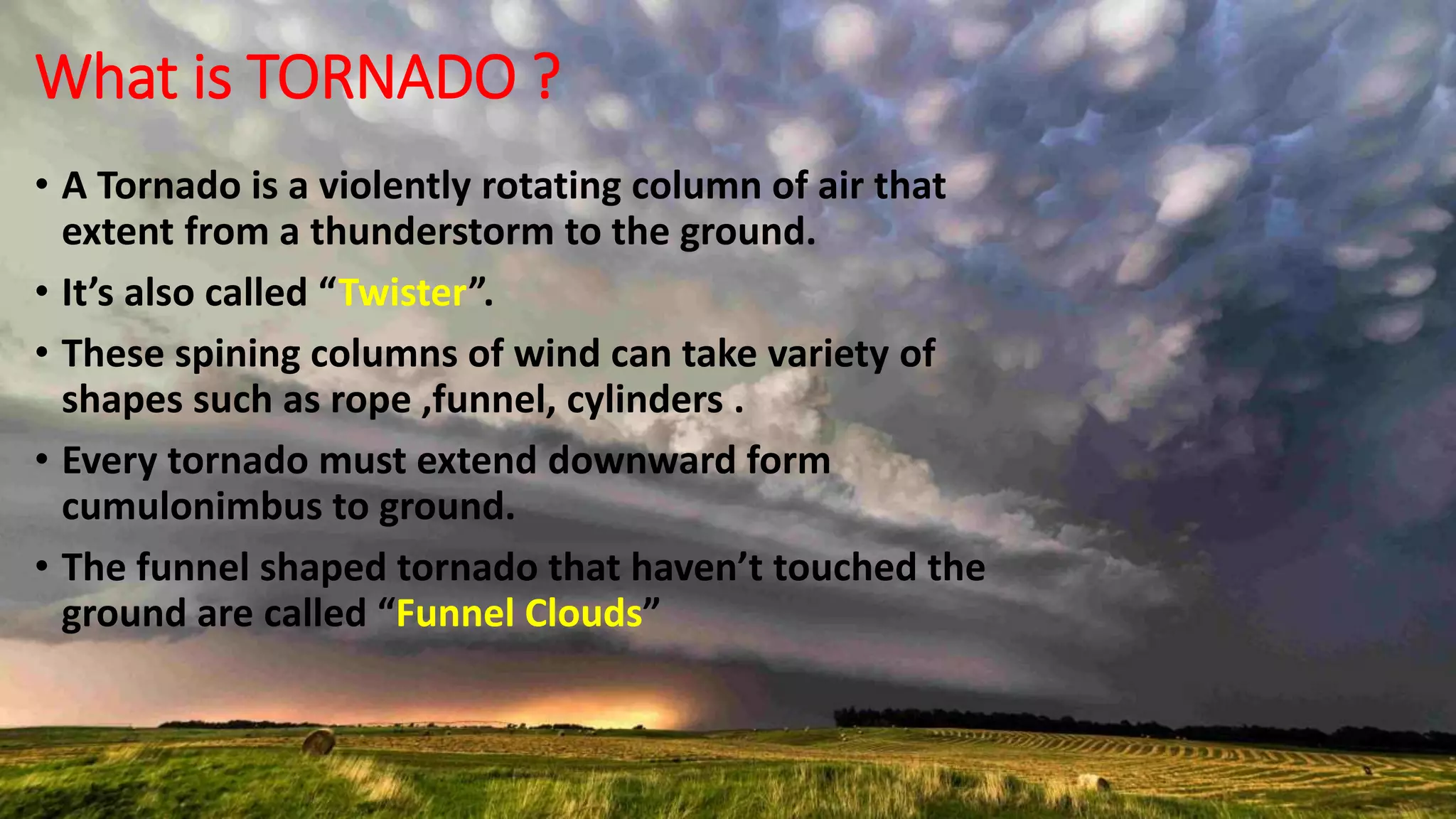
Once a strong mesocyclone forms, it's game on for a potential tornado. As the air within continues to spin and contract, it creates an area of extremely low pressure. This low pressure pulls air down and condenses moisture, making the rotation visible as a funnel cloud. If this spinning column extends all the way down and touches the ground, congratulations – you've officially got a tornado!
It's an intricate, powerful ballet of warm air, cold air, and twisting winds that culminates in one of nature's most spectacular displays. Understanding these ingredients helps us appreciate our atmosphere's complexity and provides vital knowledge for staying safe. So next time you hear about a tornado, you'll know it's not just a random act of nature, but the incredible result of very specific atmospheric conditions dancing together.