What Causes A Hurricane To Form
Have you ever looked up at the sky during a wild storm and wondered, "How on Earth does all that happen?" There's something truly mesmerizing about the raw power of nature, especially when it comes to a hurricane. It’s not just a weather phenomenon; it’s a colossal engine, fueled by the ocean and atmosphere, and understanding what causes a hurricane to form is like peering into the very heart of our planet's energy systems. It's a fantastic journey of discovery, offering insights into weather and our world's balance.
Learning about hurricane formation isn't just for scientists; it's incredibly useful for all of us. The primary purpose of understanding these concepts is to foster a deeper appreciation for meteorology and help us prepare for powerful storms. The benefits are clear: better preparedness means greater safety. When we know the ingredients needed, we can better interpret forecasts, understand the science behind storm warnings, and make informed decisions when a storm threatens, shifting us from merely observing to understanding.
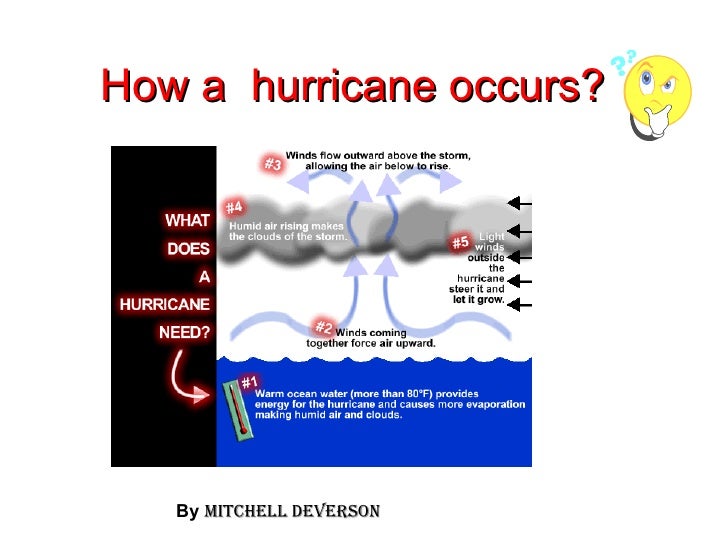
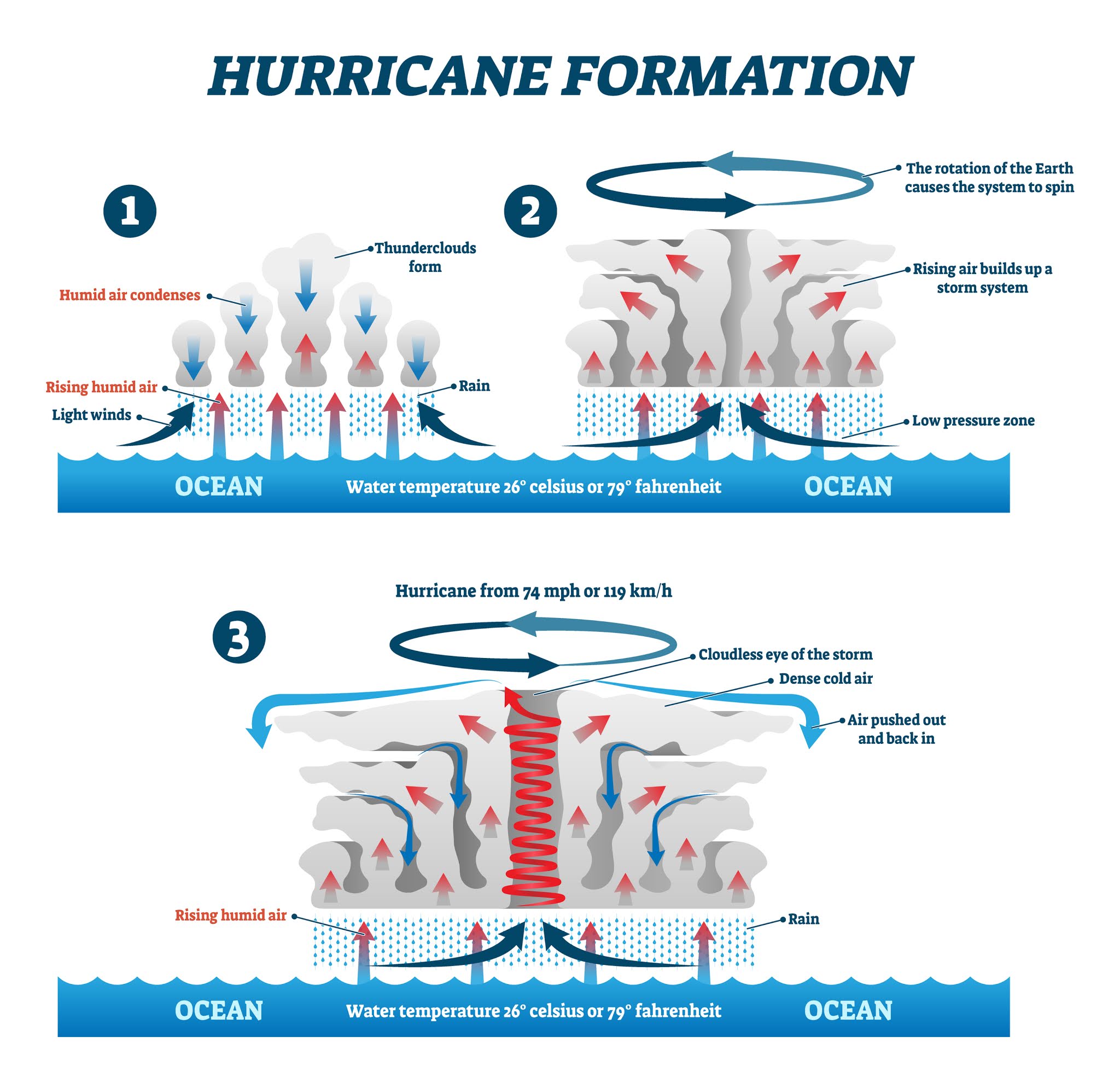
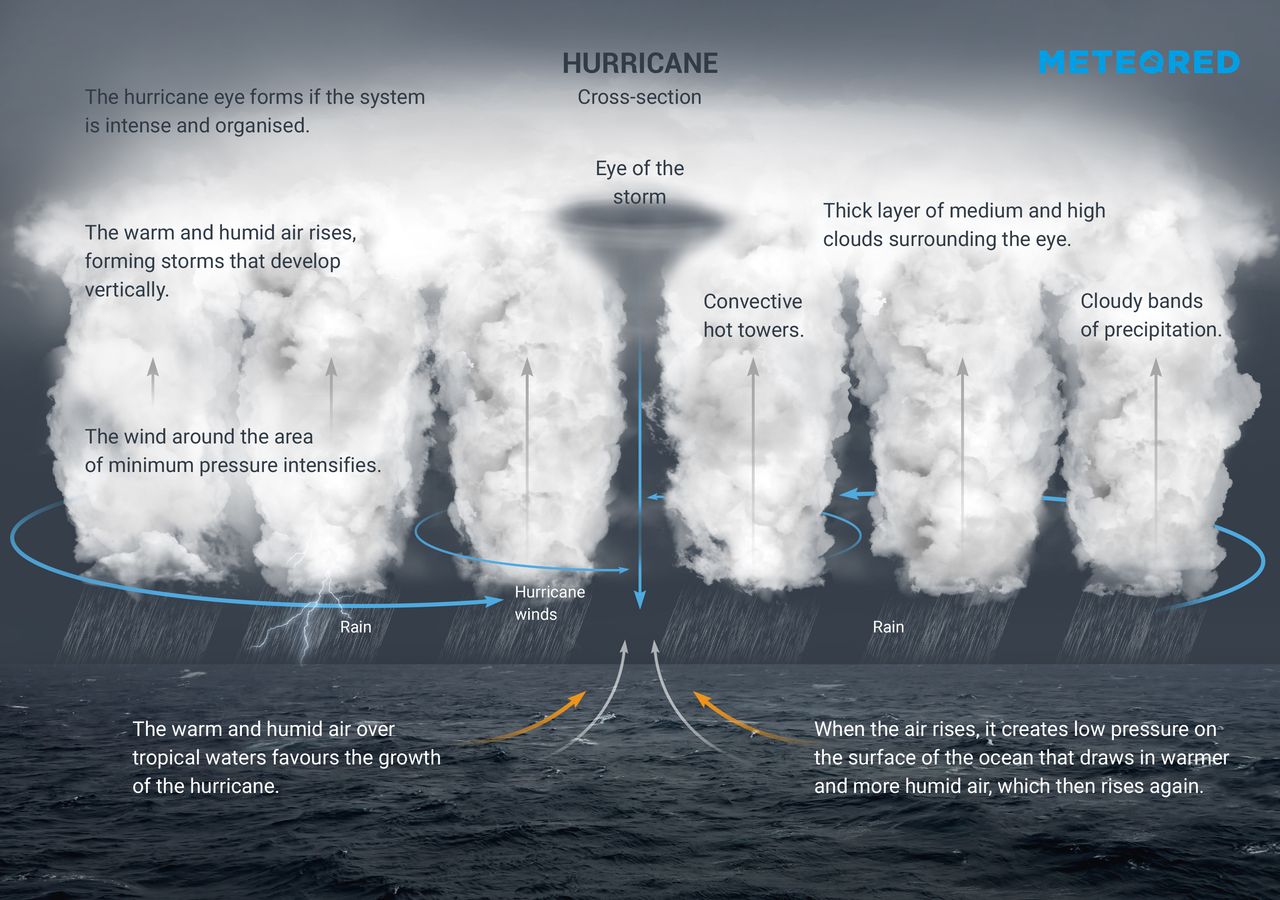
So, what are these crucial ingredients? Think of it like a cosmic recipe with five key elements. First, you need really warm ocean water – at least 80°F (26.5°C) stretching down about 150 feet or more. This warm water fuels the hurricane, evaporating and rising. Next, moist air, extending high into the troposphere, keeps the convection (rising warm, moist air) strong.
Must Read
Another critical factor is low wind shear. This means winds at different altitudes aren't blowing drastically differently. High wind shear would tear a developing storm apart, but low shear allows it to build vertically and organize. Then, there needs to be a pre-existing atmospheric disturbance, like a tropical wave or a cluster of thunderstorms. This acts as the initial spark or "seed." Finally, and this is where the spinning comes in, you need the Coriolis effect. This rotational force, caused by the Earth's spin, is what gets the storm to swirl, eventually forming that iconic eye and spiral bands. Without it, you'd just have thunderstorms, not a hurricane.
This knowledge has many uses! In education, it's fundamental to geography, climate science, and advanced meteorology courses. For those in daily life, understanding these factors helps us contextualize weather reports during hurricane season. When the news talks about "favorable conditions," you now know they're referring to warm waters, low shear, and moisture. This empowers you to take storm warnings seriously and plan accordingly, whether securing your home or when to evacuate.
Want to explore this fascinating topic further? It’s easier than you think! A great practical tip is to simply follow the National Hurricane Center (NHC) or NOAA websites during hurricane season. They offer incredible satellite imagery and explanations. Watch documentaries about extreme weather, check online weather models, or learn about ocean currents and atmospheric dynamics. Understanding hurricanes is a powerful way to connect with the immense forces that shape our planet, making you an informed participant in our world's story.