What Category Hurricane Was Hurricane Harvey

Hurricane Harvey. Even the name evokes a sense of dramatic weather and, unfortunately, devastating impact. But beyond the news headlines, understanding the intensity of such a storm can be fascinating, sparking curiosity and offering a deeper appreciation for the power of nature. It's like admiring a powerful, albeit destructive, piece of art - a display of raw energy that reshapes the landscape.
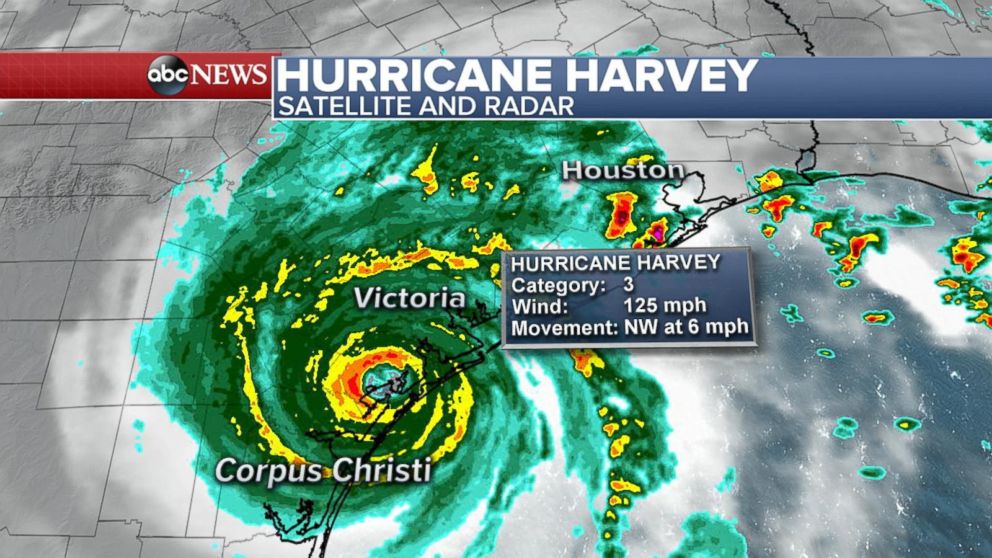
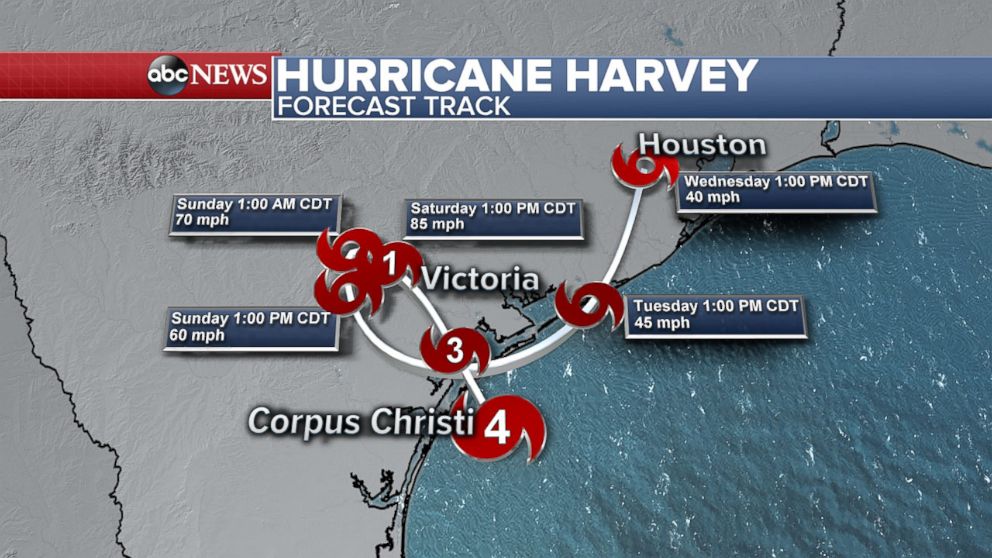
While it might seem odd, knowing the category of a hurricane can be surprisingly beneficial, even for those without a scientific background. For artists, understanding the forces at play helps to visualize the scale and drama. Imagine painting a seascape dominated by towering waves and windswept clouds – knowing the wind speed of a Category 4 hurricane (like Harvey at its peak) provides a concrete reference point for your artistic interpretation. For hobbyists, it's about expanding your general knowledge and sparking conversations. Sharing informed insights about historical weather events can make you a more engaging conversationalist. And for casual learners, understanding the Saffir-Simpson Hurricane Wind Scale demystifies complex weather phenomena and helps you interpret future weather reports with greater confidence.
Consider the artistic interpretations. A realistic painting might focus on the grey, turbulent skies and the flooded streets of Houston, capturing the somber mood. A more abstract approach could use swirling blues and grays to represent the storm's energy and movement. Subject matter could vary from individual acts of heroism during the storm to the long-term environmental impact on coastal ecosystems. You could even explore variations like pre-Harvey scenes versus post-Harvey, highlighting the storm's transformative power. Knowing that Harvey reached Category 4 strength with winds up to 130 mph helps inform the intensity of detail and emotion you portray.
Must Read
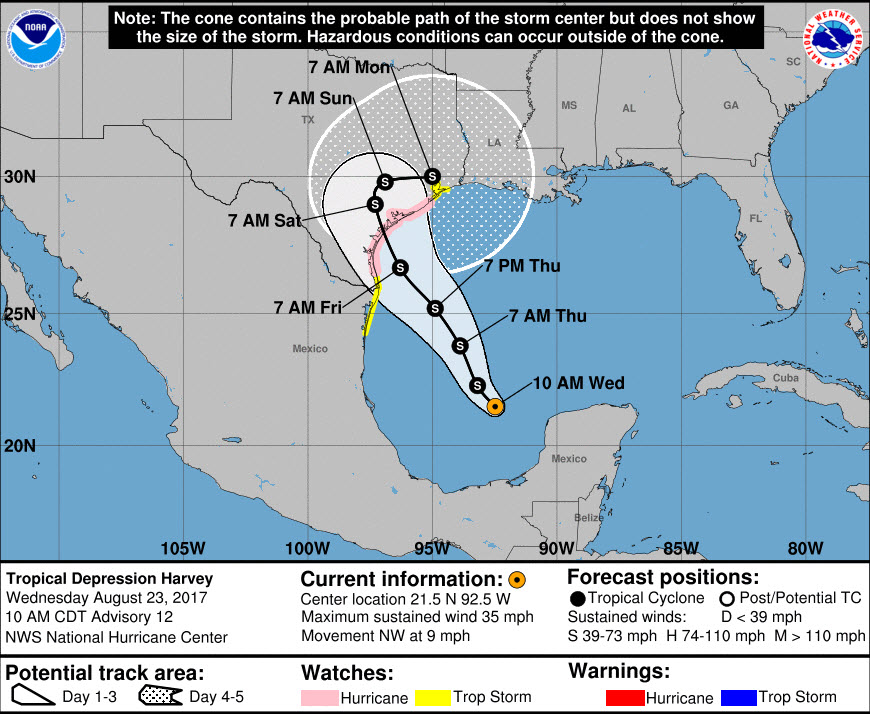
Want to explore this at home? Start by researching Hurricane Harvey's path and impact. Then, gather your materials – paints, pencils, clay, or even digital art software. Don't aim for perfection; focus on conveying the emotional impact of the storm. Experiment with different techniques to represent wind, rain, and flooding. Use photographs and news reports as reference, but allow your imagination to guide you. A simple exercise could be sketching the same scene – a tree, a house – under different hurricane categories, emphasizing the escalating damage with each level.
Understanding the science behind a storm like Hurricane Harvey, even on a basic level, can make the natural world feel less daunting and more understandable. It offers a glimpse into the complex interplay of atmospheric forces and underscores the importance of preparedness and resilience. Ultimately, it's enjoyable because it connects us to a larger story – the story of our planet, its power, and our place within it. The knowledge empowers us to appreciate the beauty and intensity of nature, even in its most destructive forms.