What Battery Goes In A Smoke Detector
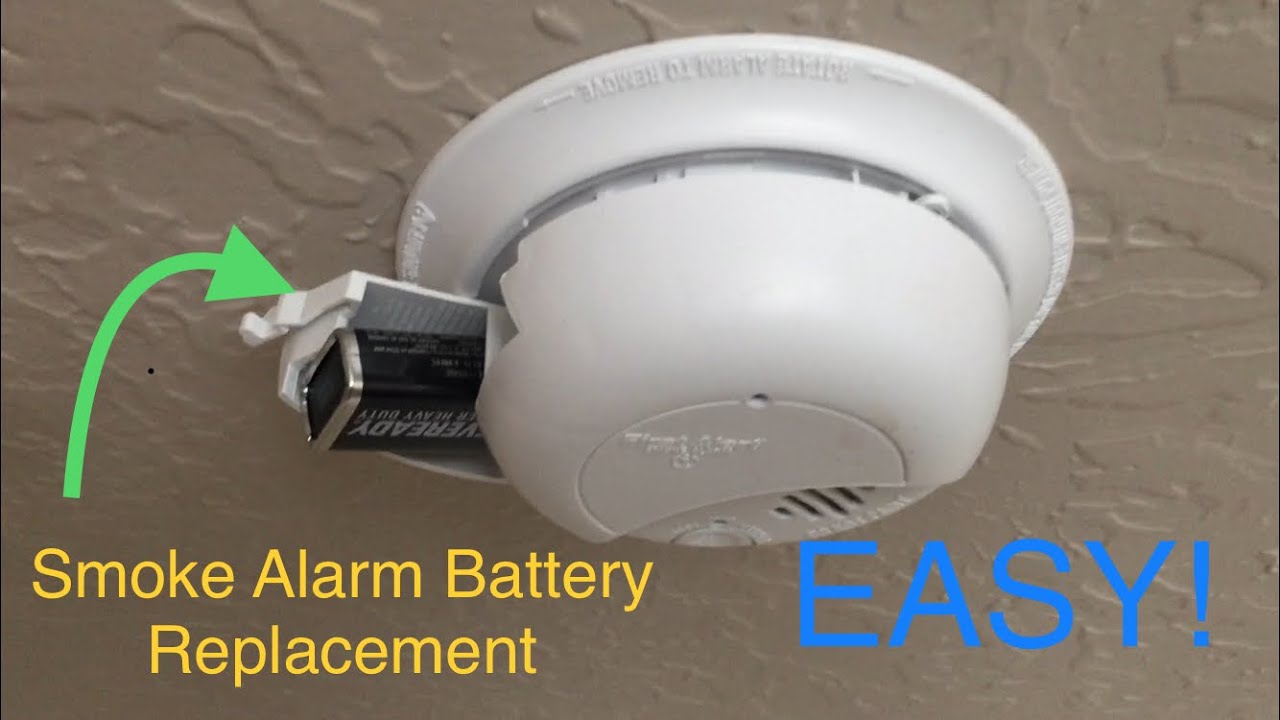
Ah, the sweet symphony of domestic bliss. Birds chirping, coffee brewing, and then… BEEP! A single, piercing, soul-crushing beep from the ceiling. You know it. I know it. We’ve all been there. It’s the dreaded smoke detector, demanding attention like a petulant toddler who’s discovered a new noise. And suddenly, your peaceful morning transforms into an epic quest: What battery goes in a smoke detector?!
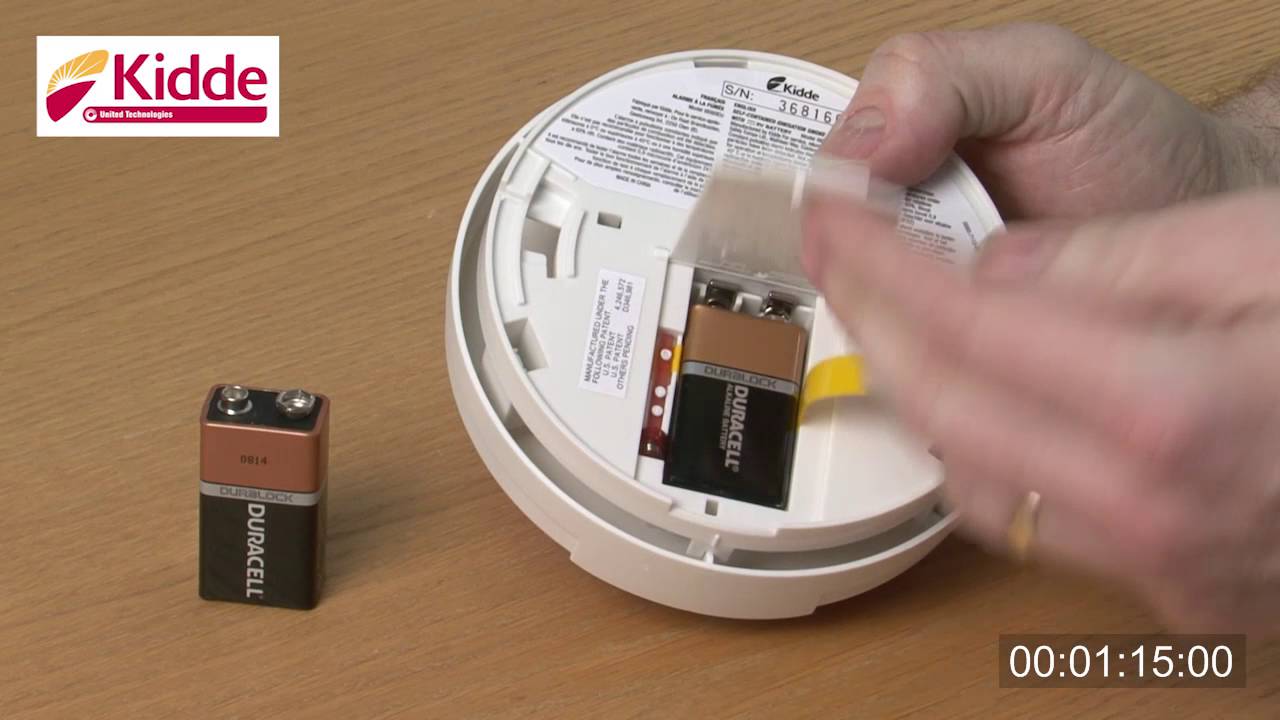
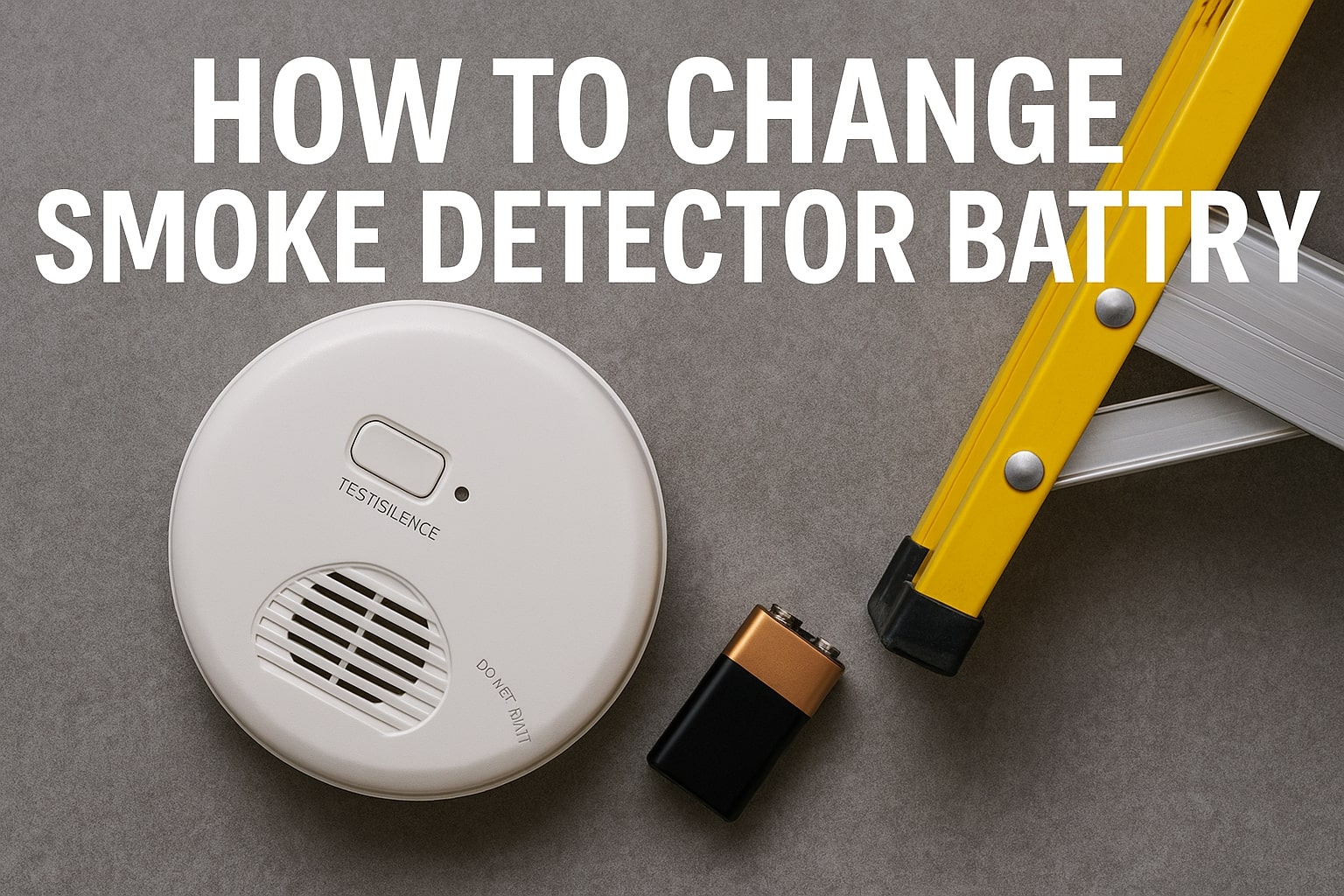
For many of us, the answer is etched into our collective memory, right alongside knowing that socks mysteriously disappear in the laundry. We instinctively reach for that peculiar, rectangular block, the one that looks like two AAA batteries glued together in a tiny, chunky backpack. Yes, I'm talking about the venerable, the steadfast, the occasional bane of our existence: the 9-volt battery.
The Reigning Champion: The 9-Volt
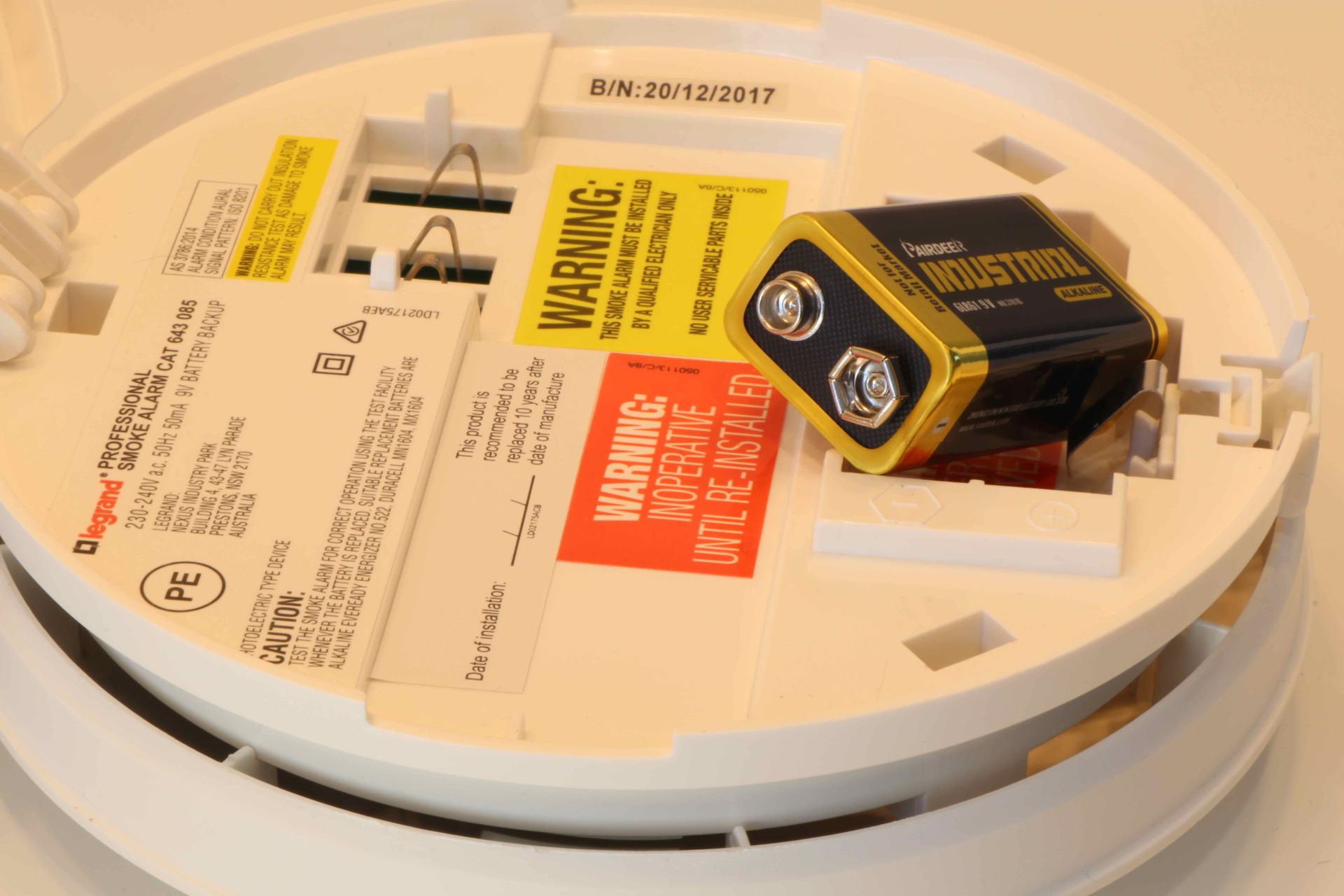
The 9-volt battery is, without a doubt, the undisputed heavyweight champion of the smoke detector world. It's the default, the classic, the OG. It has those two little terminals on top – a male and a female – that just snap into place with a satisfying, almost clicky precision. It’s a design so iconic, so ubiquitous, that if you close your eyes and picture a smoke detector battery, this is almost certainly what you're seeing.
Must Read
But why the 9-volt? Well, it offers a good balance of voltage and capacity in a relatively compact size. It’s like the Goldilocks of batteries for many devices, providing enough juice for those critical, intermittent chirps and the occasional full-blown ear-splitting alarm. Plus, let's be honest, trying to connect 6 tiny AAAs in series in the dark on a wobbly chair sounds like a recipe for a comedy sketch, not a safety measure. So, thank you, 9-volt, for simplifying our lives, even if you do choose the absolute worst moment to die.
The Understudies: AA and AAA
Now, just when you thought you had the smoke detector battery game figured out, some modern, more advanced detectors decided to throw a curveball. You might occasionally stumble upon a model that takes… wait for it… AA or AAA batteries! "What?!" I hear you gasp, coffee still dripping from your bewildered mouth. Yes, it's true. These aren't as common as the 9-volt for the primary power source, but they do exist, especially in some newer, more energy-efficient designs or those with fancy features like carbon monoxide detection built-in.
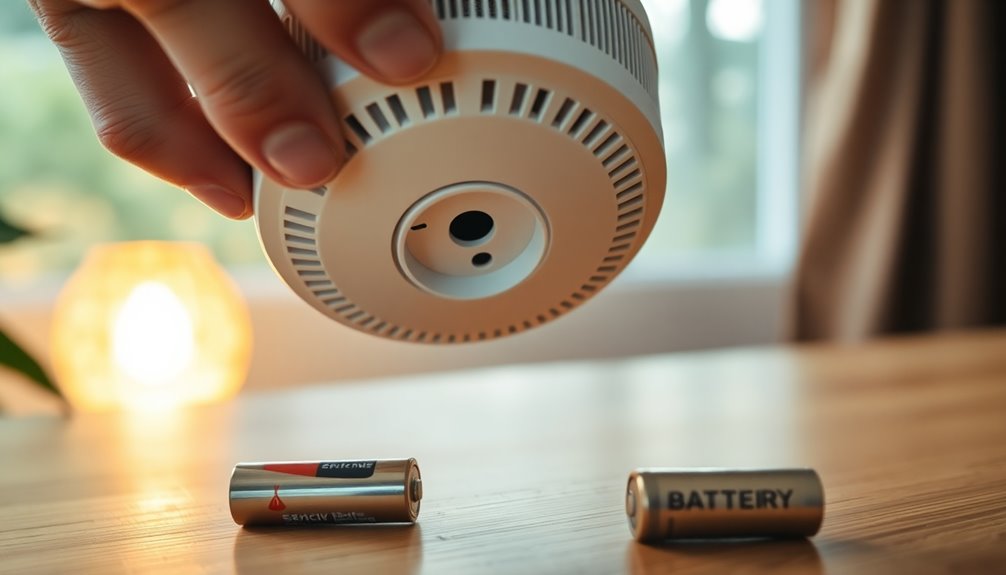
Why the shift? Well, AA and AAA batteries are incredibly common, making them easy to find. Plus, advancements in battery technology mean they can sometimes power devices for longer periods, or allow for a more compact design. So, before you embark on your hunt, remember to peel open that little battery compartment and peek inside. It’s like a tiny mystery box, but instead of a prize, you get… another mystery!
The Niche Players: Lithium and Sealed Units
And then there are the outliers, the eccentrics of the smoke detector battery family. Some high-end or specialized smoke detectors might use lithium batteries, often cylindrical ones like the CR123A or CR2. These are the marathon runners of the battery world, designed for super-long life, sometimes lasting 5-10 years. If your detector uses one of these, you probably paid a pretty penny for it, and you'll know it because the manual will practically shout about its superior longevity.
But here's a truly surprising, and sometimes frustrating, twist: an increasing number of modern smoke detectors come with a sealed, non-replaceable 10-year lithium battery. Yep, you read that right. Ten years of blissful silence (battery-wise, anyway). No chirps, no 3 AM expeditions. But when that 10 years is up, or if it decides to kick the bucket prematurely, you don't just change the battery. Oh no, my friend. You replace the entire unit. It’s like a pre-packaged, single-serving safety device. Eco-friendly? Maybe not for the landfill, but certainly for your sanity!
The 3 AM Chirp: Why Does It Happen?!
This is the question that haunts us all. Why, oh why, does the smoke detector always wait until 3 AM to announce its impending demise? Is it programmed by a mischievous gremlin? Does it have a tiny, internal clock that specifically targets the deepest REM cycles? My theory is it’s a tiny, passive-aggressive alien, observing our sleep patterns and choosing the moment of maximum dramatic impact.
The truth, sadly, is far less exciting than alien overlords. As the battery's voltage drops, the detector tries to conserve power, so it checks its battery less frequently. When it finally does check and realizes it's low, it lets out that pathetic, intermittent beep. And because many homes cool down at night, temperature fluctuations can sometimes cause a temporary drop in battery voltage, triggering the chirp. So, it's not trying to personally attack you; it just has terrible timing and a lack of self-awareness. Still, the next time it beeps, feel free to grumble about its poor manners.
Your Quest, Should You Choose to Accept It...
So, the next time that ominous chirp begins, don't panic. Take a deep breath. Here's your action plan, delivered with the wisdom of someone who has, too often, fumbled with a flashlight and a step stool at ungodly hours:
- First, visually inspect: Pop open that battery compartment. What kind of battery is staring back at you? Is it the chunky 9-volt? A familiar AA? Or one of those sleek lithium cylinders?
- Have Spares: Seriously, buy a pack of 9-volts (and maybe some AAs) and keep them in a designated "emergency beep" drawer. You'll thank yourself later.
- Test Regularly: Don't wait for the chirp! Press that "test" button once a month. It’s loud, it’s annoying, but it's better than the alternative.
- Mark Your Calendar: If you're changing a conventional battery, use a permanent marker to jot down the date you replaced it right on the battery itself. Future You will be grateful.
- Safety First: If your detector is high up, use a sturdy step ladder or get help. We want to prevent fires, not create new hospital visits.
In the grand tapestry of homeownership, the smoke detector battery is a tiny, often overlooked thread. But it’s a thread that, when frayed, can cause a surprisingly loud and disruptive unraveling of your peace. So, be prepared, be vigilant, and for the love of all that is sacred, always have a spare 9-volt! Your ears (and your spouse's patience) will thank you.