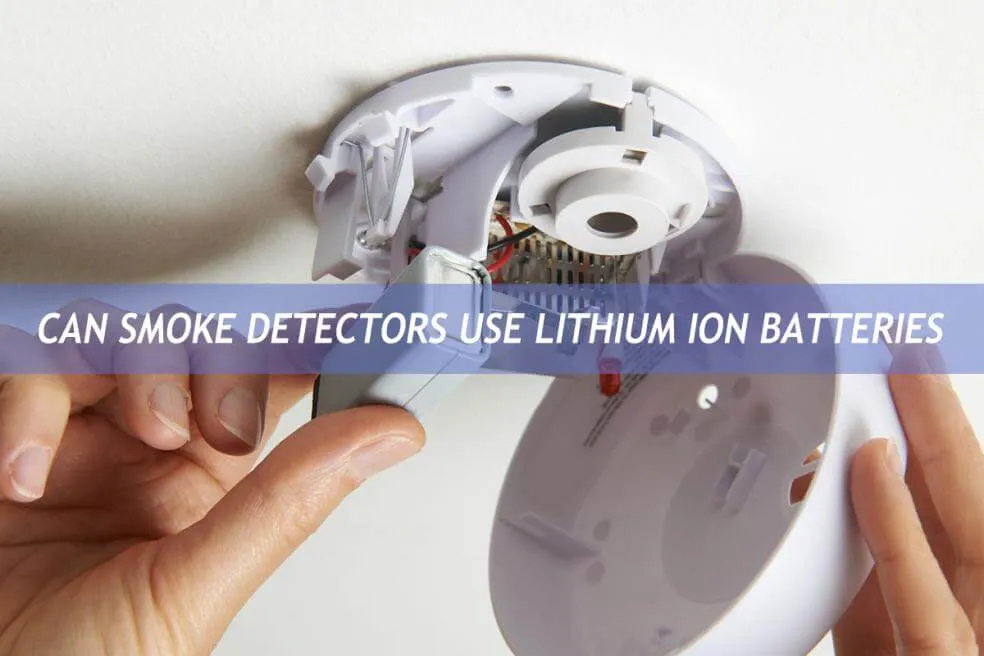
What Batteries Do Smoke Detectors Use

Let's be real, some things in our homes just exist. They do their job, quietly, diligently, and rarely cross our minds until they either break or, in the case of our trusty smoke detector, start a very persistent, high-pitched conversation. And when that conversation begins, usually at 3 AM, the first question isn't "what's for breakfast?" but "what battery does this thing even take?!"
The Classic Contender: The 9-Volt
For decades, the undisputed champion of the smoke detector world has been the mighty 9-volt battery. You know the one: that chunky, rectangular power block with two terminals that look like a tiny face. It’s like the reliable older sibling of the battery family – always there, always ready, albeit with a reputation for needing a little refresh now and then.
Many traditional smoke alarms, especially the ones that came with your house years ago, are powered by this steadfast workhorse. They're easy to find in any grocery store or hardware aisle, making them a convenient go-to when that chirp starts its symphony. Just remember, these typically need changing roughly once a year, though many of us use Daylight Saving Time as our biannual reminder. More on that in a sec!
Must Read
Enter the Modern Era: AA, AAA, and Lithium Lives
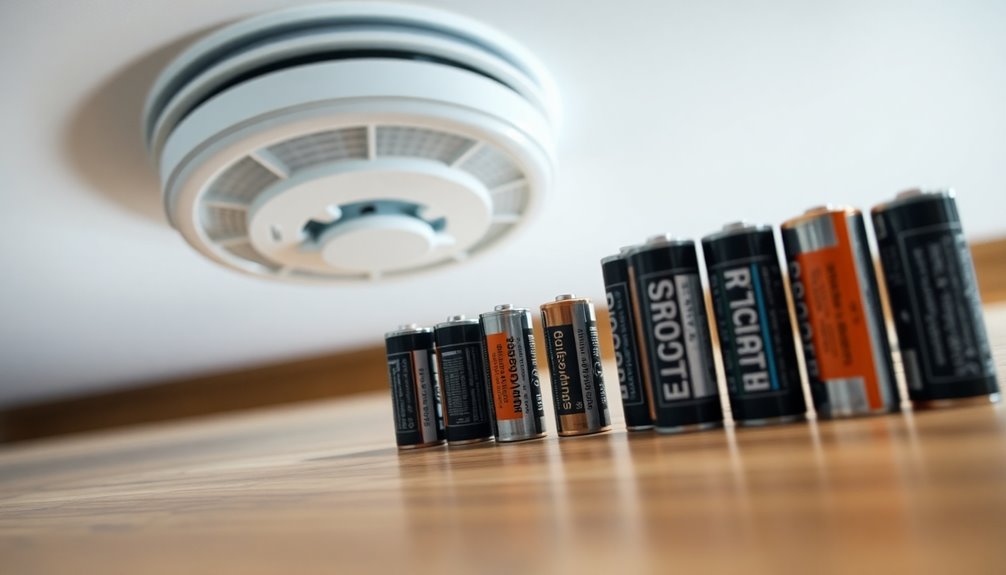
But wait, there's a plot twist! Not all heroes wear 9-volt capes. As technology evolves, so do our smoke detectors. Some newer models, especially those sleek, low-profile designs or combined smoke/carbon monoxide detectors, might opt for standard AA or AAA batteries. Yes, the very same ones you use for your remote control or kids' toys! This can be super convenient if you’ve got a stash lying around.
And then there's the game-changer: lithium batteries. You can find 9-volt lithium batteries that are direct replacements for their alkaline counterparts, but with a super-powered difference. Lithium batteries boast a significantly longer lifespan, often up to 10 years! Many modern sealed smoke detectors even come with non-replaceable, built-in lithium batteries designed to last the entire 10-year lifespan of the unit. This is fantastic for peace of mind and less midnight chirping! Just make sure to check your detector's manual to see if a lithium upgrade is compatible.
Why This Matters More Than You Think
It might seem like a trivial detail – a little battery inside a plastic disc. But the humble battery in your smoke detector is the invisible guardian of your home. It’s the lifeline that ensures your alarm can shout for help when you need it most. We're talking about genuine peace of mind, knowing that if something goes awry, you and your loved ones will have precious seconds to react.
Think of it as setting the stage for safety. A dead battery means a silent alarm, and a silent alarm means you're flying blind. It's not just about compliance; it's about protecting what matters most.

Your Battery Buddy Checklist: Practical Tips & Tricks
- Twice a Year Treat: The classic advice? Change your smoke detector batteries when you change your clocks for Daylight Saving Time – in spring and fall. It's a fantastic, easy-to-remember cue.
- Monthly Check-Up: Take just a few seconds once a month to press that "test" button on your detector. If it lets out a loud, clear chirp, you're golden! If it's weak or silent, it's time for a swap.
- Don't Ignore the Chirp! Seriously, that intermittent, irritating chirp isn't just trying to annoy you into oblivion; it's a desperate cry for a fresh battery. Resist the urge to yank it off the ceiling and throw it into the backyard (we’ve all thought about it), and instead, grab a fresh power source.
- Know Your Detector: Briefly check your smoke detector's label or manual. It'll explicitly state what type of battery it needs. No guesswork required!
- Stock Up Smartly: If all your detectors take 9-volts, keep a few spares on hand. If they're a mix, maybe a couple of each type. Future you, at 3 AM, will thank you profusely.
A Little Reflection on the Everyday Heroes
It’s funny how the smallest, most unassuming components often play the biggest roles. The battery in your smoke detector is a perfect example – a tiny powerhouse that quietly performs its duty, ensuring a major safeguard for your home. Changing it is a quick, easy task, but the impact is profound.
So, the next time you hear that little chirp, or the clocks roll forward or back, take a moment. It’s not just about a battery; it’s about a micro-moment of maintenance that contributes to the grand tapestry of home safety and peace of mind. It’s a gentle nudge that sometimes, the most important things in life are powered by the simplest, most consistent acts of care.