
What Are Three Examples Of Non Renewable Resources
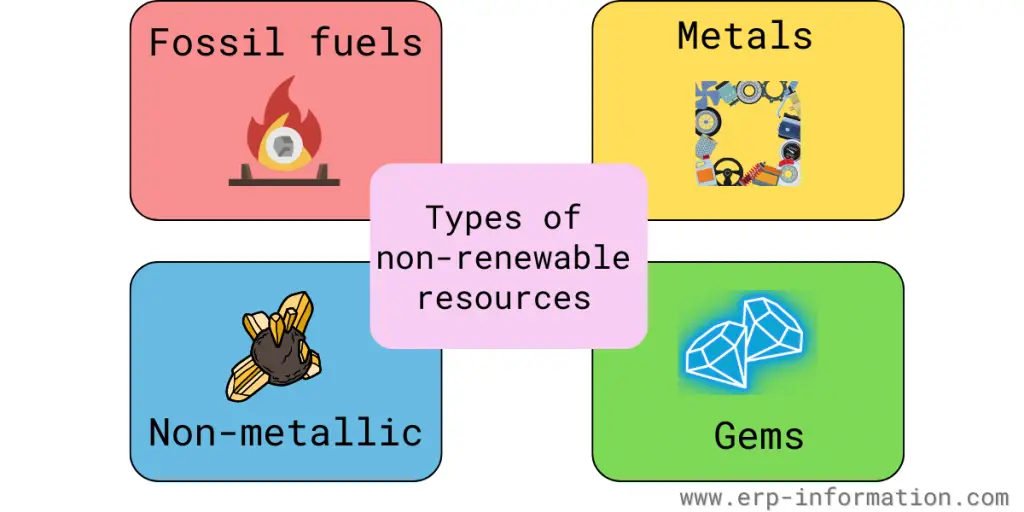
Think about flipping a light switch, driving your car, or even just enjoying a cozy, warm home on a chilly evening. We often take these things for granted, but what makes them possible? The answer, in many cases, lies in the energy we derive from the Earth's resources. While renewable resources like solar and wind power are gaining traction, a large part of our current energy infrastructure relies on non-renewable resources. These are finite resources that cannot be replenished at the same rate they are consumed, meaning that one day, they will run out.
Understanding what these resources are and how they are used is crucial for making informed decisions about our energy future. So, let's dive into three common examples of non-renewable resources and explore their purpose in our daily lives.
1. Coal: The Powerhouse of Yesterday (and Today)
Must Read
Coal is a sedimentary rock formed from accumulated plant matter that has been subjected to immense pressure and heat over millions of years. Its primary benefit is its high energy density, making it a relatively inexpensive fuel source. For centuries, coal has been the backbone of electricity generation. Power plants burn coal to heat water, creating steam that turns turbines, which in turn generate electricity. It's also used in the production of steel and cement. You might not directly interact with coal every day, but it powers your appliances, keeps the lights on, and even helps build the roads you drive on.
However, the environmental cost of coal is significant. Burning coal releases large amounts of carbon dioxide, a major greenhouse gas, contributing to climate change. It also produces air pollutants like sulfur dioxide and nitrogen oxides, which can cause respiratory problems. To enjoy the benefits of coal power more responsibly, we can advocate for cleaner coal technologies that capture and store carbon emissions, and support policies that encourage a transition to cleaner energy sources.
2. Oil: Fueling Our Transportation and More
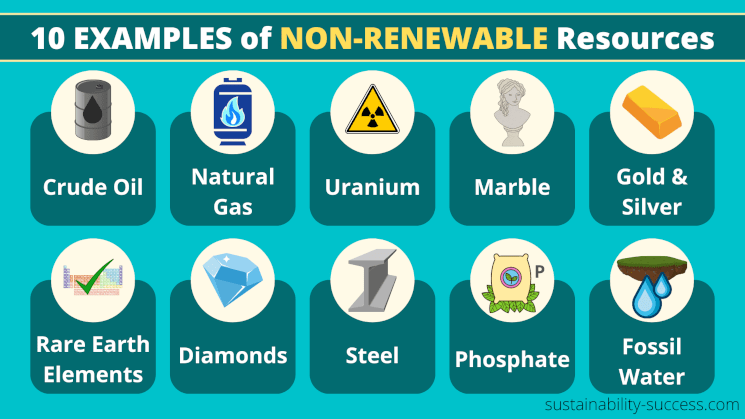
Crude oil, also known as petroleum, is a naturally occurring liquid found beneath the Earth's surface. Formed from the remains of ancient marine organisms, oil is a versatile resource with a wide range of applications. Its most well-known use is as fuel for transportation. Gasoline, diesel, and jet fuel are all derived from crude oil, powering our cars, trucks, airplanes, and ships. But oil is also a crucial ingredient in plastics, lubricants, and many other products we use daily. From the tires on your car to the plastic in your phone, oil is deeply embedded in our modern lives.
The reliance on oil, however, presents several challenges. Like coal, burning oil releases carbon dioxide and other pollutants into the atmosphere. Spills and leaks during extraction and transportation can cause severe environmental damage. To reduce our dependence on oil, we can prioritize fuel-efficient vehicles, explore alternative transportation options like public transit and cycling, and support the development of renewable biofuels and electric vehicles.
3. Natural Gas: A Cleaner Fossil Fuel?

Natural gas is a gaseous fossil fuel primarily composed of methane. It's often found alongside oil deposits underground. Natural gas is used for heating homes, cooking food, and generating electricity. It's considered a cleaner-burning fossil fuel than coal or oil, as it produces less carbon dioxide when burned. Many homes use natural gas for heating and hot water, and it powers many industrial processes.
While natural gas emits less carbon dioxide than coal, it is still a fossil fuel and contributes to greenhouse gas emissions. Methane, the main component of natural gas, is a potent greenhouse gas itself, and leaks during extraction and transportation can offset the benefits of its cleaner burning properties. To enjoy the benefits of natural gas more sustainably, we can ensure proper maintenance of gas appliances to prevent leaks, support stricter regulations on methane emissions, and explore renewable alternatives like biogas and geothermal energy.
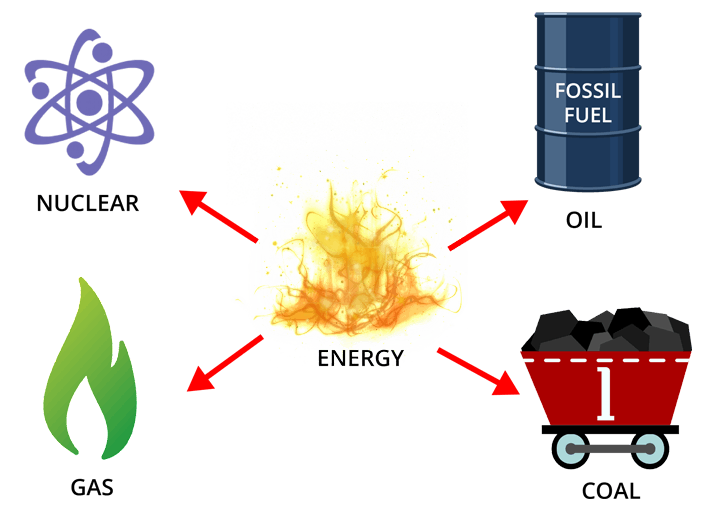
In conclusion, coal, oil, and natural gas play significant roles in our modern society, providing energy for transportation, electricity generation, and various other applications. However, their finite nature and environmental impact necessitate a shift towards more sustainable energy sources. By understanding the benefits and drawbacks of these non-renewable resources, we can make informed choices and contribute to a cleaner and more sustainable future for all. Embracing energy efficiency and supporting renewable energy technologies are key steps in this transition. The future of our planet depends on it.
