
What Are The Types Of Plastic
Hey there, ever grabbed a plastic container, squinted at the tiny symbol on the bottom, and thought, "What on earth does that mean?" You're not alone! For most of us, plastic is, well, just plastic. But guess what? It’s actually a whole rainbow of different materials, each with its own quirks and superpowers. Think of it like a family of superheroes, each with a unique ability!
Understanding these different types isn't just for recycling gurus; it's a neat trick for making smarter choices in your everyday life. Plus, it makes you sound super knowledgeable at dinner parties! 😉 So, let's dive into the wonderful world of plastics, one sip or snack at a time.
The Big Seven: Decoding Your Plastics!
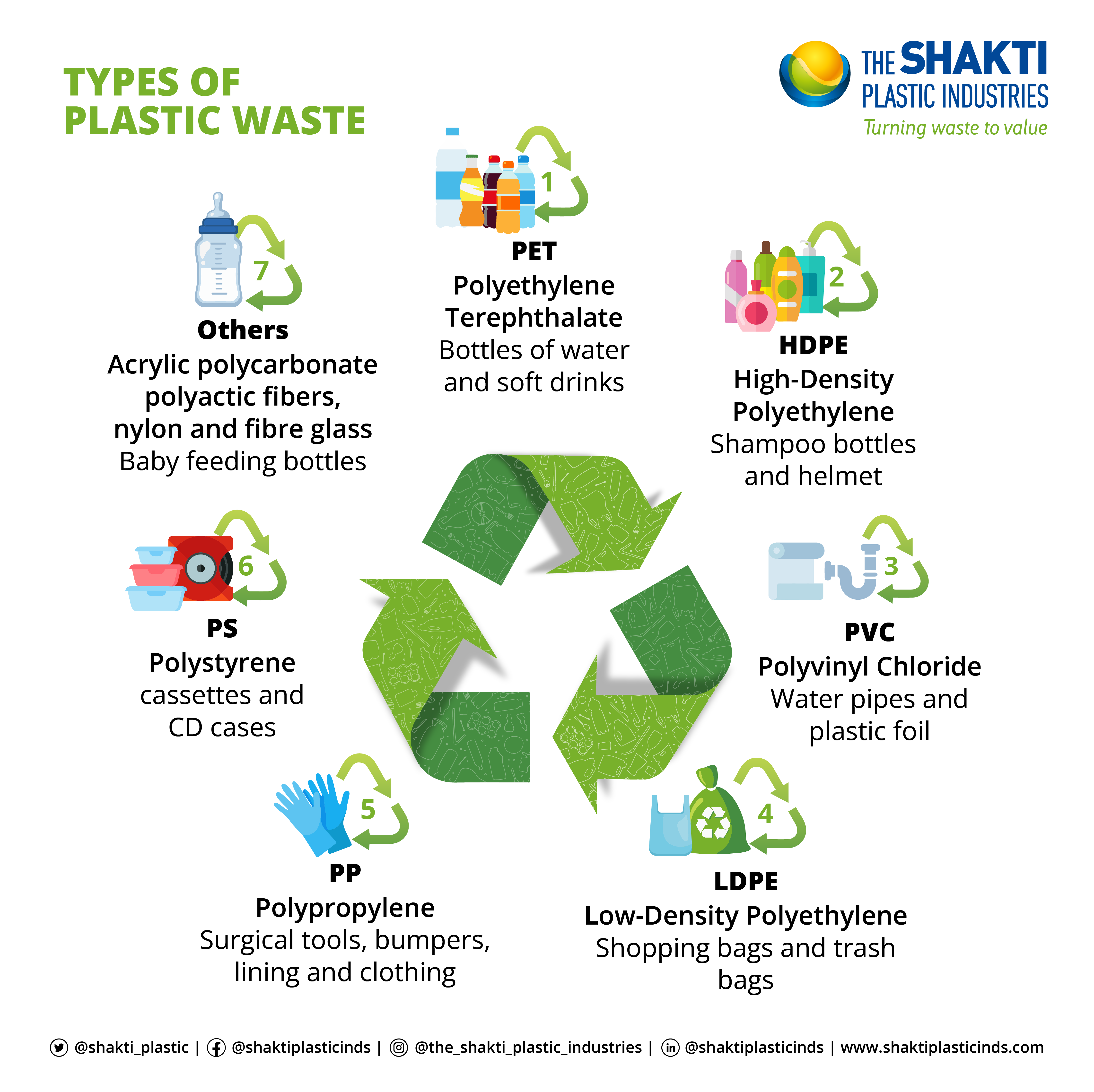
You’ll usually spot a little triangle with a number inside, ranging from 1 to 7. This is the Resin Identification Code, and it’s our secret handshake with the plastic world.
Must Read
1. PET (Polyethylene Terephthalate): The Hydration Hero
This is probably the most common plastic you'll bump into. Think of PET as the single-serve superstar. It's clear, lightweight, and super durable, making it perfect for holding liquids. You'll find it in pretty much all your soda bottles, water bottles, and even peanut butter jars.
Why care? PET is one of the most widely recycled plastics! Giving your emptied water bottle a quick rinse and tossing it into the recycling bin is a tiny act of kindness that makes a big difference. It can often be recycled into new bottles, carpet fibers, or even fleece jackets!
2. HDPE (High-Density Polyethylene): The Sturdy Sidekick
Meet HDPE, the tough cookie of the plastic family. It's usually opaque (you can't see through it) and a bit stiffer than PET. This plastic is strong, resistant to chemicals, and pretty versatile. Picture your milk jugs, detergent bottles, shampoo bottles, and even some plastic bags from the grocery store.

Why care? HDPE is another recycling champion! Most curbside programs love to take it. It gets a second life as things like plastic lumber, picnic tables, and yes, even more bottles. So, when your milk carton is empty, give it a swirl and send it off to its next adventure!
3. PVC (Polyvinyl Chloride): The Versatile, But Tricky One
PVC is a bit of a chameleon. It can be rigid or flexible. You'll find it in things like plumbing pipes, window frames, and even some shower curtains. But for everyday consumer goods, it's less common now due to some environmental concerns during its lifecycle.
Why care? PVC is less commonly recycled than PET or HDPE due to its complex composition. It’s a good one to be aware of, especially if you're looking for plastic alternatives in your home. Knowing this helps you make informed choices, maybe opting for more easily recyclable materials where possible.

4. LDPE (Low-Density Polyethylene): The Flexible Friend
If HDPE is the tough cookie, LDPE is the stretchy hugger. It's soft, flexible, and often clear. This is the plastic that gives us lovely things like plastic grocery bags (the crinkly kind), bread bags, and most squeeze bottles (like mustard or honey). It’s also often found in the cling film you wrap your leftovers in.
Why care? While some grocery stores have special drop-off bins for plastic bags (which are often LDPE), it’s generally not accepted in curbside recycling bins because it can jam sorting machines. Knowing this helps you save your local recycling center a headache and ensures your efforts aren't wasted. Reusable bags for the win!
5. PP (Polypropylene): The Multi-Tasking Maestro
PP is the heat-resistant hero and a true multi-tasker. It’s tough, can handle higher temperatures, and doesn't easily break down when bent. Look for it in yogurt containers, butter tubs, medicine bottles, bottle caps, and even some reusable food containers (like those often used for takeaway).

Why care? PP is becoming increasingly recyclable in many areas, but check with your local municipality! It's a fantastic plastic for food storage because of its heat resistance. Knowing it's PP helps you understand why your favorite yogurt container can be microwaved (if specified) and then potentially recycled.
6. PS (Polystyrene): The Light-as-Air Lounge Lizard
You probably know PS best in its foamy form: Styrofoam! It's light, airy, and a great insulator, making it perfect for disposable coffee cups, takeout containers, and packing peanuts. In its rigid form, you'll see it as disposable cutlery and some clear CD cases.
Why care? PS, especially Styrofoam, is notoriously difficult to recycle through most standard curbside programs. It breaks apart easily and is mostly air, making it expensive to transport. Opting for reusable mugs or containers is a great way to skip this plastic. When you know it's PS, you're empowered to choose alternatives!
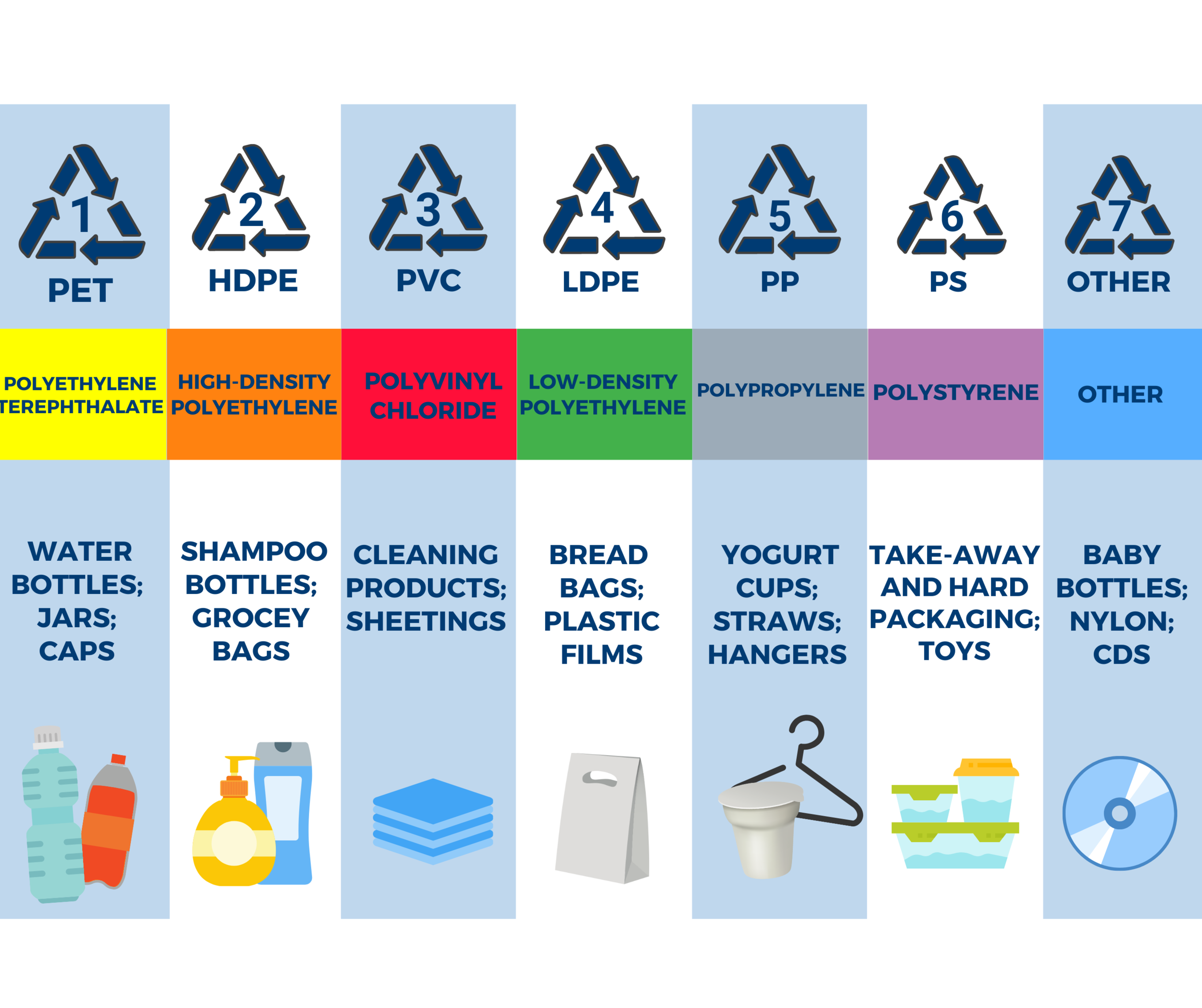
7. Other (Miscellaneous Plastics): The Wild Card
This category, often marked with a "7", is like the plastic family's attic – it's where all the unique, multi-layered, or mixed plastics go. This includes everything from some kinds of plastic bags (that aren't LDPE), mixed material containers, and even some bioplastics.
Why care? Generally, plastics in this category are not easily recyclable through traditional systems due to their varied composition. Sometimes, items like compostable bioplastics might end up here. If you see a "7," it's usually a cue to think twice about whether it can be recycled and perhaps look for clearer alternatives in the future.
So, Why Should We Even Care About All This?
Honestly, it’s not about memorizing every single detail, but about gaining a little "plastic wisdom."
- Become a Recycling Superhero: Knowing these numbers means you're not just wish-cycling (tossing things in the bin and wishing for the best). You're sorting like a pro, helping your local recycling facility work smarter, and ensuring fewer valuable materials end up in landfills.
- Impress Your Friends (and Yourself!): Imagine casually dropping some knowledge about HDPE while sharing a milk jug. Instant respect! More importantly, you'll feel more in control of your environmental impact.
- Make Smarter Choices: When you know which plastics are easily recycled and which aren't, you can start making conscious decisions. Maybe you'll choose the product in a PET bottle over one in a PS container, or reach for your reusable coffee cup instead of a Styrofoam one. Every little choice adds up!
It’s all about making tiny, mighty differences. So next time you finish that yogurt or sip that soda, give that little triangle a glance. You'll not only understand what you're holding, but you'll also be one step closer to becoming a true plastic whisperer!