
What Are The Transition Metals On A Periodic Table

Okay, let's talk about something that probably brings back traumatic memories of high school chemistry: the Periodic Table. Specifically, that weird middle bit – the Transition Metals. Honestly, who decided to put them there?
I have an unpopular opinion: they're basically the underdogs of the element world. Everyone fawns over the alkali metals, exploding majestically in water. And the halogens? So reactive and exciting! But the transition metals? They're just... there. Hanging out in the middle, like the kid who always got picked last for dodgeball.
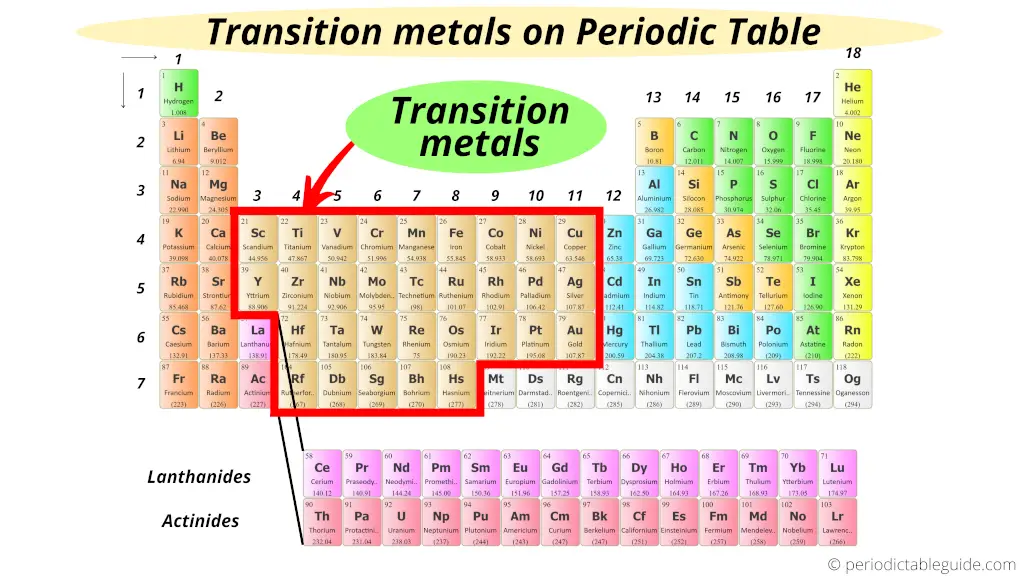
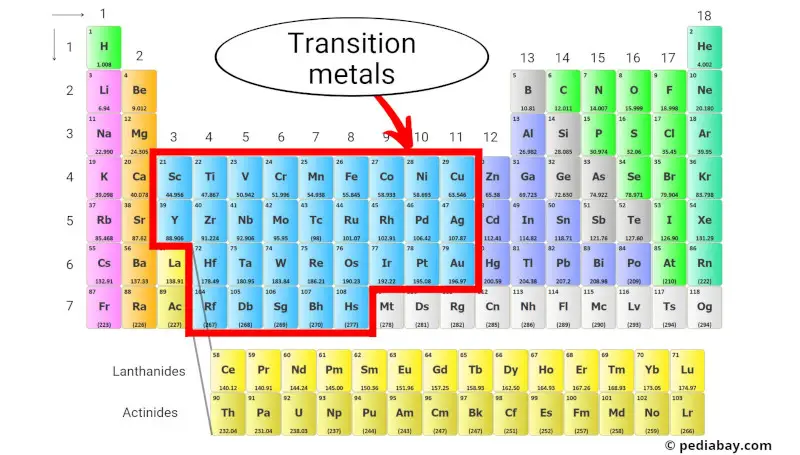
So, what are these "transition metals" anyway? Well, they're the elements found in groups 3 to 12 of the periodic table. Think of that big block sitting pretty in the center. Elements like iron (Fe), copper (Cu), gold (Au), and silver (Ag). Sound familiar? Suddenly, they're not so boring, are they?
Must Read
But even with their somewhat-glamorous examples, let's be real. Do you know anyone who's excited about vanadium (V)? Or chromium (Cr)? I rest my case.
What makes them so...transitiony? It has to do with their electron configurations. Something about partially filled d-orbitals. Yeah, my eyes are glazing over too. Let's just say they're complicated. They like to play by their own rules. They’re kind of like that one coworker who always shows up late and blames traffic, but somehow still manages to get their work done (eventually).
One cool thing about these metals is that they often form colorful compounds. Think of the vibrant blues of copper sulfate crystals, or the striking greens of nickel compounds. So, at least they're aesthetically pleasing. Maybe they're just trying to compensate for their lack of personality.
And, let's be honest, they're surprisingly useful. Iron, for example, is crucial for building bridges, cars, and pretty much everything else that makes modern life possible. Copper is essential for electrical wiring. And gold? Well, we all know what gold is for. Bling!
Despite their usefulness, they still suffer from an image problem. They lack that certain je ne sais quoi that other elements possess. They're like the reliable friend who's always there for you, but never the life of the party.
Maybe that's why I like them. They're dependable. Unassuming. And secretly powerful.
Consider titanium (Ti). Sounds cool, right? Used in aircraft and even hip replacements! Yet, does anyone ever stop to appreciate titanium? No! They're too busy admiring lithium's battery-powering prowess, or oxygen's life-sustaining abilities. The injustice!
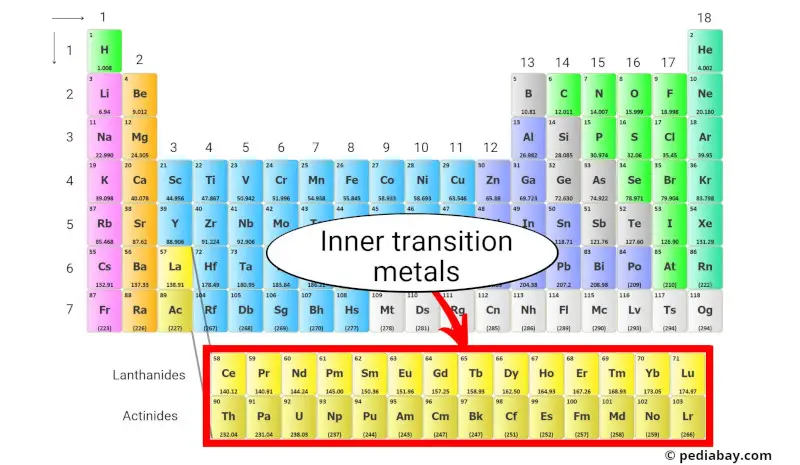
So, next time you glance at the periodic table, give a little nod to the transition metals. They may not be the flashiest elements, but they're quietly holding things together. Literally and figuratively. They're the unsung heroes of the chemical world. And that’s something to appreciate, even if you still can’t remember where they are on the table.
Maybe, just maybe, with a little more love and attention, the transition metals can finally shed their underdog status. Or, you know, they can just keep being their reliable, slightly boring selves. Either way, they'll still be there, transitioning away in the center.
