What Are The Safety Precautions For A Hurricane
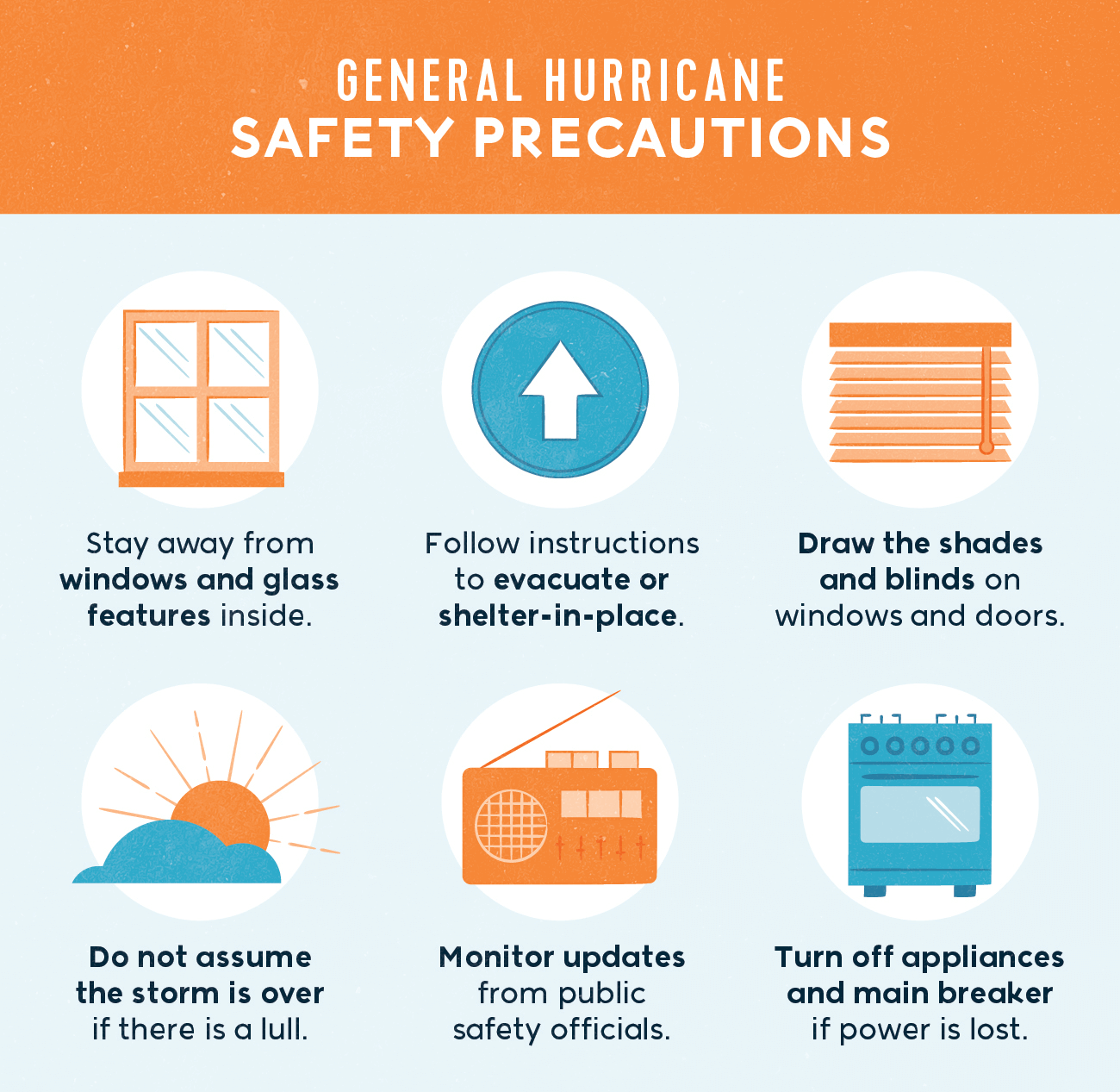
There's something undeniably captivating about watching a storm roll in. The power of nature, the dramatic skies, the rumble of thunder – it's a primal connection to the world around us. We might even find a strange sort of thrill in hunkering down, cozy inside, as the wind and rain rage outside. But while storm-watching from the safety of your living room can be exhilarating, the real deal, especially when it comes to hurricanes, requires a healthy dose of respect and, most importantly, preparation. Because when a hurricane’s bearing down, being prepared isn't about adding extra drama; it's about survival.
Hurricanes are more than just impressive weather events; they're incredibly destructive forces of nature. Understanding the safety precautions is vital because it’s directly related to protecting yourself, your loved ones, and your property. Ignoring warnings and failing to prepare can have devastating consequences, putting lives at risk and leaving you vulnerable to significant damage. In essence, hurricane preparedness is about taking control of a situation that, by its very nature, feels out of control. It's about empowering yourself to weather the storm safely and minimize the potential for loss.
You see examples of hurricane preparedness everywhere, often in the aftermath of one hitting. Things like boarded-up windows, sandbags piled against doorways, and families evacuating to shelters are all visible reminders of the precautions necessary. But preparedness goes beyond these visible actions. It involves creating a detailed emergency plan, securing your home against high winds and flooding, stocking up on essential supplies, and staying informed about the storm's progress through official channels like the National Hurricane Center. In coastal communities, knowing your evacuation route and having a designated meeting place for your family is absolutely crucial.
Must Read
So, how can you enjoy (if that’s the right word!) hurricane preparedness more effectively? The key is to approach it with a proactive and organized mindset. Here are some practical tips:
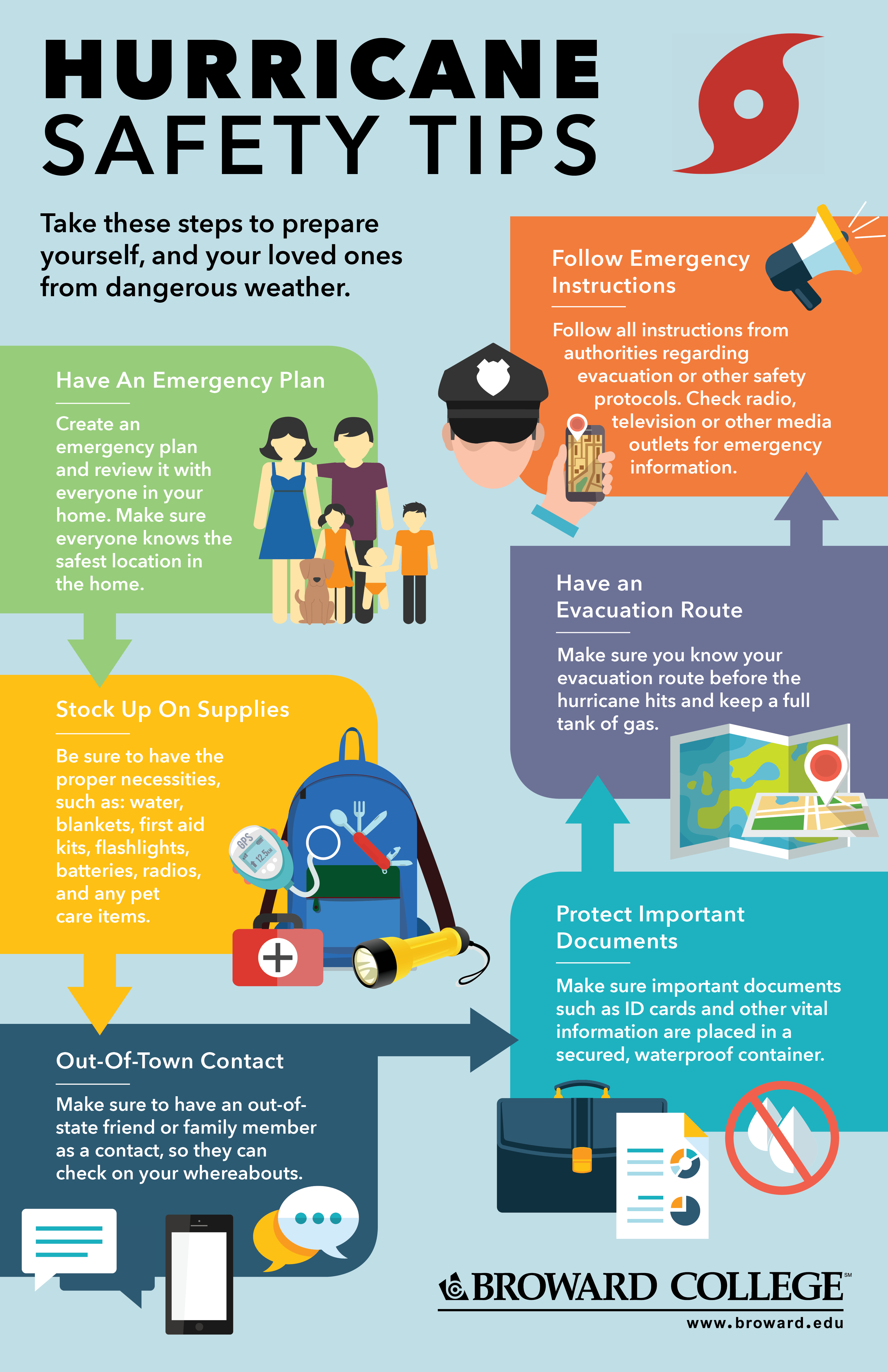
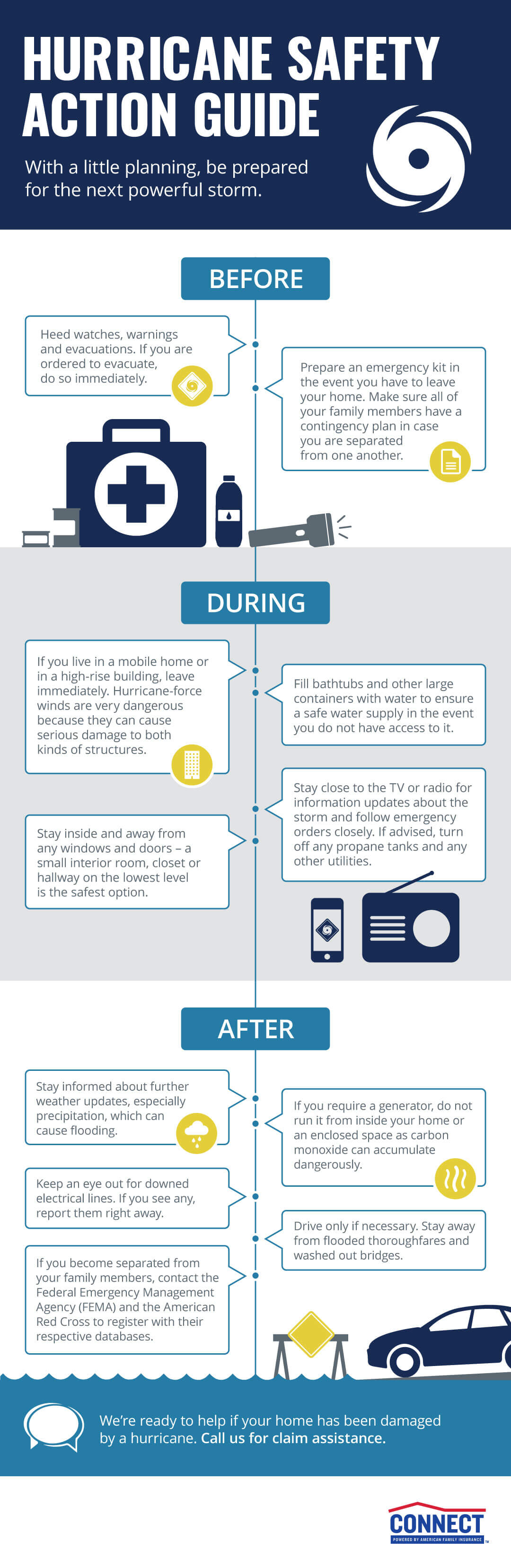
- Create a detailed family emergency plan: Discuss evacuation routes, meeting points, and communication strategies. Practice the plan regularly.
- Secure your home: Install hurricane shutters or board up windows. Reinforce garage doors and trim trees and shrubs. Bring loose outdoor items inside.
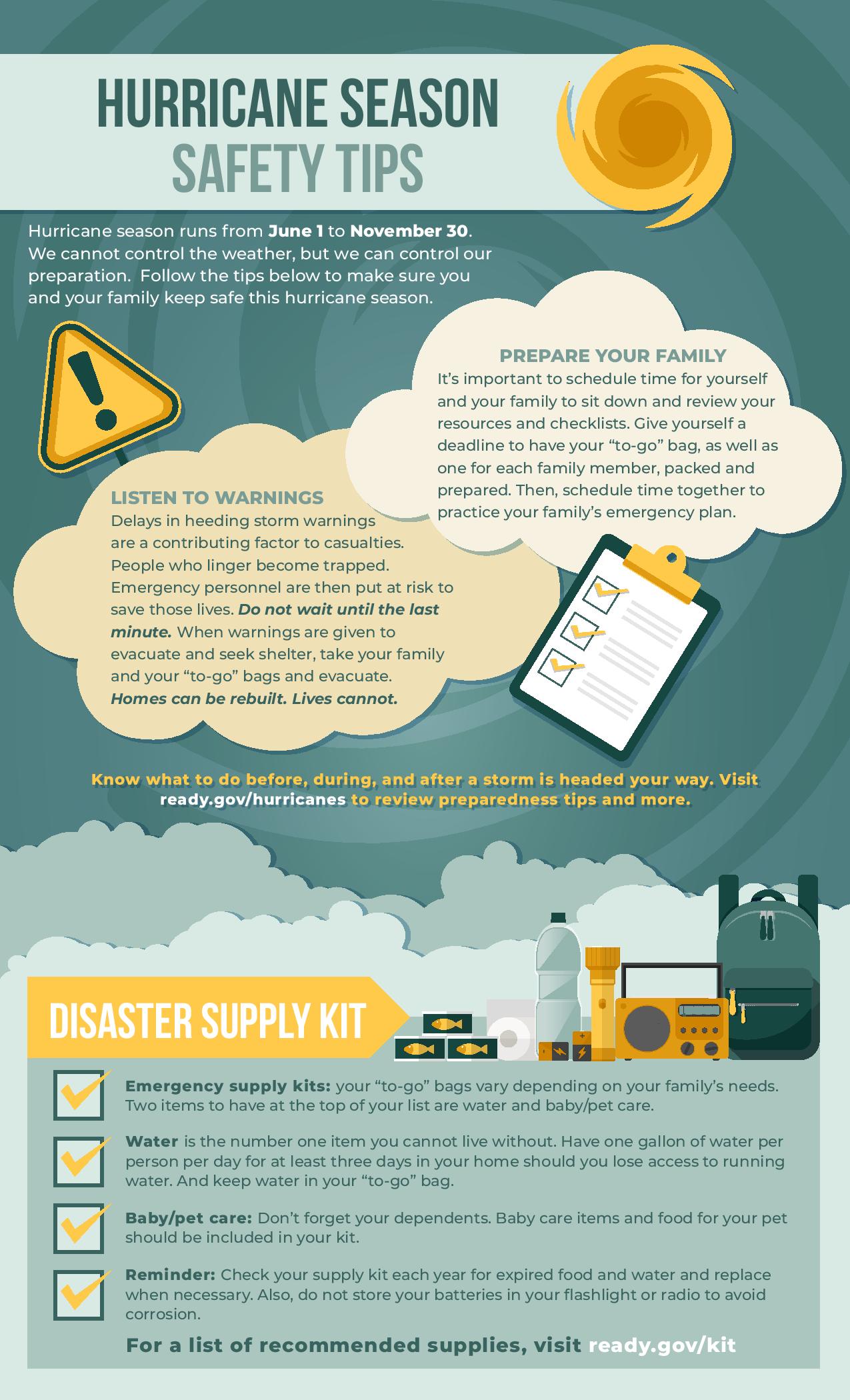
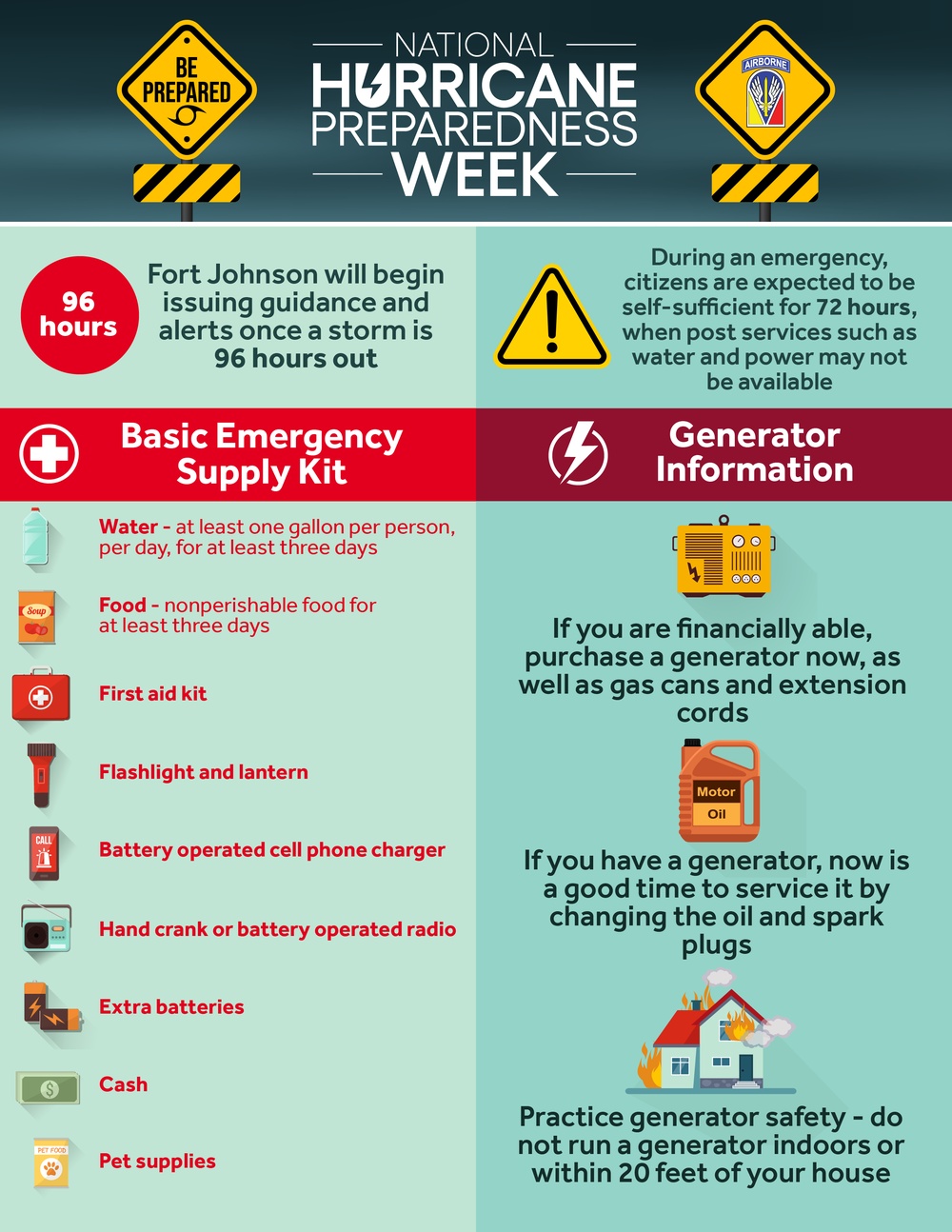
- Build a comprehensive emergency kit: Include at least a three-day supply of water (one gallon per person per day), non-perishable food, a first-aid kit, medications, a battery-powered radio, a flashlight, and extra batteries. Don't forget pet supplies if you have animals.
- Stay informed: Monitor weather forecasts and official alerts from the National Hurricane Center. Heed evacuation orders immediately.
- Review your insurance policies: Ensure you have adequate coverage for wind and flood damage.
- Document your belongings: Take photos or videos of your home and its contents to facilitate insurance claims if necessary.
- Charge your electronic devices: A portable charger can be a lifesaver.
Ultimately, hurricane preparedness is about acknowledging the potential risks and taking sensible steps to mitigate them. By being proactive and informed, you can significantly increase your chances of weathering the storm safely and minimizing the impact on your life. While the storm itself may be a force to be reckoned with, your preparedness can be your superpower.