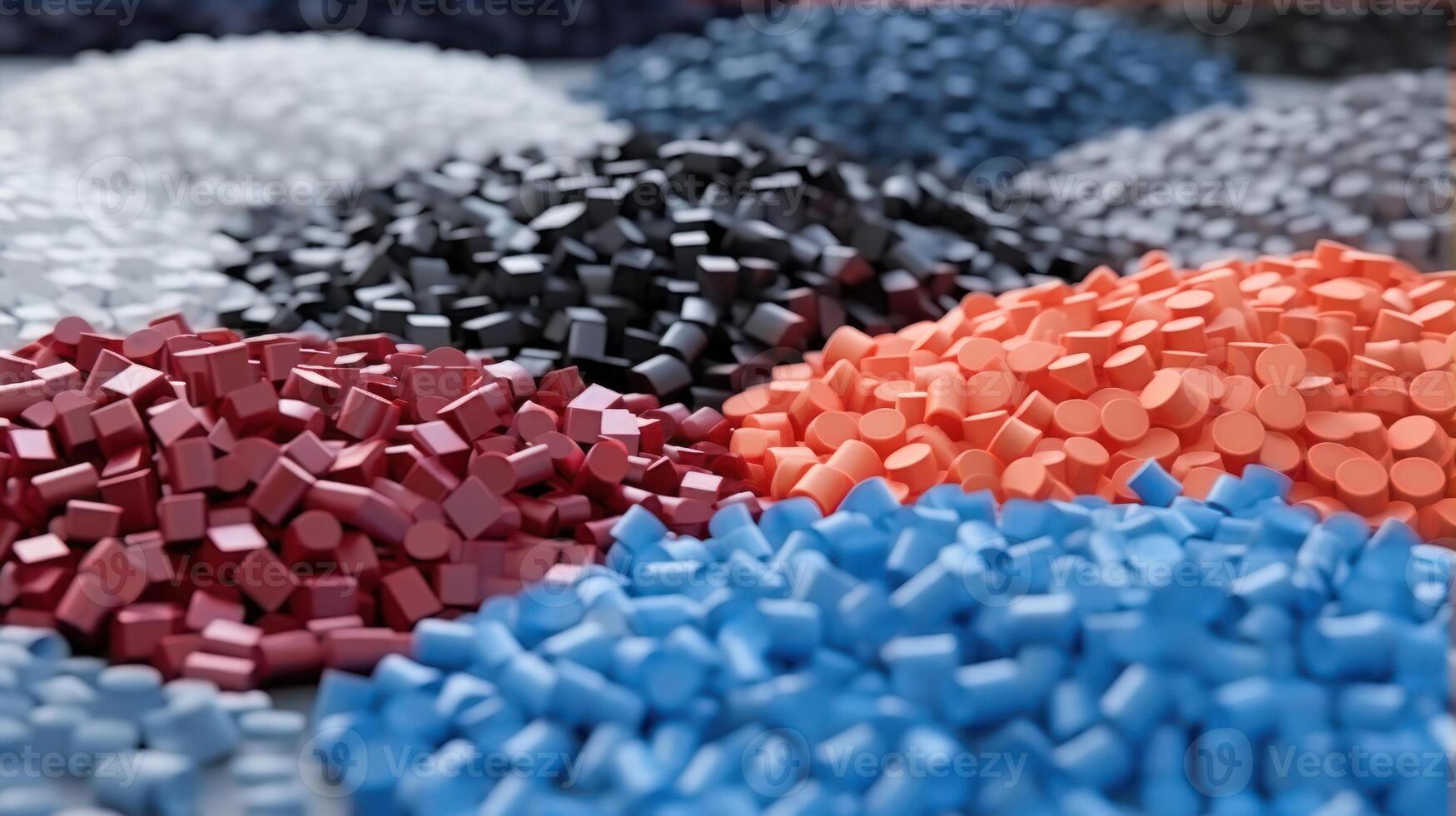
What Are The Raw Materials Used To Make Plastic

Ever wondered what magical stuff goes into that trusty plastic container holding your leftover pizza? Or how about that indestructible phone case that’s survived more drops than a clumsy toddler with a handful of spaghetti? Well, hold onto your hats, because we're diving headfirst into the wonderfully weird world of plastic raw materials!
Basically, plastics are like Frankenstein’s monsters, but, you know, the friendly, useful kind. They’re created by combining a bunch of different ingredients, mostly derived from… drumroll please… fossil fuels!
The Oily Foundation
Yep, that’s right. Crude oil and natural gas are the rock stars of the plastic world. Think of them as the eggs and flour for a plastic cake. Through a process called refining, these fossil fuels are broken down into smaller, simpler molecules. These smaller molecules are then used as the building blocks for different types of plastics. It's a bit like taking apart a Lego castle and then using those same bricks to build a spaceship. Resourceful, right?
Must Read
It might sound a little alarming (oil becomes a toy!), but hey, we’re using the whole buffalo here, folks. Plus, there's a lot of research happening to find alternatives, like using plant-based materials. More on that later!
The Mighty Monomers
Now, these smaller molecules we mentioned? They’re called monomers. Think of them as tiny, individual links in a very, very long chain. The most common monomers include ethylene, propylene, styrene, and vinyl chloride. Don't worry, there won't be a quiz. Just know that these little guys are the foundation for the plastic party. Each one lends different properties to the final product.

Imagine them as different spices in a dish. A pinch of this (ethylene) makes it bendy! A dash of that (propylene) makes it tough! Mix and match to get the perfect plastic flavor!
The Polymer Party!
Here's where the magic really happens. These monomers are joined together in a process called polymerization to create…you guessed it… polymers! Now, polymers are long, repeating chains of those monomer building blocks. Think of it as stringing together a million paperclips. That's a polymer! And the longer the chain, the stronger and more durable the plastic usually is.
It’s like knitting a scarf. Each stitch (monomer) adds to the overall length and strength of the fabric (polymer). You start with single loops of yarn and end up with something warm and wearable. Polymers are the same idea, only instead of a scarf, you get a grocery bag or a car dashboard.

The Additives: The Secret Sauce
But wait, there's more! Just like a chef adding secret ingredients to their signature dish, plastic manufacturers often add other substances to the polymers. These additives can do all sorts of things: add color, make the plastic more flexible, protect it from sunlight, or even make it flame-retardant.
Think of it as adding sprinkles to your ice cream. Sure, you can have plain vanilla, but wouldn't you rather have a rainbow explosion of deliciousness? Additives are the sprinkles of the plastic world!

Bioplastics: The New Kid on the Block
Now, here's where things get interesting. While most plastics are still made from fossil fuels, there's a growing movement towards bioplastics. These plastics are made from renewable resources like corn starch, sugarcane, and even vegetable oil. It's like swapping out that greasy burger for a veggie burger – still a burger, but a little bit better for the planet (hopefully).
Bioplastics aren’t perfect yet. They might not be as durable as traditional plastics, and some can only be composted in industrial facilities. But hey, everyone starts somewhere, right? It’s a step in the right direction and a fantastic option for some applications, plus the technology is getting better all the time. Imagine a future filled with biodegradable phone cases and compostable coffee cups! That's the dream, folks!
So, there you have it! A glimpse into the sometimes strange, often fascinating world of plastic raw materials. The next time you pick up a plastic bottle or marvel at your kid's Lego collection, remember the long journey those materials took to get there – from the ground to the polymer party, and all the way into your everyday life.