
What Are The Months Of Winter
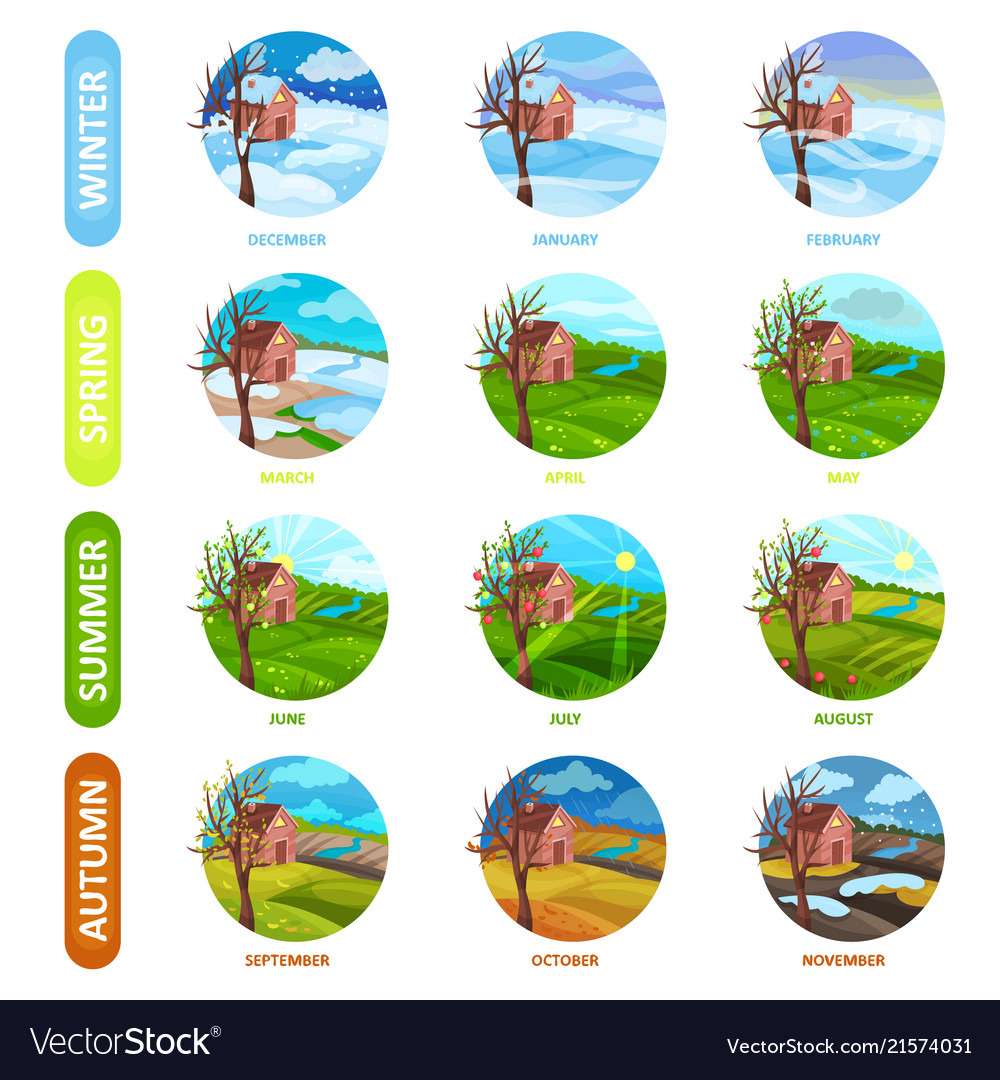
Ever wondered, as the leaves start to fall and there’s a distinct chill in the air, when exactly does winter officially begin its grand entrance? Or maybe, when it finally packs its bags and makes way for spring? It's a question that seems simple, but depending on where you are on our amazing planet, the answer can be as different as a snow angel from a sandcastle!
Let's dive into the frosty fun and unravel the mystery of winter's timing. Think of it like exploring different timelines for the same epic movie – the winter saga!
The Northern Hemisphere's Winter Wonderland
For a huge chunk of the world, especially places like North America, Europe, and much of Asia, winter is a familiar friend (or sometimes, a frosty foe!) that brings shorter days, colder temperatures, and often, beautiful blankets of snow. So, what are the superstar months that make up this chilly season here?
Must Read
Generally speaking, when we talk about winter in the Northern Hemisphere, we're looking at a trio of months:
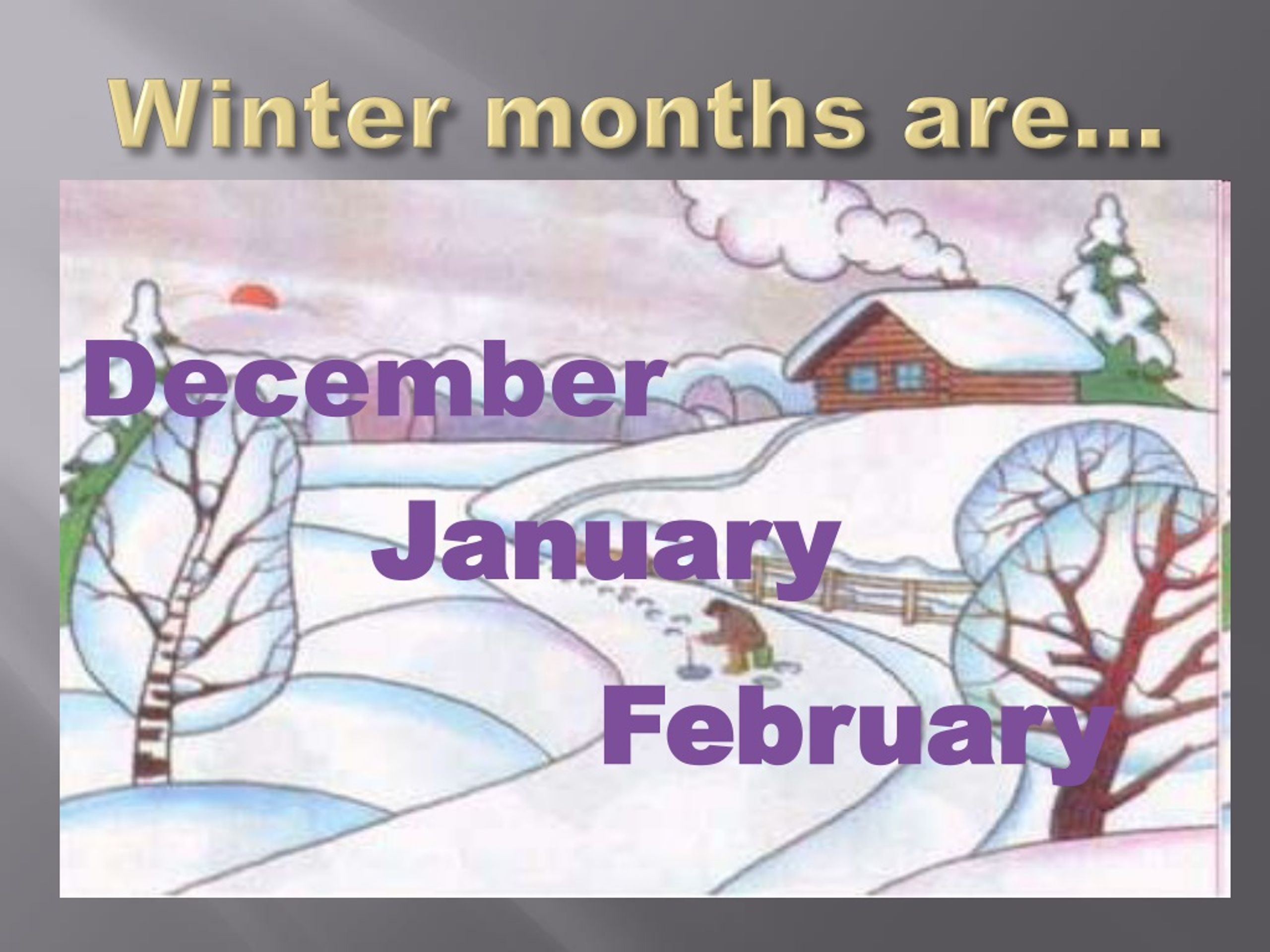
December, January, and February.
Let's break down each one, shall we? Because each month has its own unique vibe, like distinct chapters in a captivating book.

December: The Festive Frost
Ah, December! This is usually when winter makes its grand, dramatic entrance. The days are the shortest of the year, culminating in the winter solstice around December 21st or 22nd. Think of it as the sun taking its longest nap! The air gets crisp, and the world often sparkles with festive lights and holiday cheer. It’s the month where we start bundling up, sipping hot cocoa, and maybe dreaming of a white Christmas.
It’s not just about the holidays though. December is often the month where nature begins its deep sleep. Trees shed their last leaves, and many animals start their hibernation. It’s a time of quiet beauty, a fresh canvas awaiting the deeper winter.
January: The Heart of Winter
If December is the entrance, then January is often considered the absolute core of winter. This is typically the coldest month for many in the Northern Hemisphere. Remember those New Year's resolutions? January embodies that sense of a clean slate, a fresh start – often accompanied by truly biting winds and the most significant snowfall.
Imagine the world hushed under a thick blanket of snow, the air so clear it almost hurts, and the sun, though still low, beginning its slow climb back towards longer days. It’s a month for cozy nights by the fire, reflecting, and perhaps, building the biggest snowman of the season!
February: The Final Stretch (with a Twist!)
And then there’s February. The shortest month of the year, but don't let its size fool you! February is often a mix of lingering cold and the very first, subtle whispers of spring. You might still get fierce blizzards, but on warmer days, you can almost feel the promise of new life returning. It’s like winter is starting to get a bit restless, knowing its time is almost up.
It's a month of anticipation. The days are noticeably longer, and sometimes, if you look closely, you might spot the first brave crocuses poking through the frost. It’s winter’s last hurrah, a final flourish before the world bursts into color again.
But Wait, There's a Flip Side! The Southern Hemisphere's Winter
Now, here’s where things get really interesting and show just how amazing our planet is! While we're all bundling up in December, people in the Southern Hemisphere (think Australia, South Africa, parts of South America) are basking in summer sunshine! Mind-blowing, right?
Because the Earth is tilted on its axis, when the Northern Hemisphere is tilted away from the sun, the Southern Hemisphere is tilted towards it, and vice versa. So, for our friends down under, their winter months are:

June, July, and August.
Imagine celebrating Christmas on a scorching hot beach, then heading into winter in June! It’s the exact opposite of what many of us are used to. Their June is like our December, their July like our January, and their August mirrors our February. Same seasonal patterns, just shifted by six months. How cool is that?
The "Official" vs. "Meteorological" Winter
To add another layer of fascinating complexity, there are actually two main ways people define the start and end of seasons:
-
Astronomical Winter: This is based on the Earth's position relative to the sun. It begins with the winter solstice (around December 21st in the North, June 21st in the South) and ends with the spring equinox (around March 20th in the North, September 22nd in the South). So, technically, this means December 21st to March 20th for the Northern Hemisphere.

Winter Months Calendar Flashcards Set. Nature, Holidays and Symbols -
Meteorological Winter: This is what weather scientists and forecasters use. They divide the year into four three-month seasons based on the annual temperature cycle. This makes tracking seasonal statistics much easier and more consistent. That's why they use the full months: December, January, and February (North) or June, July, and August (South). It's simpler, cleaner, and makes perfect sense for data!
So, when you talk about the "months of winter," most people are intuitively thinking about the meteorological definition – those three full months that feel like winter, regardless of the exact solstice date.
Why is Winter So Fascinating?
Whether it’s December in New York or July in Sydney, winter isn't just about the cold. It’s a season of deep introspection, cozy gatherings, incredible natural beauty (hello, snow-covered landscapes!), and the promise of renewal. It teaches us about cycles, resilience, and the quiet power of nature.
So, the next time someone asks you about the months of winter, you can tell them it's a bit of a wonderful, hemisphere-dependent adventure! It's a reminder that our world is full of amazing differences, all governed by the elegant dance of our planet around the sun. Pretty neat, right?