
What Are The Materials Used To Make Plastic

Alright, gather 'round, gather 'round! Let's talk about plastic. Yeah, that stuff that's practically taken over the world. But have you ever stopped to think, like really think, about what it's made of? Probably not. You were probably too busy trying to open that ridiculously over-packaged toy. I get it.
Well, buckle up buttercups, because we’re about to dive headfirst into the weird and wonderful world of plastic ingredients. Prepare to be amazed, possibly slightly confused, and hopefully, mildly entertained.
The Foundation: Fossil Fuels (or, Dinosaur Burps!)
So, where does all this plastic magic begin? Mostly with good ol' fossil fuels. Think oil, natural gas, and even coal. Yes, that's right, that water bottle you're holding might be distantly related to a dinosaur's last meal. Isn’t that a horrifyingly beautiful thought?
Must Read
Don't worry, PETA, no actual dinosaurs were harmed in the making of your Tupperware. We're talking about ancient, decomposed organic matter. Technically, your picnic could be powered by prehistory. Food for thought, literally!
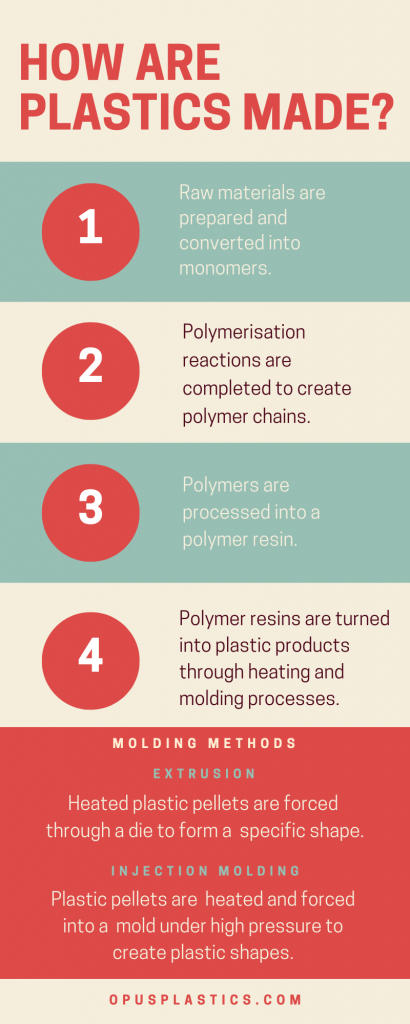
These fossil fuels go through a process called refining and cracking. No, we're not breaking up with oil. Cracking, in this case, means breaking down large hydrocarbon molecules into smaller ones, specifically monomers. Think of it like taking a giant Lego castle and turning it into individual Lego bricks.
Monomers: The Building Blocks of Plastic-y Goodness
Now, these monomers are the key ingredients. They’re the basic building blocks that, when linked together, form long chains called polymers. And polymers, my friends, are what make up plastic! It's like a polymer party, and everyone's invited! Even that awkward monomer nobody likes.
There are tons of different types of monomers, each contributing its own unique flavour to the plastic stew. Some of the most common include:

- Ethylene: This little guy is used to make polyethylene (PE), which is found in things like grocery bags and plastic film. It's the plastic that’s always stuck to everything.
- Propylene: This one forms polypropylene (PP), used in containers, fibers, and automotive parts. Basically, the unsung hero of your car’s interior.
- Vinyl Chloride: This one is the basis for polyvinyl chloride (PVC), which makes pipes and siding. Bet you'll never look at your plumbing the same way again.
- Styrene: You guessed it, polystyrene (PS)! Think styrofoam cups and packaging peanuts. The bane of anyone who values their sanity.
The Polymerization Process: Monomer Mania!
Okay, so we've got our monomers. Now what? Time for the polymerization process! This is where we link those monomers together to form our lovely, long polymer chains. Imagine a conga line, but instead of people, it's tiny chemical molecules holding hands (or, you know, whatever chemical bonds are like).
There are a few different ways to do this, but the basic idea is the same: force those monomers to bond together. It can be done with heat, pressure, or catalysts (special chemicals that speed up the reaction). Think of catalysts as the party animal that gets the conga line started.

Additives: The Secret Sauce
But wait, there's more! Polymers alone aren't quite ready to take on the world. That's where additives come in. These are the secret ingredients that give each plastic its specific properties.
Here are a few examples:
- Plasticizers: Make plastics more flexible. Imagine trying to fold a brick. Yeah, plasticizers prevent that kind of thing.
- Stabilizers: Protect plastics from heat and UV light. Because nobody wants their plastic flamingo melting in the sun.
- Colorants: For adding, well, colour! From Barbie pink to garbage bag black.
- Flame Retardants: To make plastics less flammable. Because spontaneously combusting furniture is never a good look.
These additives are like the spice rack of the plastic world. A dash of this, a pinch of that, and voila! You have a plastic tailored to your exact needs. Pretty neat, huh?
The Final Product: From Goo to Greatness
So, after all that refining, cracking, polymerizing, and adding, we finally have our plastic! It can then be molded, extruded, or otherwise shaped into just about anything you can imagine. From that water bottle you're sipping from to the dashboard of your car, plastic is everywhere. And now you know, at least a little bit, how it's made! You’re practically a plastic sommelier now!
Now, if you'll excuse me, I'm going to go ponder the existential implications of the fact that my coffee cup is probably made from the remnants of a long-dead fern. Cheers!