
What Are The Main Causes Of Wind
Ever felt the wind whip around you? Mess up your hair, rustle the leaves, or push your umbrella inside out? It's everywhere, but have you ever wondered why the wind blows? What's the deal with all that moving air? Turns out, it's a super cool cosmic dance, way more fun than you think!
The Sun: Earth’s Wonky Oven Master
Let's get straight to the biggest boss: the Sun! Our fiery star is the chief stirrer of our planet's atmosphere. But here's the kicker: it doesn't heat the Earth evenly. Oh no!
Think of Earth as a giant pizza in an inconsistent oven. Some parts bake to a crisp, others stay cool. The equator gets a direct, intense blast of sunshine, making the air there super toasty. Up at the poles, the sun's rays hit at a shallow angle, spreading energy out. So, it’s colder. This temperature difference – hot equator, chilly poles – is the ultimate engine driving global wind patterns. It's all about balancing planetary temperatures.
Must Read
Land vs. Sea: The Beach's Built-in Air Conditioner
There's more! Even locally, the sun plays favorites. Ever noticed a sea breeze on a hot beach day? Land heats up way faster than water. Touch a hot sidewalk versus dipping your toe in the ocean – big difference, right?
During the day, land warms quickly, heating the air above it. That warm air gets light and rises. Over the ocean, water (and air) stays cooler. Nature hates pressure imbalances! Cooler, denser air from over the sea swoops in to replace the rising warm air over land. Voila! A refreshing sea breeze!

At night, the opposite happens. Land cools faster than water, so air over water stays warmer longer. This creates a gentler "land breeze" heading out to sea. It's like the beach has its own perfectly timed, natural air conditioning. Pretty neat, huh?
Pressure: The Universe’s Balancing Act
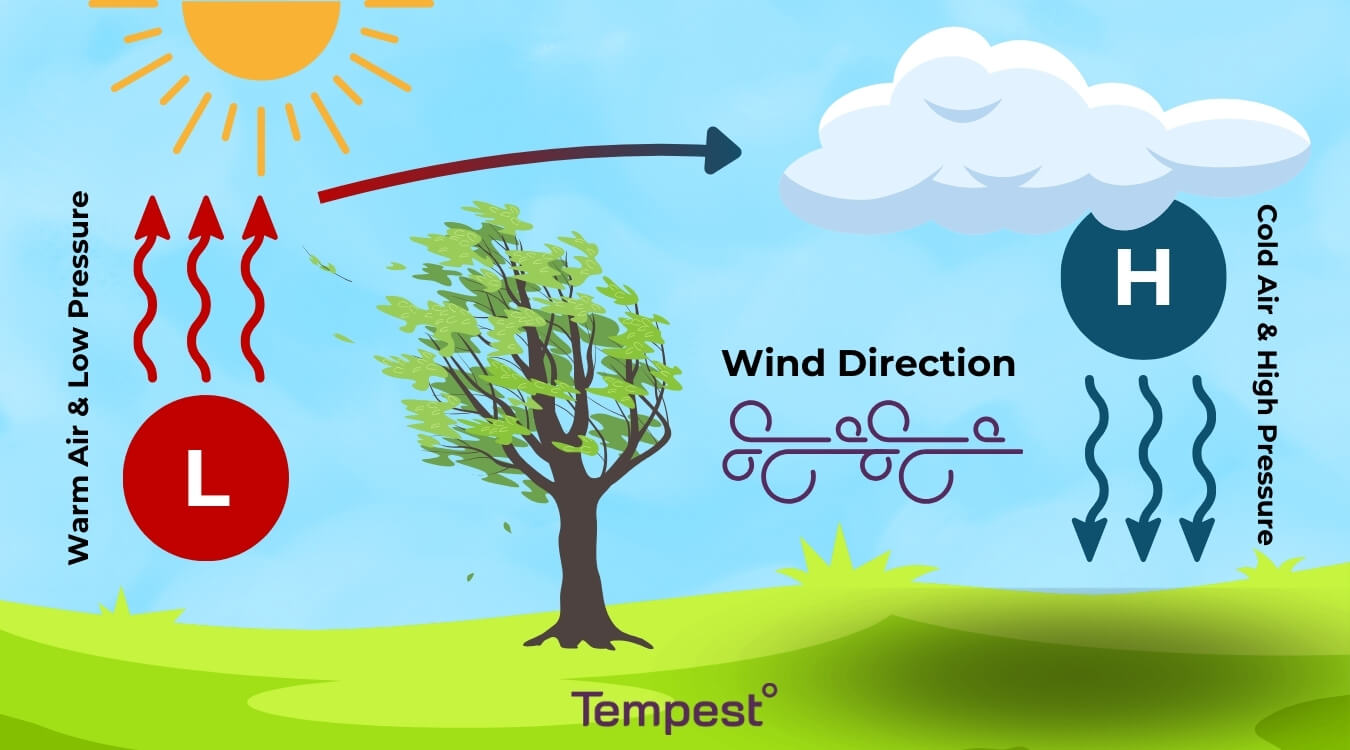
Okay, so the sun heats things unevenly. What next? Pressure! This is where magic happens. When air gets hot, molecules get excited, spread out. Air becomes less dense, so it rises. Think hot air balloon! When air rises, it leaves less air pressing down, creating low pressure.
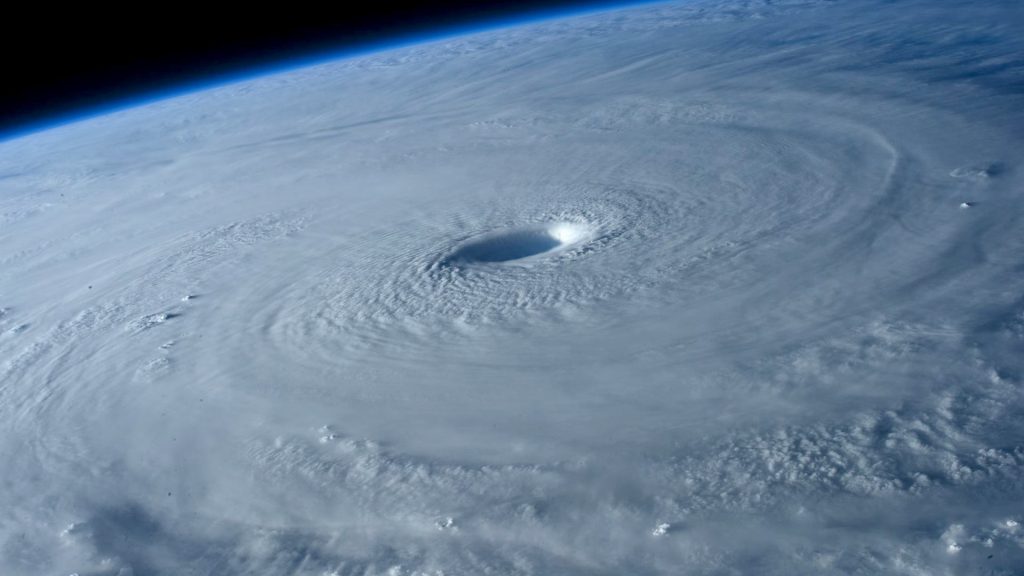
Conversely, cool air molecules huddle, making it denser. This heavier air sinks, creating high pressure. Here's the crucial bit: wind is air moving from areas of high pressure to areas of low pressure. It’s like squeezing toothpaste or letting air out of a balloon – it rushes from more pressure to less. Earth constantly tries to equalize these pressure differences. Wind is its main tool.
Hot spots the sun creates? Low-pressure zones. Cold spots? High-pressure zones. Wind is just the air saying, "Hey, crowded here, sparse there! Let me help balance the party!"
Earth’s Spin: The Cosmic Twirl
"Wait," you might think, "if wind just goes high to low pressure, why doesn't it always blow straight?" Excellent question! That's the Coriolis Effect. It's like throwing a ball straight across a fast-spinning merry-go-round. The ball curves, right?
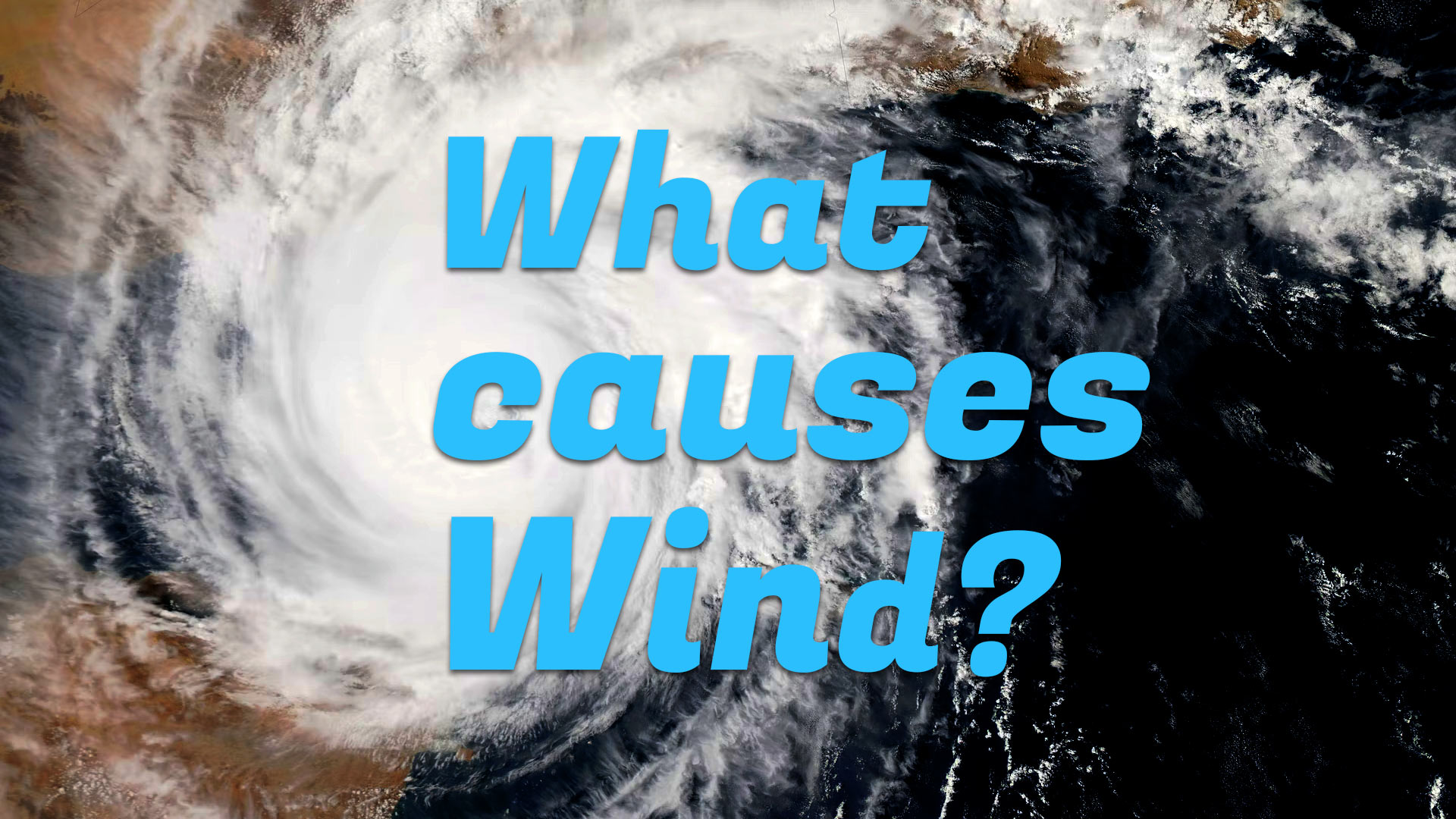
Earth does the same. As air moves, the planet underneath rotates. This deflects moving air. In the Northern Hemisphere, winds nudge to the right. In the Southern, to the left. This isn't a cause of wind, but it's why winds form big, swirling patterns like hurricanes. Earth is basically a giant fidget spinner, adding a cool twist!
Friction: The Sticky Surface
Finally, friction. Like rubbing hands together. It affects wind speed. Near Earth's surface, wind bumps into everything: trees, mountains, buildings, even you! These obstacles create friction, slowing wind down.
That's why wind feels stronger higher up, on a building or hill. Fewer things to collide with, so air picks up speed. Mighty jet streams, those super-fast rivers of air high up, zip along because they're far from Earth's sticky surface! So, a gentle breeze is just lower air having a wrestle with the landscape.
So, What's the Big Picture?
In a nutshell, wind is born from the sun's uneven heating, creating temperature differences. These lead to pressure imbalances (hot air rises, cold air sinks). Air rushes from high to low pressure to even things out. Our spinning Earth deflects this moving air (Coriolis Effect), shaping global patterns. And friction near the ground just makes things a little less smooth.
It’s a beautiful, dynamic, complex system keeping our atmosphere buzzing. Next time you feel a gust, give a little nod to the sun, Earth's rotation, and all that invisible pressure. You're not just feeling a breeze; you're feeling a colossal, planet-sized balancing act! Pretty cool, right? Go impress your friends with your wind wisdom!