
What Are The Environmental Impacts Of Hydropower
Hydropower! It sounds so clean, so green, right? Images of rushing water and gleaming turbines probably pop into your head, promising a sustainable energy future. And in many ways, it is a powerful tool in our fight against climate change. But like that catchy pop song you can't help but love (we're looking at you, "Baby Shark"), there's more to hydropower than meets the eye. Let's dive into the environmental impacts, keeping things light and, dare we say, even a little bit fun.
The Upside: Renewable and Reliable (Mostly!)
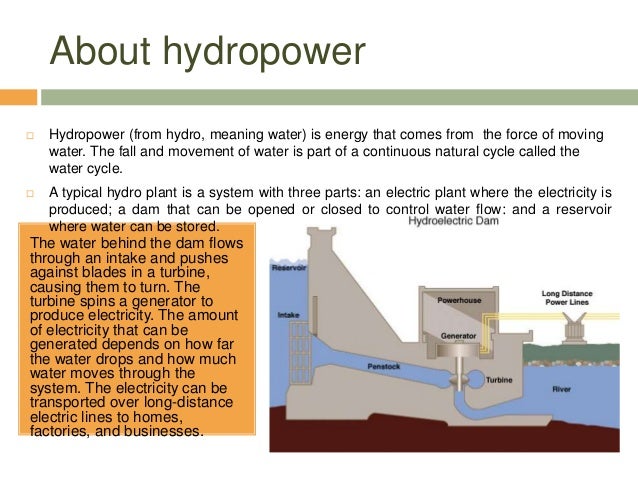
First, let's give credit where it's due. Hydropower is a renewable energy source. As long as water keeps flowing (and rainfall patterns remain relatively stable, which is a whole other conversation!), we can keep generating electricity. It's also generally reliable. Unlike solar or wind power, which depend on the sun shining or the wind blowing, hydropower can provide a steady stream of energy, acting like the dependable friend who always shows up on time.
Plus, hydropower is a low-carbon source of energy. Compared to burning fossil fuels like coal or gas, hydropower produces significantly fewer greenhouse gas emissions. Think of it as trading in your gas-guzzling SUV for a sleek, electric vehicle.
Must Read
The Downside: When Rivers Change Their Tune
Okay, now for the slightly less rosy side of the story. The biggest environmental impact of hydropower comes from the construction of dams and reservoirs. These structures can dramatically alter river ecosystems, and that's where things get tricky.
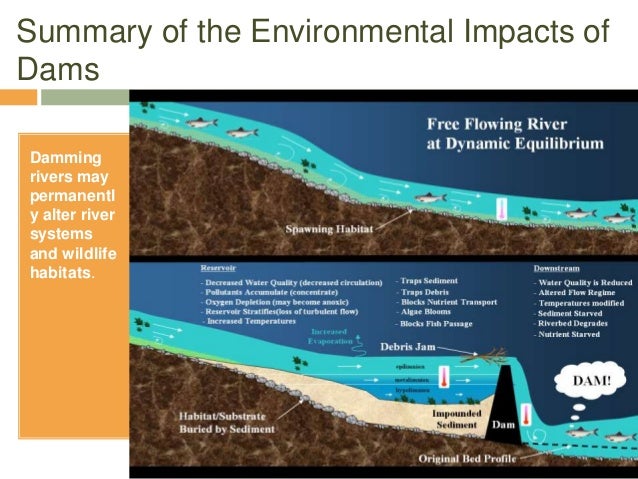
Fish Passage Problems: Remember Nemo trying to find his way home? Well, imagine him trying to navigate a massive dam. Dams can block fish migration routes, preventing them from reaching their spawning grounds. This can lead to a decline in fish populations, impacting both the ecosystem and the people who rely on fishing for food and livelihoods. Tip: Look for hydropower projects that incorporate fish ladders or other fish passage solutions. It's like building a tiny highway for our finned friends!
Altered Water Flow: Dams regulate the flow of water, which can disrupt the natural rhythm of a river. This can affect water temperature, nutrient levels, and the overall health of the river ecosystem. Imagine changing the beat of your favorite song – it just doesn't feel the same, right?
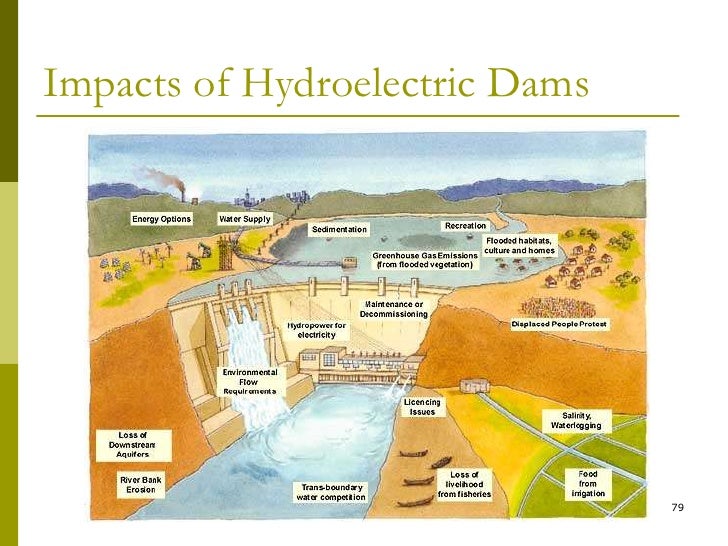
Habitat Loss: When a reservoir is created, vast areas of land are flooded, destroying terrestrial habitats and displacing wildlife. It's like building a new shopping mall on top of a national park. Think about it: Consider the impact before supporting the construction of new dams in sensitive areas.
Greenhouse Gas Emissions (Yes, Really!): Believe it or not, reservoirs can actually release greenhouse gases, particularly methane, as organic matter decomposes in the flooded area. This is more common in tropical reservoirs but still a factor to consider. It's like discovering your "healthy" smoothie is actually packed with hidden sugars.
Mitigation Strategies: Making Hydropower a Better Neighbor
The good news is that there are ways to minimize the environmental impacts of hydropower. Here are a few things to look for:
- Run-of-River Projects: These projects divert water from a river without creating a large reservoir, minimizing habitat disruption. Think of it as borrowing a cup of sugar instead of raiding the whole pantry.
- Modern Turbine Technology: Fish-friendly turbines are designed to reduce the risk of injury or death to fish passing through them. It's like giving them a safe and comfortable ride through the power plant.
- Careful Site Selection: Avoid building dams in areas with high biodiversity or important cultural significance. It's like choosing a location for your party that won't disturb the neighbors or damage the environment.
Fun Fact: Some dams are being retrofitted with turbines that can generate power from water released for environmental purposes, like maintaining downstream flows for fish. Talk about a win-win!
Small Steps, Big Impact
The environmental impacts of hydropower are complex and multifaceted. But by understanding the potential risks and supporting responsible development, we can help ensure that this valuable energy source is used in a way that minimizes harm to our planet. Remember, even small choices can make a difference. Conserving energy at home, supporting sustainable businesses, and staying informed about energy policy are all ways to contribute to a greener future.
So, next time you flip a light switch or charge your phone, take a moment to think about where that power comes from and what impacts it might have. It's a small act, but it's a step towards a more sustainable and environmentally conscious lifestyle. And who knows, maybe you'll even be inspired to learn more about renewable energy and become a champion for a greener world.
