What Are The Environmental Impacts Of Geothermal
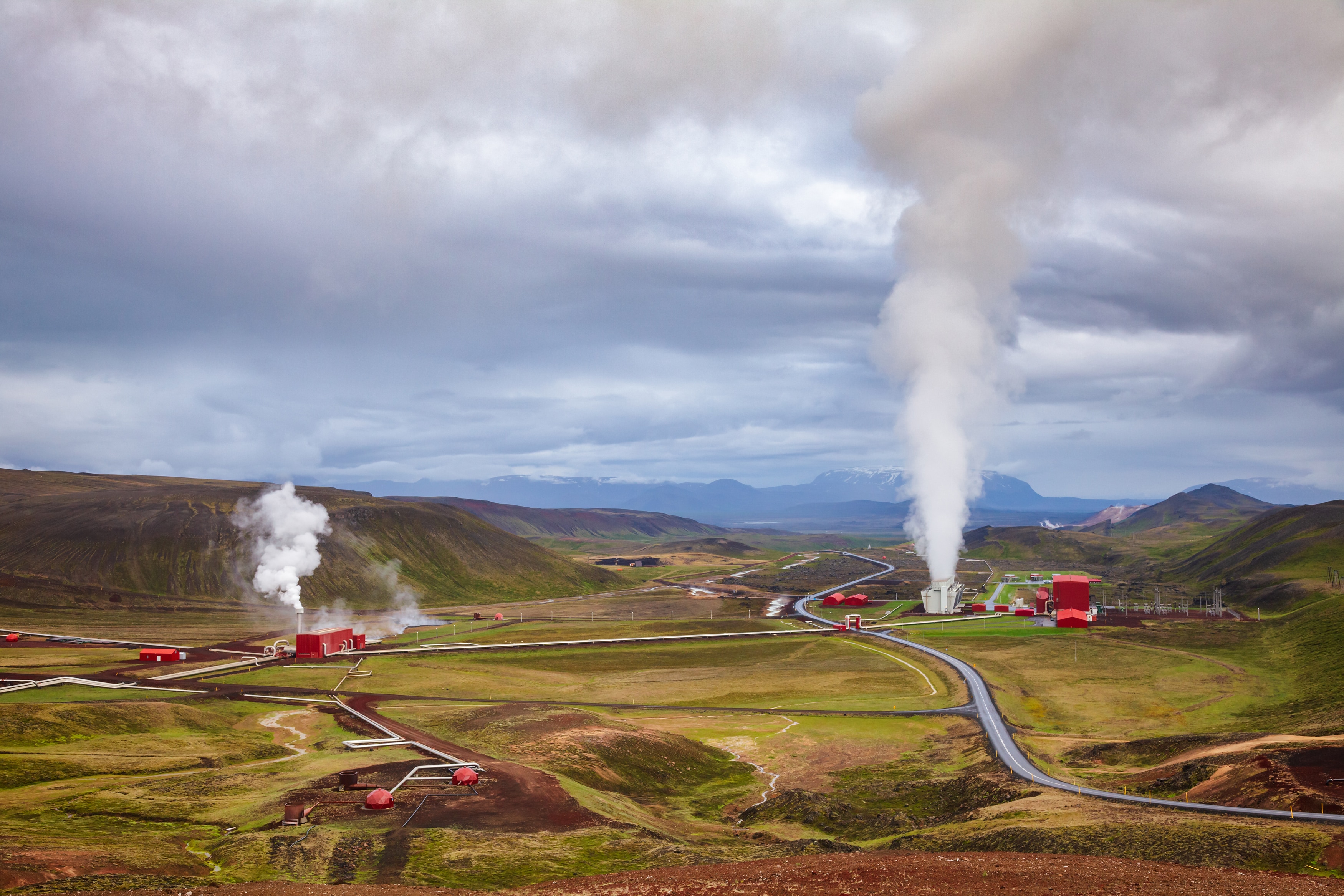
Hey there, earth enthusiasts! Ever wonder about the power bubbling beneath our feet? I'm talking about geothermal energy – that awesome, naturally occurring heat from the Earth's core. We're always hearing about solar and wind, but what about this underground superhero? Is it the clean energy answer we've been waiting for, or are there some hidden downsides? Let's dive in and explore the environmental impacts of geothermal energy, shall we?
The Good Vibes: Geothermal's Eco-Friendly Perks
Okay, let's start with the exciting stuff! Geothermal energy gets a massive thumbs-up for being a renewable resource. Think of it like this: solar energy is like harvesting the sun's rays every day, and geothermal is like tapping into the Earth's giant, slowly cooling oven. That oven won't run out anytime soon!
And get this: geothermal power plants have a significantly smaller footprint than, say, coal plants or even sprawling solar farms. We’re talking less land disturbance. This is a big win for preserving natural habitats and ecosystems, right?
Must Read
Unlike solar and wind, geothermal isn’t dependent on the weather. Rain or shine, day or night, that heat is there, providing a constant and reliable source of energy. No more worrying about cloudy days dimming our lights!
The Not-So-Good Vibes: Addressing the Downsides
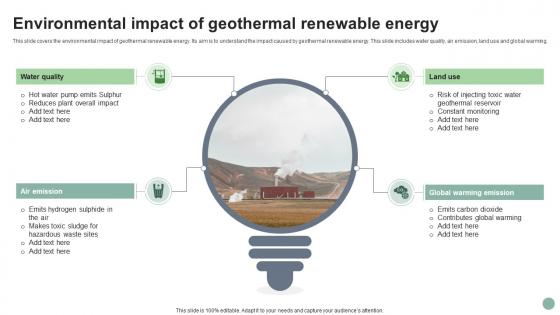
Alright, time for the honest talk. No energy source is perfect, and geothermal has a few environmental impacts that we need to consider. It's kind of like that delicious chocolate cake – amazing in moderation, but too much can lead to a sugar crash!

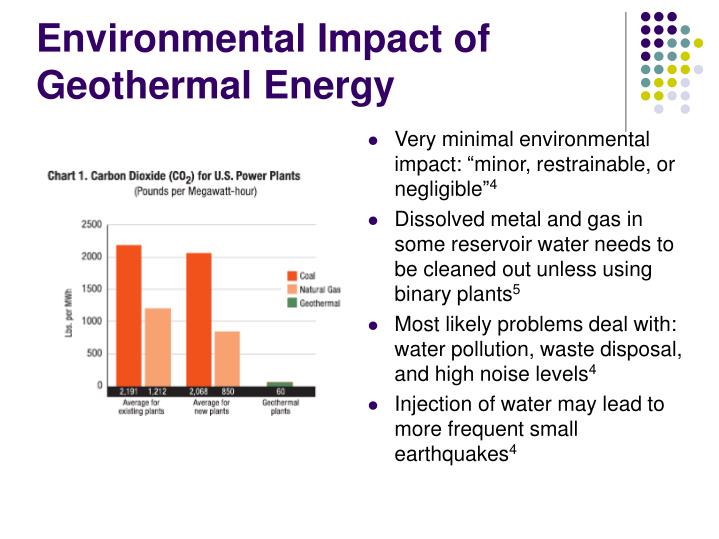
One concern is the release of greenhouse gases. Now, before you panic, it’s important to note that geothermal plants generally release far fewer greenhouse gases than fossil fuel plants. However, geothermal reservoirs can contain dissolved gases like carbon dioxide and hydrogen sulfide, which can be released during energy production. Is it a zero-emission solution? Not quite, but it's still a massive improvement over traditional energy sources.
Then there’s the issue of land disturbance. While geothermal plants have a smaller footprint than many other energy facilities, drilling and construction can still disrupt local ecosystems. Think of it like building a new house – there's always some disruption involved, even with the best intentions.
Another thing to think about is water usage. Some geothermal power plants require water to operate, which can strain local water resources, especially in arid or semi-arid regions. It's like having a thirsty friend – you gotta make sure there's enough water to go around!
Induced Seismicity: A Little Shaky?
This one sounds scary, but let's break it down. In some cases, geothermal operations can be linked to induced seismicity, which basically means causing small earthquakes. This usually happens when injecting fluids back into the ground to maintain reservoir pressure. The good news is that these earthquakes are typically very small and rarely cause any damage. It's more like a little wobble than a full-blown earthquake. But scientists are studying this carefully to minimize any potential risks. Think of it as learning how to dance gently with the Earth, so we don't step on its toes!

The Big Picture: Is Geothermal Worth It?
So, after weighing the pros and cons, what’s the verdict? Is geothermal energy a win for the environment? The answer, like most things, is complex. But overall, geothermal is a cleaner and more sustainable energy source than fossil fuels. It’s like choosing a salad over a greasy burger – it might not be perfect, but it's definitely a healthier option.
The key is to develop geothermal resources responsibly, using best practices to minimize environmental impacts. We need to carefully monitor greenhouse gas emissions, manage water usage sustainably, and continue researching ways to reduce the risk of induced seismicity. If we do that, geothermal energy can play a crucial role in our transition to a cleaner energy future. Isn't that something to be excited about?
Ultimately, geothermal energy is a fascinating and promising resource. Like any technology, it has its challenges, but with careful planning and innovation, we can harness the Earth's natural heat to power our lives in a sustainable way. Now, isn't that cool?