
What Are The Environmental Impacts Of Biomass Energy
Hey there, eco-enthusiasts! Ever wondered about biomass energy? You know, that stuff we hear about that's supposed to be better for the planet? Well, let's dive in and see what's really going on – the good, the maybe-not-so-good, and how we can all be a part of making it even better! Think of it as unlocking a secret level in the game of sustainability. Cool, right?
What is Biomass Anyway?
Okay, first things first. What is biomass? Simply put, it's organic matter that stores sunlight in the form of chemical energy. Think of trees, crops, and even your banana peels (seriously!). We can burn this stuff, or convert it into other forms of fuel like biofuels. Essentially, it's turning nature's leftovers into power!
Wood and wood processing wastes, agricultural crops and their waste byproducts, and even the organic component of municipal solid waste are all part of this mix. Pretty neat, huh? Now, onto the juicy part: how does all this affect the environment?
Must Read
The Bright Side: Renewable and (Potentially) Carbon Neutral
Alright, let’s start with the good news! Biomass is considered a renewable energy source. Why? Because we can regrow trees, plant more crops, and…well, we'll always have banana peels, right? As long as we manage these resources responsibly, we won't run out.
And here's a big one: the idea behind biomass is that it’s carbon neutral. This means that the carbon dioxide (CO2) released when biomass is burned is equal to the CO2 that the plants absorbed while they were growing. In theory, there's no net increase of CO2 in the atmosphere. Boom! Take that, climate change!
But Wait, There's a Catch (Or Two!)
Now, before you start celebrating with a bonfire of old newspapers (don't actually do that!), let's talk about the potential downsides. Nothing is ever perfect, is it? (Except maybe pizza. But even then…) Here are some things to keep in mind:
Deforestation
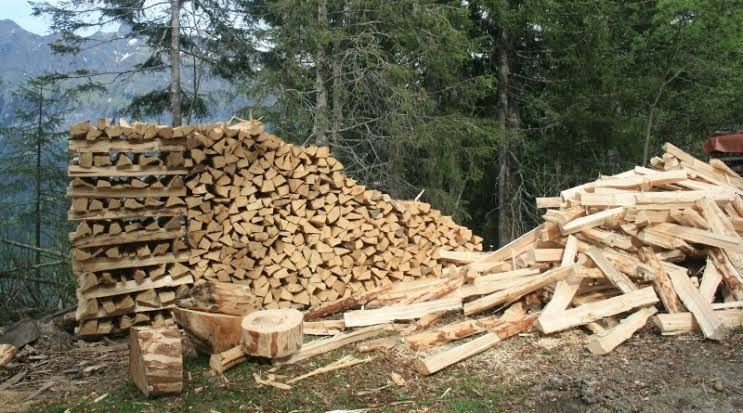
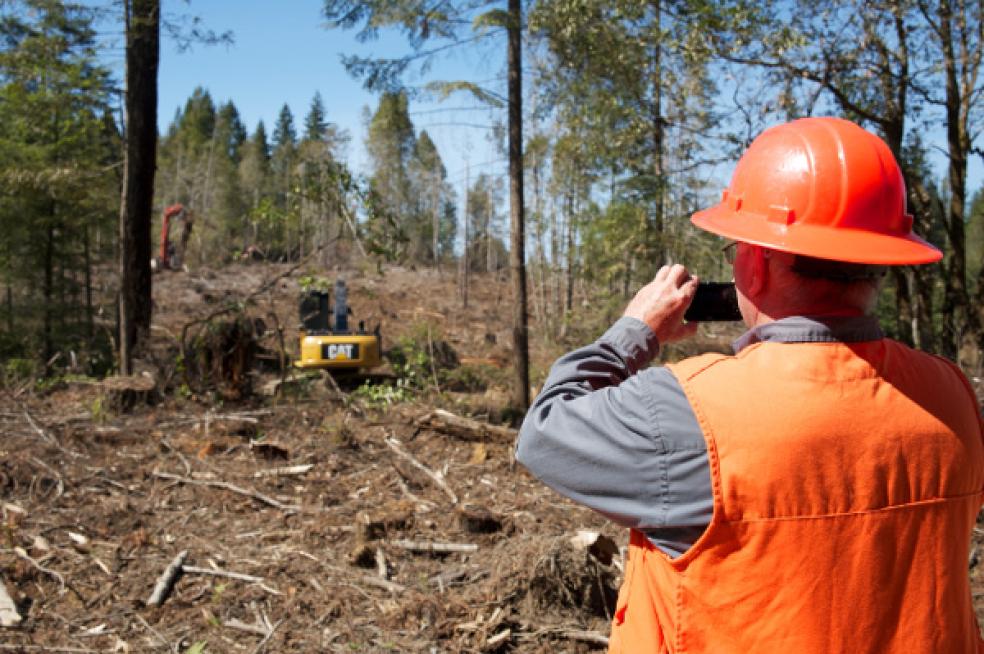
Imagine chopping down forests faster than they can regrow. Not ideal, right? If we're not careful, biomass energy could lead to deforestation, which releases stored carbon and destroys habitats. That's why sustainable forestry practices are so crucial.
Air Pollution
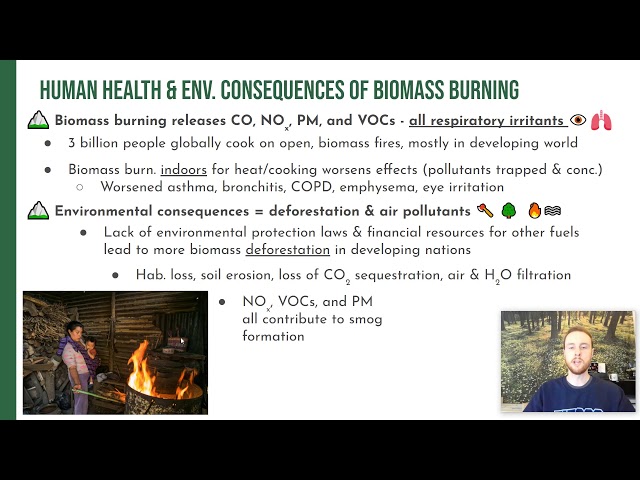
Burning biomass can release pollutants into the air, like particulate matter and nitrogen oxides. These can contribute to smog and respiratory problems. Yikes! But here's the good news: advancements in technology are helping to make biomass combustion cleaner. Think of it like upgrading your car to a more fuel-efficient model.
Land Use
Growing crops for biomass energy can take up land that could be used for growing food. This could potentially lead to food shortages and higher food prices. It’s a balancing act – we need to consider how much land we dedicate to energy crops versus food crops.
So, What Can We Do?
Don't get discouraged! The key is to make smart choices and support sustainable practices. Here are a few ideas:
Support sustainable forestry: Look for wood products that are certified by organizations like the Forest Stewardship Council (FSC). That means the wood was harvested responsibly.
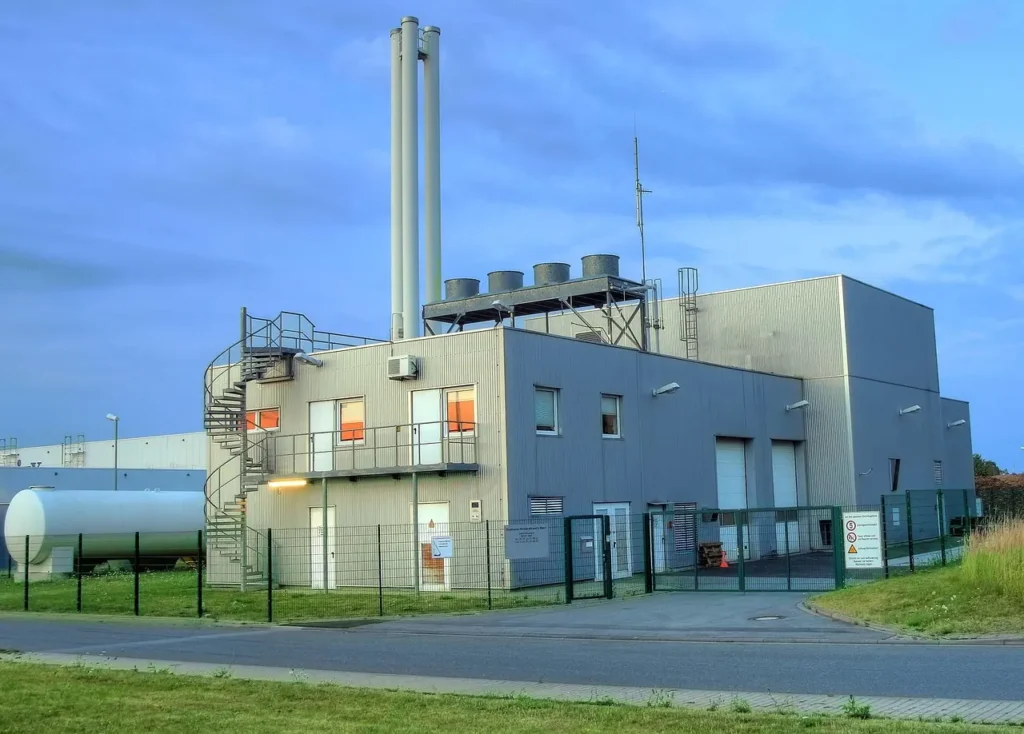
*Promote efficient biomass technologies: Encourage the development and use of cleaner-burning biomass systems. Think advanced biofuels and combined heat and power (CHP) systems.
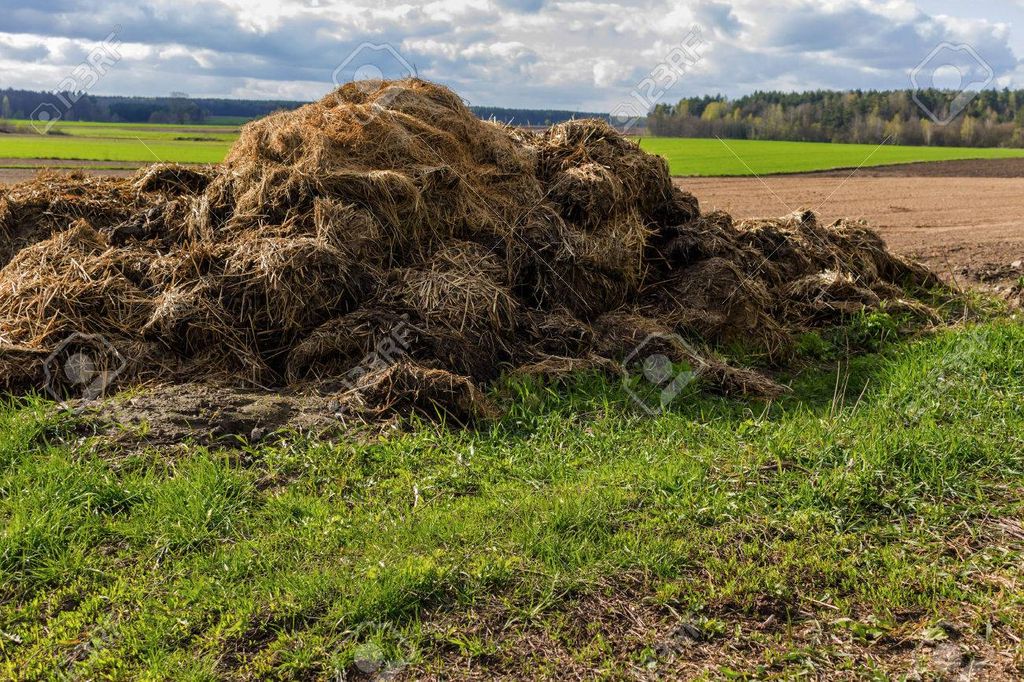
*Reduce waste: Before you throw away yard waste or food scraps, think about composting or other ways to reuse them. These materials can potentially be used for biomass energy!
Be informed: The more you know, the better decisions you can make. Read up on biomass energy and other renewable energy sources. Knowledge is power! Seriously!
The Future is Bright (and Green!)
Biomass energy isn't a silver bullet, but it can be a valuable tool in our fight against climate change. By being mindful of the potential impacts and supporting sustainable practices, we can harness the power of biomass to create a cleaner, healthier planet. And that's something to get excited about!
So, what are you waiting for? Dive deeper into the world of renewable energy! There's so much to learn, and every little bit helps. Let's make the future awesome, one sustainable choice at a time!