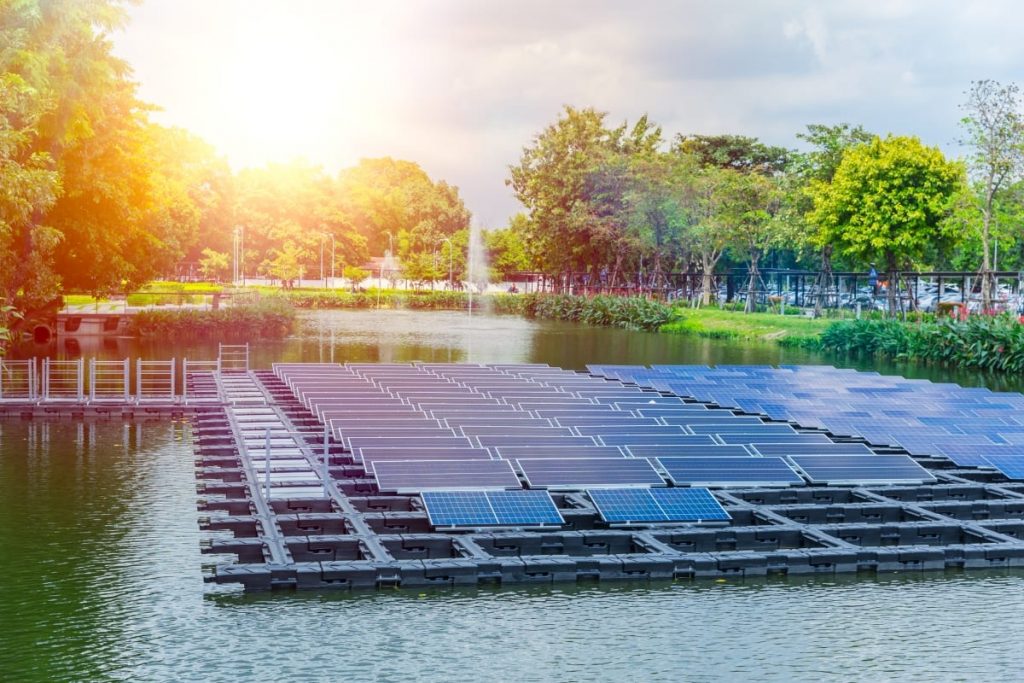
What Are The Environmental Effects Of Solar Energy
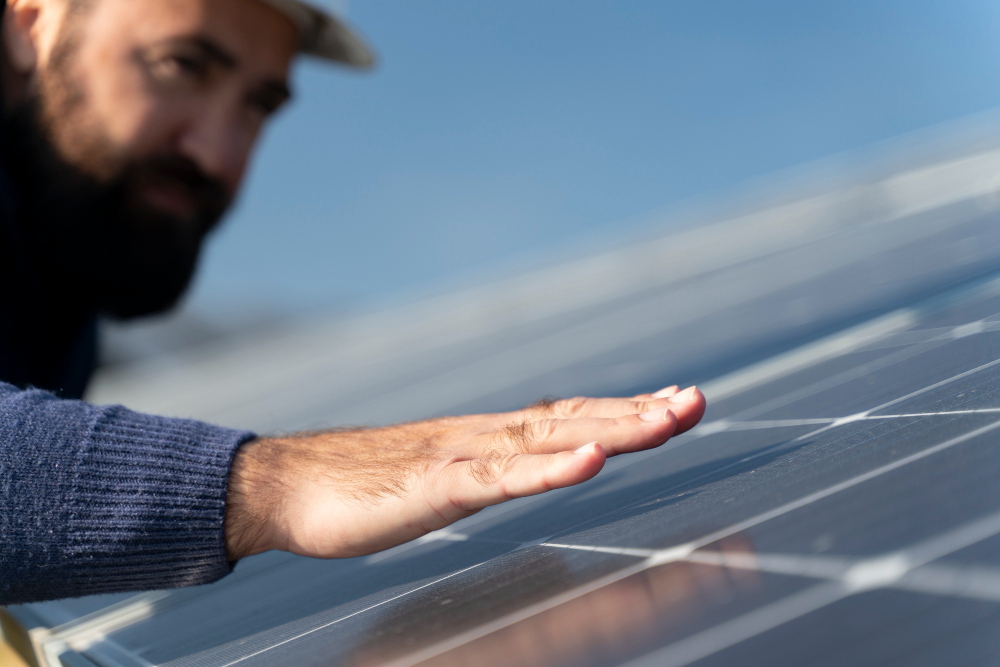
Okay, let's talk sunshine – not the beach vacation kind, but the kind powering your neighbor's roof. Solar energy is all the rage, and rightfully so. But before you jump on the bandwagon (which, by the way, could totally be an electric VW bus powered by solar), let's peek behind the curtain. What's the environmental footprint of going solar? Is it all rainbows and zero emissions?
The Good Stuff: Less Pollution, More Power
Let’s start with the obvious win: reduced greenhouse gas emissions. Think of it this way: every kilowatt-hour (kWh) of electricity generated by the sun is one less kWh produced by burning fossil fuels. That’s like swapping your gas-guzzling SUV for a bicycle – a very powerful bicycle that can power your entire home. Burning fewer fossil fuels means less air pollution, fewer respiratory problems, and a happier planet. Plus, solar power helps to combat climate change by reducing our reliance on carbon-intensive energy sources.
Solar energy also means less water consumption. Traditional power plants, especially coal and nuclear, use massive amounts of water for cooling. Solar, on the other hand, generally requires very little water to operate. Think of it as choosing a succulent garden over a water-guzzling lawn. You're saving water and looking effortlessly chic!
Must Read
Practical Tip: Check out your local utility's website. Many offer rebates and incentives for switching to solar, making it an even greener (and cheaper!) choice.
The Not-So-Good Stuff: Production and Land Use
Alright, time for the reality check. Manufacturing solar panels does have an environmental impact. It involves extracting raw materials like silicon and using energy in the production process. This creates some pollution and greenhouse gas emissions. However, lifecycle assessments consistently show that the environmental benefits of solar energy far outweigh the impacts of its production. It’s like baking a cake – you need eggs and flour (the production process), but the delicious result (clean energy) is worth it!

Land use is another consideration. Solar farms, especially large-scale ones, require significant land areas. This can potentially impact wildlife habitats and ecosystems. However, there are ways to mitigate these impacts, such as carefully selecting locations and implementing land management practices. Plus, a lot of solar farms can coexist with agriculture, like grazing sheep or growing pollinator-friendly plants. Talk about a win-win!
Fun Fact: Did you know that some solar farms are built on brownfields (previously contaminated sites)? It's like giving these forgotten areas a second chance at life, transforming them into clean energy generators!
Recycling and the Circular Economy
What happens to solar panels when they reach the end of their lifespan (typically 25-30 years)? This is a valid question! While the solar panel recycling industry is still developing, it's gaining momentum. Scientists and engineers are working on innovative ways to recover valuable materials from old panels and reuse them in new products. The goal is to create a truly circular economy for solar energy, minimizing waste and maximizing resource efficiency. It's all about keeping those panels out of landfills and back in the sunshine!
Cultural Reference: Remember WALL-E? Let's learn from his mistakes and embrace recycling, not just for solar panels, but for everything!
Practical Tip: When choosing a solar installer, ask about their recycling policies and whether they partner with companies that specialize in solar panel recycling.
![Environmental Impact of Solar Energy [Positive/Negative]](https://www.electricrate.com/wp-content/uploads/2021/09/solar-panels-and-the-environment.jpg)
The Big Picture: A Brighter Future
Overall, solar energy is a powerful tool for creating a more sustainable future. While it's not perfect, it offers significant environmental advantages over fossil fuels. By embracing solar, we can reduce pollution, combat climate change, and create a cleaner, healthier planet for ourselves and future generations.
Bold choices like investing in renewable energy can have a significant and positive impact on the environment. So, next time you see a solar panel, remember it's not just a piece of technology; it's a step towards a brighter, cleaner future.
Reflection: Think about your own energy consumption. What small changes can you make to reduce your environmental footprint? Maybe it's switching to LED lightbulbs, unplugging electronics when you're not using them, or even just turning off the lights when you leave a room. Every little bit helps, and together, we can make a big difference.